STACEY COLBERT
COLD OPEN:
It’s late March of 1998.
That in-between stretch of the year, when winter is finally loosening its grip, but spring hasn’t fully arrived. People are back at work, settling into their routine after the weekend.
In Columbus, Ohio, a 23-year-old woman is supposed to be at her desk. She’s reliable, organized, the kind of person who arrives early. She’s consistent. She doesn’t change plans without saying something first. But on Monday morning, she didn't show up for work.
At first, it feels small – an off day, a missed shift. Then another day passes. A phone call is made. And in a matter of seconds, everything shifts. A sister realizes something is wrong – not inconvenient or accidental – really wrong. A broken routine turns into concern.
The quiet apartment begins to feel like a crime scene frozen in time. Cabinet doors stand open. Milk is left out on the counter. A pizza box sits where it shouldn’t. There’s a faint smell of bleach in the air. And the person who lives there is gone.
For Danielle Colbert, March 24, 1998 becomes a dividing line – life before that call, and everything after it. In the years that follow, that ordinary weekend will be dissected in painstaking detail. Every hour accounted for. Every detail reconsidered.
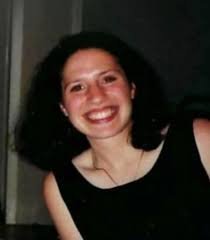
Since 1998, Danielle has been trying to figure out – what happened to Stacey Colbert (cole-burt).
I’m Madison McGhee, and this is Frozen Files.
CHAPTER 1: Unanswered Calls
On March 24, 1998, Danielle Colbert received a call from her sister Stacey’s employer, American Electric Power – AEP. Stacey hadn’t shown up for work in days. No call, no explanation, no request for time off.
For Danielle, this was completely out of character for Stacey. It felt wrong.
Stacey was known for being dependable. She built her life around responsibility. She followed through and never left loose ends. If she was going to be late – someone would know. If she was going to miss work – there had to be a reason.
Danielle’s mind went back to the night before Stacey’s first missed shift. She had been home watching the Oscars. That year, Titanic was nominated for 14 awards. Danielle had recently taken Stacey to see it for her birthday, and the two o f them shared a crush on Leonardo DiCaprio. They were invested. They were both excited to see how many awards the movie won. Texting was not mainstream in 1998, so they had to call each other to react in real time.
Throughout the night, Danielle and their mom called Stacey multiple times, leaving voicemails with each major win because Stacey… never answered. At the time, her silence didn’t feel urgent. Stacey sometimes traveled for work. She had an active social life. A missed call wasn’t unusual.
But that call from AEP reframed everything.
Suddenly, those unanswered calls weren’t normal. They felt like the last attempts to reach her. They became timestamps — markers of the last known moments anyone tried to reach her.

CHAPTER 2: The State of the Apartment
Danielle immediately called her parents. She didn’t need to debate it. Something wasn’t right. Speaking to The Lantern, she said, “My life is really before that call and after that call.”
Danielle lived about two miles from Stacey. So she drove straight to her apartment. What she saw there, turned this fever dream into a complete nightmare. Stacey’s car was still parked outside. Her apartment door was slightly opened. Inside, the scene felt suspended – as if something had interrupted the middle of an ordinary moment. It looked like she had walked away mid-task and never returned. The refrigerator door was open. Kitchen cabinets hung wide. A milk carton and a pizza box sat on the island. The air smelled strongly of bleach. But Stacey was nowhere to be found.
Danielle didn’t wait for certainty. She immediately called 9-1-1.
Later, she described what took over in that moment: “I think I went into shock. I wasn’t thinking of my feelings. I started thinking ‘ok, what do I need to do’. What will give us the best chance of finding her?”
From that point forward, this was no longer about Stacey missing work. Whatever had happened started days earlier, which means they were already behind.
CHAPTER 3: Who Stacey Was
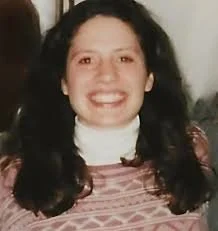
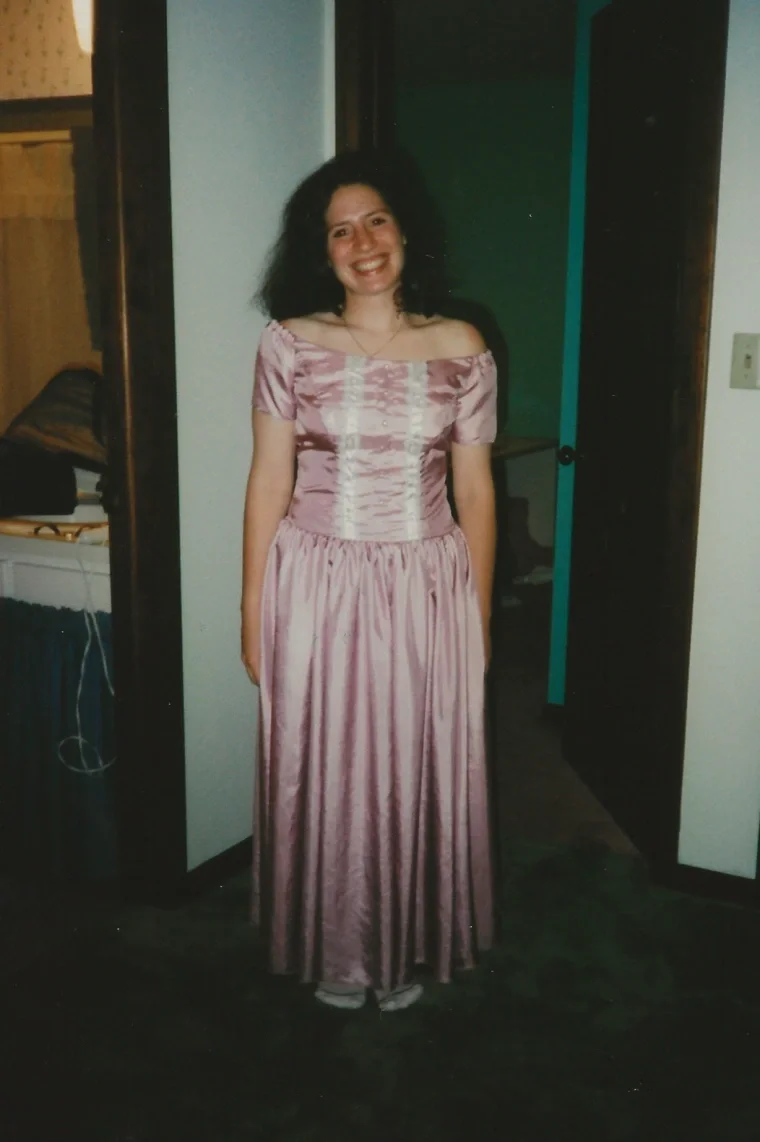
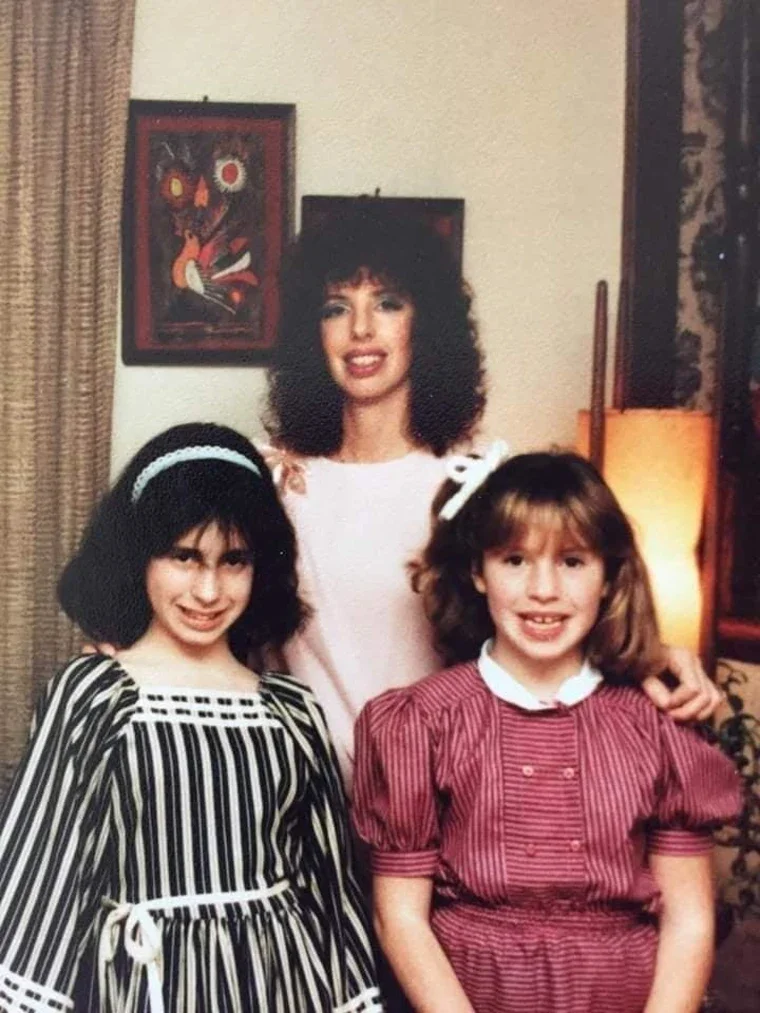
Born on February 3, 1975, Stacey Colbert grew up in Charleston, Illinois – about 3 hours south of Chicago – surrounded by a tight-knit family. Her parents Ronna and Lawrence raised her and her older sister, Danielle, who we worked with on this episode.
Danielle and Stacey were only two and a half years apart and were very close. Like most sisters, they argued. They annoyed each other. But there was a steadiness to their bond – the kind that comes from growing up side by side and experiencing the highs and lows of every phase of life together.
Danielle remembers Stacey had a bit of a mischievous streak. When they were little, she snuck into Danielle’s room and flipped over every single stuffed animal – just to see how long it would take her to notice. She loved hiding behind doorways and jumping out to give her sister a quick scare. Never mean, always laughing. Danielle says she feels lucky to have had that kind of relationship with her sister. Their upbringing was playful, light, full of inside jokes.
Stacey was naturally upbeat. Even as a kid, she carried herself with a kind of confidence. She had a sense of style and a way of making ordinary moments feel bigger – more fun, more memorable. With that kind of magnetic personality, it’s not surprising that she had a lot of friends.
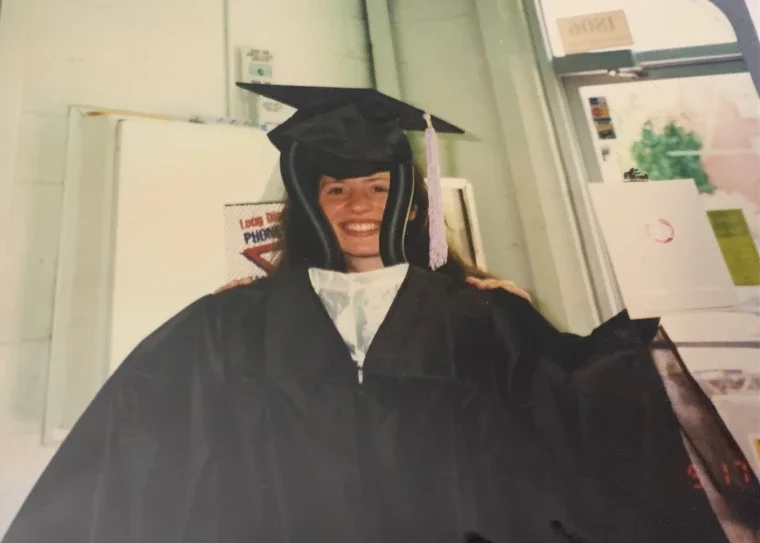
Stacey was endlessly creative. Once, she and the neighborhood kids staged their own “graduation ceremony” on the front lawn, proudly wearing trash bags as makeshift gowns. That mix of humor and ambition stayed with her as she grew up.
Stacey had a go-getter attitude. She would set goals, make a plan, and follow through – determined to accomplish whatever she set her mind to.
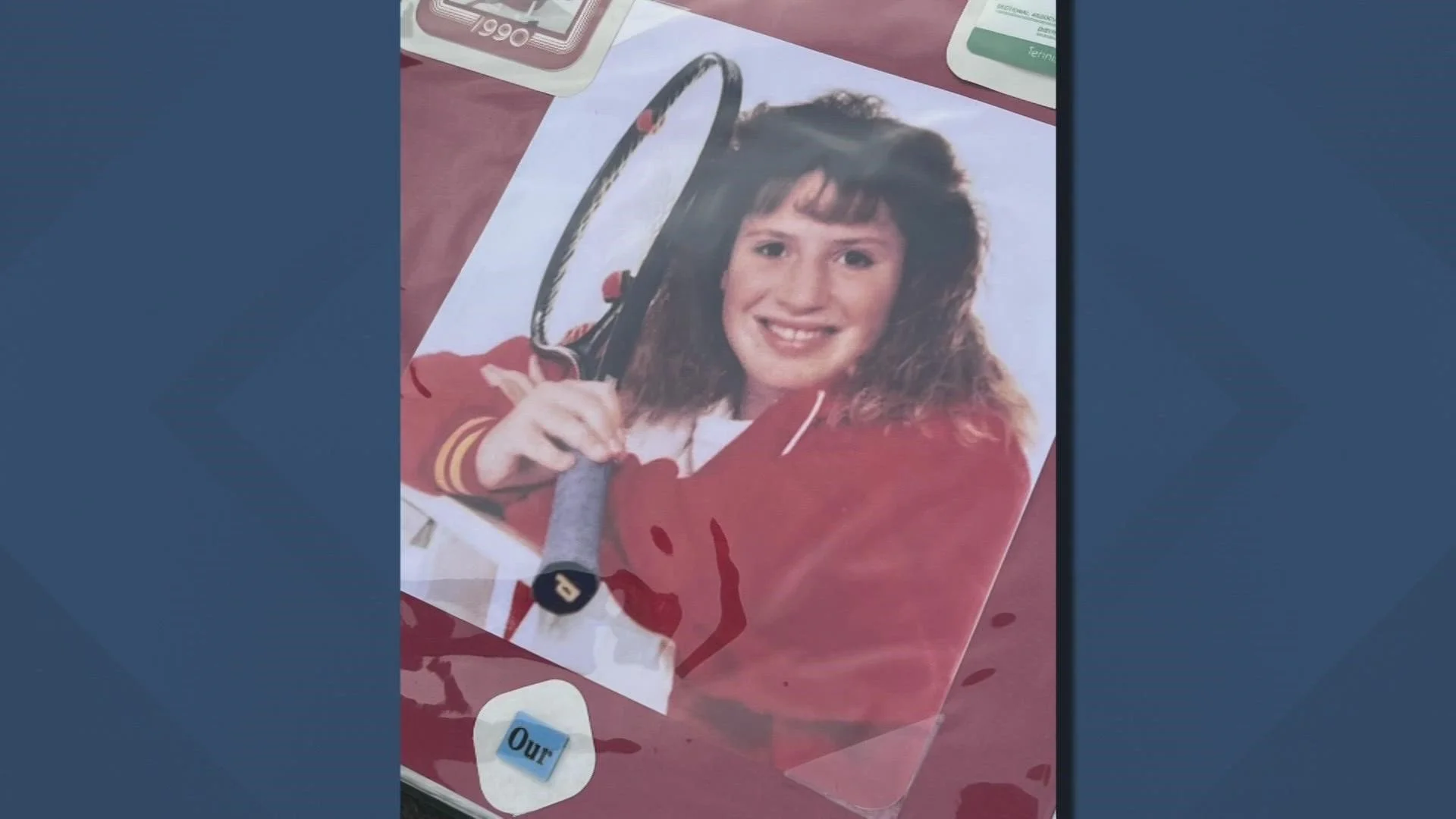
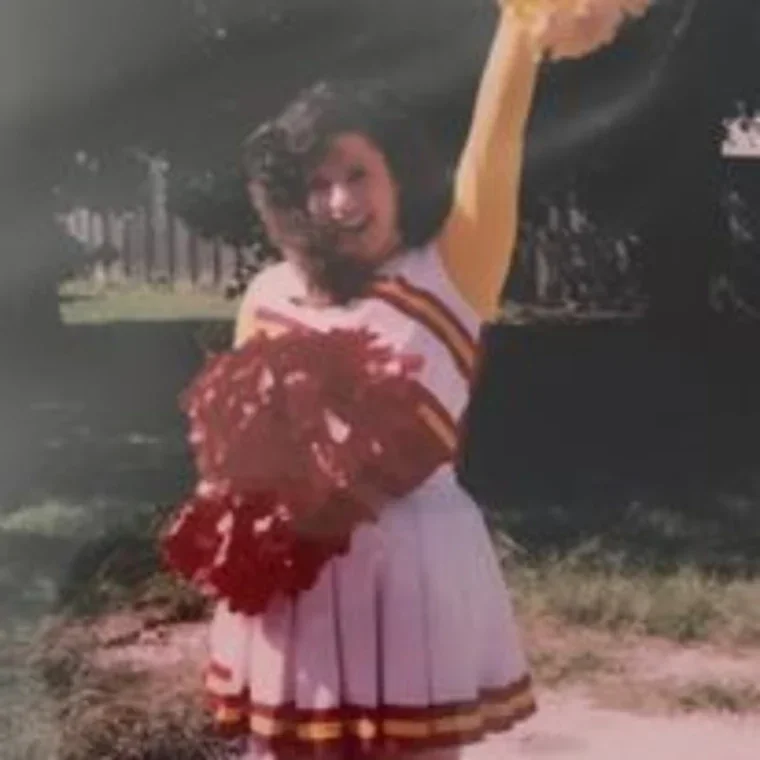
At Charleston High School, she balanced academics with just about everything else. She was a strong student but she also played varsity tennis, was on the cheerleading squad, drill team, chorus, and in the school musicals. She didn’t sit on the sidelines of her own life.

CHAPTER 4: Building a Life
After high school, Stacey enrolled at Ohio State University, where she majored in marketing. Attending OSU was a family tradition – her dad and uncle had both gone there and when Stacey enrolled, Danielle, was already a student there.
For the first time, the sisters were navigating early adulthood together – meeting for coffee in between classes, adjusting to independence. It marked a new chapter in their relationship.
At OSU, Stacey pledged Alpha Delta Pi and found a strong sense of community. The friendships formed there didn’t end at graduation. That’s where she met one of her best friends, Paula, who we also worked with on this episode. The two connected at a party and bonded over music. They both loved the song ‘All I Wanna Do’ by Sheryl Crow. It was one of those small, ordinary conversations that quietly turns into a lifelong friendship – like when you compliment a girl in the bathroom line and a decade later, she’s a bridesmaid in your wedding.
College life was full. They loved to hang out at dance clubs like Maxwells and Victories. They spent many nights at the piano bar, Howl at the Moon, staying from open to close and hearing the same songs on repeat.
Stacey absolutely loved to dance, especially to cheesy ‘80s hits. One friend laughingly said, "She was probably the most into dancing of anybody that I've had in my life.”
Her sorority sisters described Stacey as pure of heart and trusting. She was kind, thoughtful, and fiercely loyal. If someone was feeling down, she would do anything to lift their spirits. If there was something to celebrate, she made it bigger.
Ambition ran just as strong as the social side. She was a “powerhouse” in everything she did. She took her studies seriously, and chased every opportunity Before graduation, she was selected for a highly coveted internship with McDonalds at the 1996 Summer Olympics in Atlanta – a major step toward the career she was building.
A year later, Stacey graduated from OSU. She then landed her job at American Electric Power as a marketing analyst. She loved her job. She was committed to it – sometimes arriving as early as 5:30 or 6:00 in the morning to get a head start on her day. She enjoyed her coworkers and was especially excited about an upcoming research project that would require travel. Her career was gaining momentum.
During this time, her relationship with Danielle was evolving. They met for dinners. They talked often. They weren’t just sisters. They were friends.
CHAPTER 5: Her Last Weekend
In the fall of 1997, Stacey moved from her studio apartment to a new complex in Columbus called Governors Square. Around the same time, she adopted a kitten named Boots – a small addition to a life that was expanding. She was also dating someone who she really cared about. Things were becoming more serious and they were starting to have conversations about their future together.
Stacey’s life was moving forward and moving fast. Her career was gaining traction. Her relationships were strong. Her circle was solid. Her sister Danielle recalls, “She had a plan, she was following it, things were falling into place for her.”
On the night of Friday, March 20, 1998, Stacey went out with friends from work. They grabbed dinner and drinks at a local bar. A coworker drove her back home at the end of the night. The following day- – Saturday, March 21 – Stacey decided to stay in. She spoke on the phone with Danielle. She talked to her dad. She briefly checked in with a coworker who also lived in the complex. Nothing about it felt unusual.
Two days later, on Monday, March 23, Danielle and their mom called Stacey multiple times while watching the Oscars. No answer. At the time, they had no reason to assume anything was wrong. They had no way of knowing that something already was.
CHAPTER 6: Day One
On March 24, 1998, Danielle Colbert called 9-1-1 from her sister's apartment. Her voice was urgent. She told the dispatcher her sister was missing and it was obvious to her that something was wrong. Columbus Police arrived quickly. It was immediately clear to them that Stacey had not left her apartment willingly.
Initially, Columbus’s Sexual Abuse Squad responded to the scene. But as the circumstances became clearer, the case was transferred to the Homicide Unit. This wasn’t treated as a routine missing persons report. Detectives were involved from the outset. So was the FBI.
Friends and family would later commend the Columbus Police Department for that decision. From day one, the case was handled with urgency – something that, unfortunately, is not always the norm.
The reality is, oftentimes when a family is navigating the disappearance of a loved one that sense of care and concern from law enforcement is rare. Loved ones are told to wait, to give it 24 hours, to assume they have left on their accord. As if an adult has the right to disappear. That delay can cost critical time.
When law enforcement treats a case as serious from the start – when they secure a scene, bring in homicide detectives, loop in federal resources – it sends a message to the family. It says: We believe you and we want to help you.
It doesn’t guarantee answers. But it changes the trajectory. It preserves evidence. It acknowledges that something isn’t “probably fine.” And that matters – to families and investigations.
While still inside Stacey’s apartment, Danielle found her sister’s phone book. She began calling every name inside it – one by one – asking when they had last spoken to Stacey. Most people were kind, concerned, and willing to help.
But one reaction stood out. A male friend of Stacey’s refused to take Danielle’s calls. His roommates answered instead. They asked why she kept calling. Eventually, they told her to stop bothering him.
Danielle remembered that he had recently helped Stacey move into her new apartment. That is a favor usually reserved for close friends. So why wouldn’t he speak to her now – when his friend could be in danger?
His refusal to engage, his lack of concern, his denial to offer any information felt like a bad sign.

CHAPTER 7: Inside the Scene
As Danielle worked her way through Stacey’s phone book and contacted everyone she knew, detectives began processing the apartment. There were no signs of forced entry. But investigators noticed handprints on the floor and a large bootprint on the inside of the apartment door. The scene suggested clear signs of a struggle.
Police removed a large piece of carpeting from her apartment to preserve as evidence, though they have never publicly disclosed what prompted that decision. Stacey’s purse was found inside the apartment. It contained $40 in cash and multiple uncashed checks. A robbery was ruled out early into the investigation.
Investigators also located a pizza receipt time-stamped Saturday, March 21, at 5:58 p.m. They tracked down the delivery driver and interviewed him. He reported nothing unusual and was quickly cleared. The receipt was still helpful. It established one of the last confirmed timestamps in Stacey’s timeline.
As officers canvassed the complex, one neighbor – who lived directly above Stacey – told police that around 4 a.m. on March 22, he was awakened by what he described as “horrible screams” and banging. He said it sounded like someone was in distress, but he did not call the police.
The next afternoon, he went downstairs to check on her. He found Stacey’s apartment door open. He knocked. No response. He noticed Boots, Stacey’s cat, wandering outside. He placed the cat back inside and gently closed the door – though not all the way. When asked why he hadn’t contacted authorities sooner, the neighbor said he was worried about outstanding tickets or minor offenses that might bring unwanted attention. For Stacey’s loved ones, that explanation has been impossible to accept. Had a call to 9-1-1 been made at 4 a.m., this case might look very different today.
Other neighbors reported seeing people at Stacey’s door in the hours before she disappeared. Detectives lifted fingerprints from the door, hoping to determine who had been there. Though in 1998, forensic technology was far more limited than it is now, restricting what investigators could conclusively identify.
Despite those limitations, one Columbus homicide detective told reporters they had strong reason to believe Stacey knew the person who came to her door.
Police conducted an exhaustive, multi-day search of the surrounding area. Still, there was no sign of Stacey.
CHAPTER 8: On the Lookout
On Friday, March 27, detectives held a press conference announcing Stacey’s disappearance. They emphasized what everyone close to her already knew – she was reliable. She would not miss work or go silent for days without reason. But investigators also acknowledged something unsettling: they could not identify anyone she was in conflict with. No known enemies. No obvious disputes. No clear motive.
The absence of one raised a question: Who would do this to Stacey?
After the press conference, a vigil was held on the Ohio State University campus. Thousands gathered – students, friends, members of the community – standing together in support of Stacey’s family and praying for her safe return. Danielle said the support from Columbus was overwhelming.
While detectives continued their work, Stacey’s family and friends mobilized. They made calls, followed up on tips, and pushed for answers.
Her employer, AEP, printed thousands of missing person flyers and offered a $10,000 reward for information leading to an arrest. Stacey’s grandparents matched it with another $10,000. The entire family was doing everything within their power to bring her home.
Stacey’s sorority sisters organized just as quickly. The Alpha Delta Pi house became the headquarters for the search efforts. Charts and timelines covered the tables. They coordinated with volunteers, oversaw community outreach, and planned vigils.
They operated like a team on a mission, because that is exactly what they were.
By April, Stacey was still missing. Police maintained they were working the case quote all day, every day. But as winter gave way to spring, the early surge of tips began to taper off. Promising leads fizzled out. Each new call seemed to circle back to the same unanswered questions. And time kept moving forward.
CHAPTER 9: A Loose Lead
In July 1998, the Columbus Police announced that they were exploring a possible connection between Stacey’s disappearance and a serial rapist named Alvin Graham.
Graham had recently pleaded guilty to charges of rape, attempted rape, and aggravated robbery involving two women in Ohio. During one of those assaults, a victim reported that Graham referenced Stacey’s case. Allegedly, he said, “You know that missing sorority girl in Columbus? She’s not so missing.”
The comment was enough to draw investigators’ attention.
Graham had lived in Columbus in 1996 and still had family in the area. Detectives moved to compare his DNA against evidence collected in Stacey’s case. Ultimately, the lead went nowhere. Graham passed a polygraph. No connection between him and Stacey could be established. Authorities were unable to establish any connection between Graham and Stacey. Once again, momentum slowed.
This is something families learn quickly. Every lead feels like oxygen – even when it’s frightening or when it’s tied to someone capable of violence. There’s still a part of you that hopes that closure is close. A person of interest means movement is happening.
But when those leads collapse, it’s disorienting. You brace yourself for answers and clarity. And instead, you’re handed another dead end. When a case stalls after a brief moment of hope, it doesn’t go back to where it was, it slips further into uncertainty.
CHAPTER 10: Years Without Answers
It would be six years before any new information surfaced. Danielle described those years as “soul-shattering.” While the world kept moving – seasons changing, headlines shifting, people reaching life milestones – Stacey’s family remained suspended. Grieving someone who is gone, yet never given the certainty to lay that grief to rest.
In 1999, a year after Stacey disappeared, her father Larry told the Associated Press that he believed Stacey was no longer alive. He described the weight of that realization: “Sometimes you can put it away for a day at a time. But I could be driving, talking, walking, doing nothing – watching a TV commercial – and it just washes over you.”
In the years that followed, Danielle and her family continued giving interviews, determined to keep Stacey’s story in the public eye. At the same time, Danielle said she became hyper-aware of everything around her. She constantly watched the news and listened for reports of remains being discovered. Each time, her body reacted before her mind could – a wave of nausea, a surge of fear. She couldn’t help but think: Is this the call? This time, it might be Stacey.
Danielle struggled to eat. She couldn’t sleep. She avoided leaving the house after dark. She described it as pure torture – existing in limbo, desperate for resolution but powerless to create it.
In 2003, five years after Stacey vanished, her family made a decision no one ever wants to make. They held a memorial service. There were no new developments. No discoveries. But they hoped it might offer some measure of steadiness – something to anchor the grief, some small sense of peace.
Around that same time, they made the painful choice to have Stacey legally declared deceased. Unfortunately, this decision was forced by logistics. Grief doesn’t pause for paperwork, and creditors don’t wait for certainty. Danielle said that trying to manage Stacey’s affairs while she was technically still listed as missing was overwhelming. Again and again, she had to explain that her sister was gone – without ever knowing if that was the right word.
As devastating as it was, having Stacey legally declared deceased finally allowed the family to settle her finances and bring some order to the chaos.
But it did not bring resolution. Stacey’s family had done the unthinkable – held a memorial without a body, said goodbye without proof. They tried to create closure, but closure cannot be manufactured.
CHAPTER 11: Six Years Later
On November 27, 2004 – more than six years after Stacey disappeared – two hunters discovered human remains in Delaware County, Ohio.
The men were searching for their lost dog in a wooded area near the Scioto (sigh-oh-ta) River, along State Route 257 North. As they moved through the brush, they noticed something beneath the leaves – human remains.
Danielle was driving to work when she heard the report on the radio. At first, authorities suggested the body belonged to a woman in her 40s. But Danielle said that when she heard the announcement, the hairs on the back of her neck stood up. She knew.
The entire drive to work, she prayed there wouldn’t be a message waiting for her. She didn’t want to learn the news through a voicemail. She wanted to hear it face to face – for someone to look her in the eye and tell her they had found her sister. When she got to her desk, there it was. The police had called.
They found Stacey.
They apologized for leaving the voicemail, but they wanted Danielle to know immediately – in case the information leaked to the media. Danielle said listening to that voicemail was one of the two worst moments of her life. The other was the call on March 24, 1998 from AEP saying Stacey hadn’t shown up for work. Now, she had to make another call. She had to tell her parents.
Eventually, the family learned that Stacey’s remains were located roughly 40 minutes from her apartment. The area was very remote, on the edge of a cornfield, isolated enough to raise questions about whether the person who killed Stacey was familiar with the area or owned the property
Stacey’s cause of death could not be determined. After years of exposure to the elements, Because of years of exposure to the elements, much of the physical evidence had deteriorated. However, given that her remains were hidden beneath leaves and underbrush, police could say one thing for certain: Stacey was murdered and her body was left there.
CHAPTER 12: New Set of Eyes
Because Stacey was discovered outside Columbus, her case was transferred to the Delaware County Sheriff’s Department. They were stepping into a six-year-old investigation – one they hadn’t lived through. They had to learn Stacey’s story while trying to move it forward.
Sergeant Jeff Bessinger took the lead on Stacey’s case. He said it wasn’t unusual for remains to be transported across county lines and left in the more remote areas of Delaware County. His team was accustomed to inheriting homicide investigations and working across jurisdictions.
Bessinger also publicly commended the Columbus Police Department, emphasizing they had treated Stacey’s apartment as a crime scene from the beginning and preserved evidence carefully. That would be helpful.
For Danielle, the transfer felt like a positive update after years of stagnation. Now, there were materials to test, evidence to examine, physical areas to visit. There were a few leads, and that tangibility meant Stacey’s family finally had something to hold onto.
When you’re a family member living inside a case like this, momentum becomes everything – even if the momentum is delayed. Time moves differently, weeks blur, years stack up, and at some point, silence becomes its own kind of weight.
So when something shifts – a new agency takes over, a new detective is assigned, evidence is reexamined – it can feel like the rollercoaster is leveling out. It doesn’t guarantee answers, but it signals attention… and attention can lead to answers. Because now someone is reading the file again, walking the scene, asking the questions from a different angle.
For families, that matters more than people realize. You learn to measure hope in small increments – a phone call returned, a DNA test sent to a lab, a meeting scheduled.
Those moments don’t erase the grief and they don’t undo the years of waiting, but they do interrupt the stillness. When you’ve been suspended in that stillness for a long time, even the possibility of movement can feel like relief.
CHAPTER 13: No Resolution
In December 2004, just one month after Stacey was found, the Delaware County Sheriff told reporters investigators were analyzing leaves and other items recovered from the site, hoping they might reveal what happened. It would be the last public update for years in this case.
As the investigation continued behind the scenes, Stacey’s loved ones mourned. Danielle said that although her family was grateful to be able to bring Stacey home, gratitude did not equal relief. There was still no clarity about what had happened. The person responsible had not been identified.
The absence of answers made it difficult to move forward. They had confirmation of loss — but not understanding. Her loved ones were left to imagine the years she should have had, the milestones she would have reached, the life that was interrupted. Time moved forward while they were stuck in 1998, wishing they still had Stacey.
Years passed with no resolution. Then, in 2007, Stacey and Danielle’s father died… without ever knowing what happened to his daughter. He never got that answer.
CHAPTER 14: A Name That Stayed
Thankfully, detectives were actively investigating Stacey’s case throughout the 2000s and beyond. They didn’t let her case file sit on a shelf untouched. As they looked into things, one name kept resurfacing. It was the man who had helped Stacey move into her apartment – the same man who became angry when Danielle called asking questions after she disappeared.
Over the years, Danielle and Paula have learned a lot about this man. He had expressed romantic interest in Stacey. Those feelings were not mutual. Paula described him as having a “bird-with-a-broken-wing” quality that initially drew Stacey in – but only briefly. Stacey was compassionate, but she was also perceptive. Friends say she eventually recognized patterns in his behavior that made her uncomfortable. She noticed that he was pushy and demanding, with self-destructive tendencies, and ultimately not someone she wanted as a romantic partner. She told him she wanted to be just friends. Not long before she vanished, he had helped Stacey move into the very apartment where she was last seen.
After her disappearance, he moved out of state. In the years that followed, he was reportedly involved in incidents of physical violence toward multiple women. Today, he is known for dating women significantly younger than himself, something that has raised ongoing concerns among those familiar with his behavior.
His whereabouts during the early morning hours of March 22, 1998, remain unknown. For more than two decades, communication with investigators has occurred only through his attorney.
His name has lingered in this case for years, but suspicion is not proof. The file is still open and the obvious questions remain. Stacey’s family is still waiting because although time has passed, their fight for accountability has not.
Stacey’s story is still alive in the hearts of the people who loved her. Her family and friends have refused to let her case fade into the background. They continue to speak her name and demand answers. To them, unresolved does not mean forgotten. Stacey’s mother, Ronna, once told The Lantern, “The physical pain is gone, but the sorrow and the grief is never gone.” That’s the part people don’t always understand about unsolved cases. The shock changes shape, the urgency evolves, but the not knowing never leaves.

CHAPTER 15: Close, But Not Enough
In 2022, Danielle, Paula, and several of Stacey’s friends joined forces online. They launched social media accounts under the name Finishing Stacey’s Fight – on Facebook, TikTok, and Instagram – committed to keeping her story visible. They have continued speaking to the media, partnering with podcasts, making sure Stacey’s name reaches people who might not have heard it before.
In May 2023, Dateline featured Stacey’s case. Sergeant Jeff Bessinger told the program that investigators have examined and reexamined the evidence repeatedly over the years. He revealed that one lead, in particular, remains promising. “There was something Columbus found and gave us later in the investigation. Every year on, the DNA technology gets better.”
He also made something else clear. Sergeant Bessinger believes he knows who committed the crime – but the evidence isn’t sufficient enough to make an arrest. “We don’t have what it takes to bring Stacey’s case to trial… yet,” he explained. But he left no doubt about his determination, saying, “I’m gonna get him.” Bessinger didn’t name names, but many people online have speculated the suspect is the man who helped Stacey move.
There can be moments in cases like this where the outline of what happened feels clear. You can see the shape of it. You can feel the direction it’s pointing. But the justice system doesn’t operate on instinct. It operates on evidence, on thresholds, on proof that can withstand a courtroom.
Knowing – or believing you know – and still not having an arrest creates its own kind of tension. It’s even more frustrating when nearly everyone has come to the same conclusion, but you are forced to wait for the right time. You’re close enough to see the door, but not close enough to open it. So you keep waiting.
In December 2024, the Delaware County Sheriff’s Office announced that Stacey’s case had been reassigned to a new team of cold case detectives – a fresh set of eyes. Police Captain Kevin Savage said that their team believed this case is solvable. Her loved ones believe that too. They continue urging anyone with information to come forward. Of course, they want answers, but they also want to get a killer off the streets and ensure accountability.
If you have any information about Stacey’s disappearance, you can contact Central Ohio Crime Stoppers at 614-461-8477 or online at centralohiocrimestoppers.org.
Even something that feels small – a detail, a memory, a conversation you once dismissed– could make a difference.
CHAPTER 16: The Truth Is Out There
Stacey Colbert was 23 years old when she vanished from her apartment in Columbus.
She was a daughter, a sister, a sorority sister, and a reliable friend. She loved to dance and was just as ambitious as she was fun. Stacey’s disappearance was an act of violence. Her murder was not random. For more than 25 years, someone has known exactly what happened. In some ways, so has her family.
They have marked every milestone without her – birthdays, holidays, weddings, graduations, and the quiet, ordinary days in between. They have carried both grief and resolve, refusing to let her name drift into the background of an aging headline.
Detectives have said they believe this case is solvable. They believe the evidence will eventually be enough. And when that day comes, it won’t just be about an arrest. It will be about accountability. It will be about the truth. It will be about honoring the life Stacey should have been allowed to live.
Until then, her story continues – not frozen in time, but carried forward by the people who refuse to let it end in silence. For them, Stacey’s fight isn’t over, and they will continue until they get the truth.
CREDITS:
Thanks for listening to Frozen Files a Yes! Podcast
To help this show reach a wider audience and help these victims and their families gain more attention on their cases, please follow, subscribe, rate, and review wherever you are listening. Your curiosity could crack the case.
Thanks for listening to Frozen Files a Yes! Podcast
Recorded in Los Angeles at KeyFrame Studios
This episode was produced, written, hosted, and edited by Madison McGhee
Produced by Nick Baudille
Produced, written, and researched by Haley Gray
Production design by Stephen Hauser
Creative direction by AJ Christianson
All additional sources are linked in the show notes.
SOURCES:
N/A; Stacey B Colbert; Ohio Attorney General
Reid, Kyani; Community Fighting…; NBC News; 5/27/2023
Boldizar, Aya; Unsolved Ohio; NBC4i; 12/5/2024
N/A; Stacey Colbert Obituary; JG-TC; 12/15/2004
Shupe, Paula; Finishing Stacey's Fight; Facebook
Hilton, Jasmine; Frozen in Time; The Lantern; 11/20/2019
Colbert, Stacey; Stacey Colbert; LinkedIn
Welsh-Huggins, Andrew; Mystery in Columbus; Associated Press; 5/23/1999
Daley, Jillian; Remains Are…; The Marion Star; 12/2/2004
Hunt, Janice; Foul play suspected in missing case; Journal Gazette and Times-Courier; 03/28/1998
Gerfen, Scott E.; Police Seek Connections in Murder, Rape Cases; The Marion Star ;07/17/1998
Gray, Daria; Marion Rapist Claims Link to Colbert; The Lantern; 08/02/1998
Gray, Haley; Interview with Danielle and Paula; 3/11/2025
Horns, Ryan; Remains bring closure…; Marysville Journal-Tribune; 12/03/2004
N/A; AEP Offers $10,000 for Information;Chillicothe Gazette; 4/23/1998
Fire Eyes Media; Unsolved Murder: Stacey Colbert…; True Crime and Headlines; 8/16/2023 (Part 1, 2, and 3)
Jones, Niki and Newmaker, Chris; Search for Colbert…; The Lantern; 10/21/1998