BRYAN VLADEK HASEL
COLD OPEN
It’s supposed to feel like a reset.
A 10-day vacation away from your routine – long enough to lose track of what day it is. You imagine that when you return, everything will feel lighter. You’ll unlock your door, set down your bags, and slip back into your normal life. Getting home should feel refreshing.
Instead, the second you step inside, something doesn’t feel right.
There’s a package still sitting outside. The kitchen looks exactly as you left it. The air is quiet in a way that feels chilling. It’s not peaceful, but it’s still.
You call out, but there is no response. Your loved one isn’t there.
At first, your mind does what it is wired to do – it looks for logic. Maybe they’re crashing at a friend’s. Maybe they went out to get something. Maybe their phone died.
But then you start noticing the details. Their shoes are lined up where they always leave them. Their phone is inside. Their wallet hasn’t moved. The small, ordinary things a person doesn’t abandon if they plan to go anywhere for long.
That's when the unease shifts into something heavier. Days begin to collapse in on themselves.
But by the time you understand what you’re actually looking at – by the time the word “missing” is spoken out loud – nearly two weeks have already passed. 14 days. That is time that can’t be rewound, time that feels essential.
You search everywhere. You call everyone. You walk the same paths they used to walk. But there is no sign of them.
Bryan Vladek Hasel’s disappearance left more questions than answers.
I’m Madison McGhee, and this is Frozen Files.
CHAPTER 1: Before the Silence
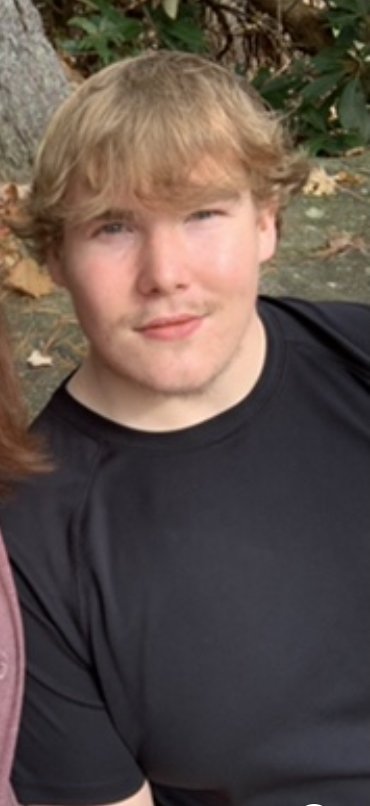
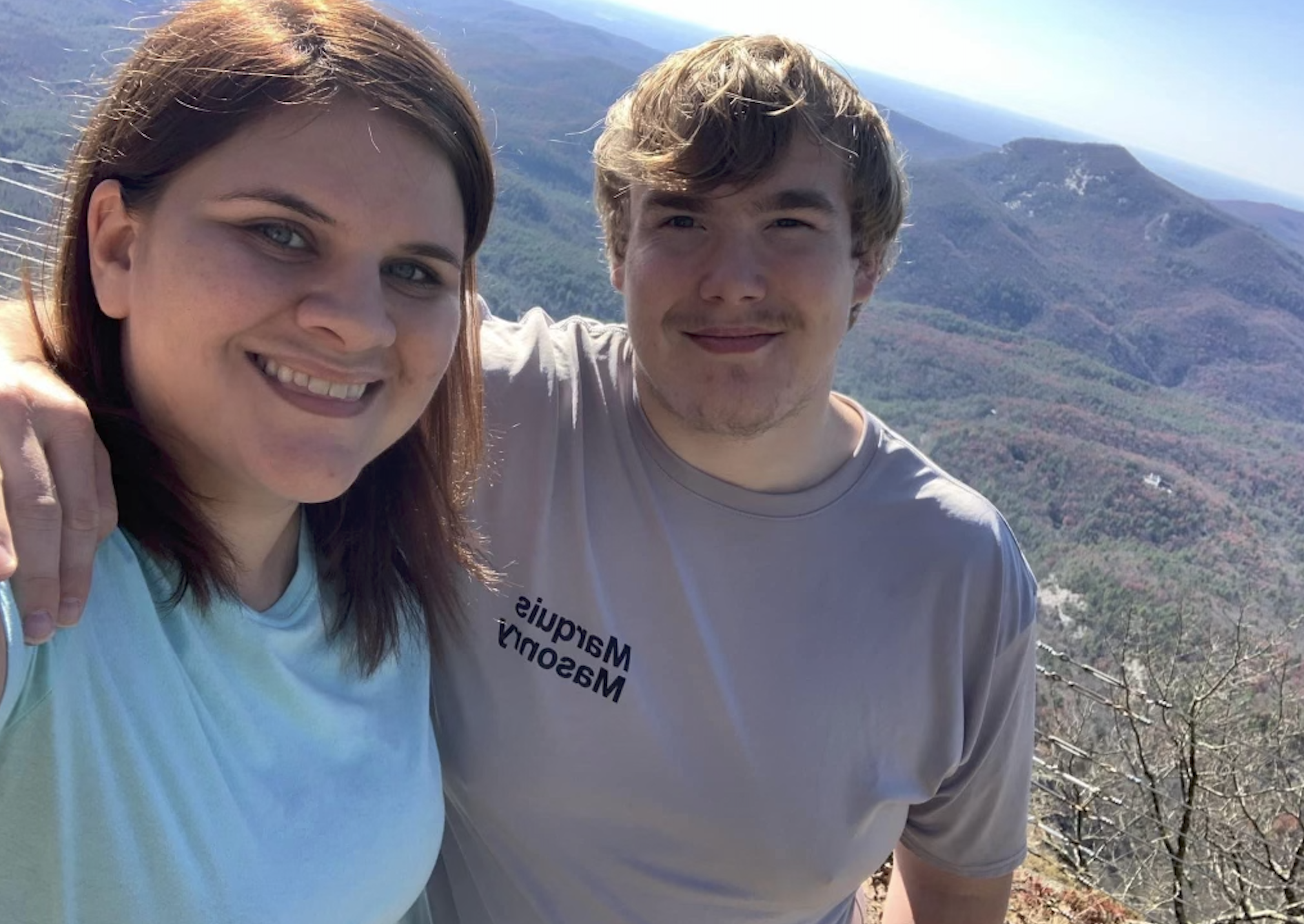
On November 5, 2021, Steve Hasel left his apartment in Orlando, Florida for a family vacation in Tennessee. It was supposed to be a beautiful trip – 10 days in the mountains, fresh air, family time. His 22-year-old son, PHOTO: VLAD Vladek Hasel, had originally planned to go. But not long before they left, he decided to stay behind.
Before leaving, Steve gave his son $100 in cash and a credit card – enough to cover whatever he might need over the next week and a half. He even offered to stop for groceries before heading out. Vladek told him not to worry. They had enough food in the apartment. It was an ordinary exchange. There was no tension, no sign that anything was wrong. Just a father leaving town and a son staying home.
When Steve arrived in Tennessee, he checked in. He sent a quick message to make sure everything was fine. Other family members reached out too. But Vladek didn’t respond.
At first, it didn’t register as a problem. The family was staying in the mountains, where reception was spotty. Calls dropped. Texts lagged. It was entirely possible messages weren’t going through. And even if they were, Vladek wasn’t known for being glued to his phone. He often left it behind. Let hours pass without replying. Silence wasn’t typical, but it wasn’t unheard of either.
Not yet.

CHAPTER 2: The Package
On November 15, Steve returned home to Orlando – one day earlier than planned. He wasn’t supposed to be back until the 16th. As he approached the apartment, something small caught his attention. A package he had ordered was still sitting outside the door.
It was delivered on November 8. Vladek had promised to bring it inside.
Steve opened the apartment door. It was unlocked, which wasn’t unusual – they didn’t have a key to their apartment so they left it open. But once inside the space felt off, untouched. The kitchen looked exactly as he left it. No food was missing from the refrigerator. No dishes in the sink. No sign that anyone had been moving through the apartment for the past ten days.
It looked paused in time.
Steve walked into Vladek’s bedroom. His tennis shoes were there. His pocket knife. His flip phone. The phone showed unread texts and missed calls starting from the afternoon of November 6. The last activity on the device was around 2 a.m. that morning – a call to his sister, Irena.
Irena later said it was a typical conversation, just checking in on each other. They often talked late at night. There was nothing strange about the call that set off any alerts for her. But after that, she never heard from him again.
That part was weird. Vladek and Irena were close. They spoke nearly every day. Standing in the stillness of the apartment, Steve felt concern begin to settle in. But he hesitated. He had come home early. Maybe Vladek was staying somewhere else and planned to return once Steve was back. Maybe there was a simple explanation for all of this.
He waited. But Vladek never came back. He never called. He never sent a message.
By November 17, it had been two days since Steve came home. The uncertainty had turned into something undeniable. Vladek’s sister, Bethany – who we worked with on this episode – filed a missing persons report with the Orange County Sheriff’s Office.
Since that day, she and her family have been searching for Vladek, waiting for answers, and trying to bring him home.
CHAPTER 3: His Name
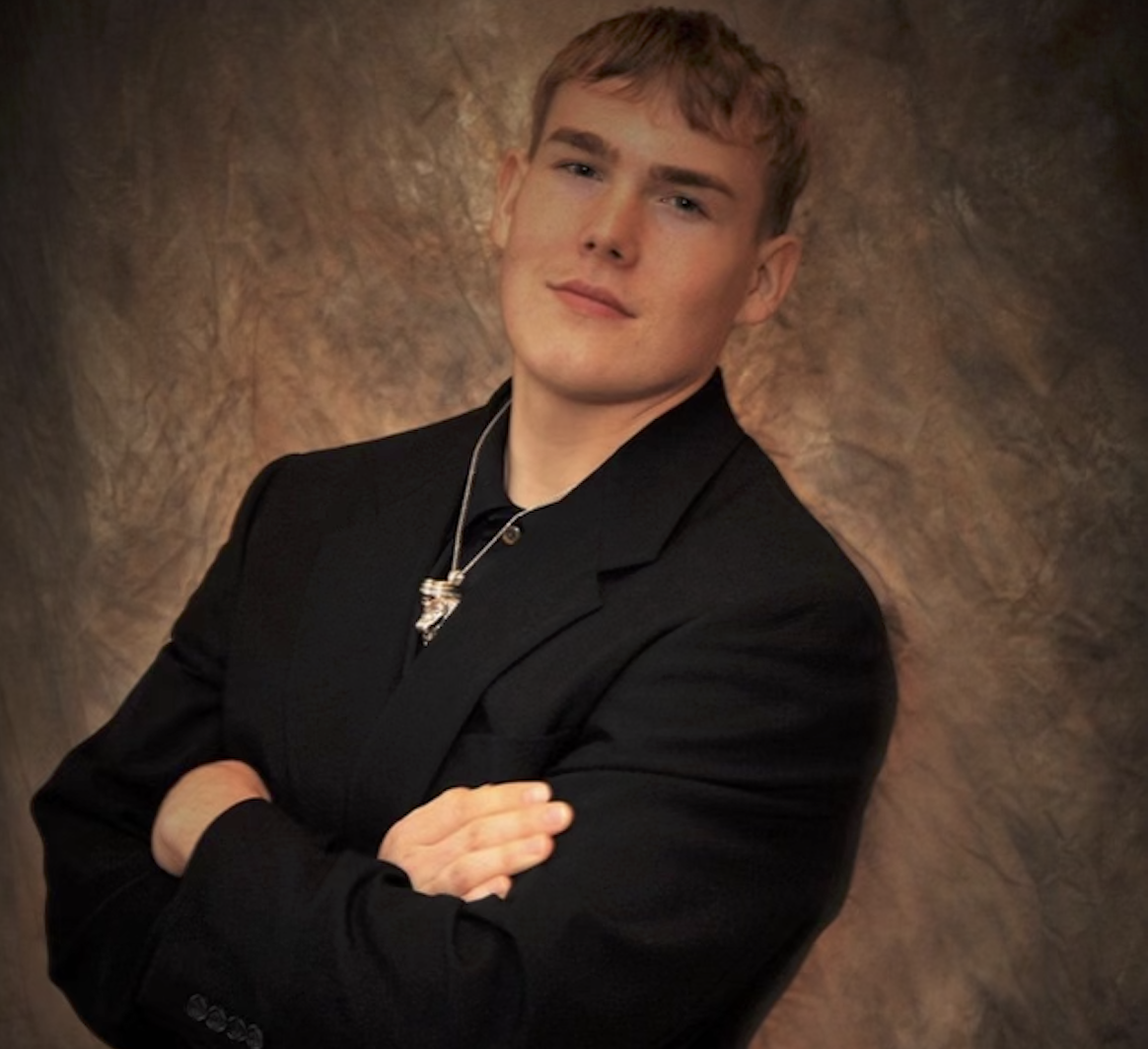
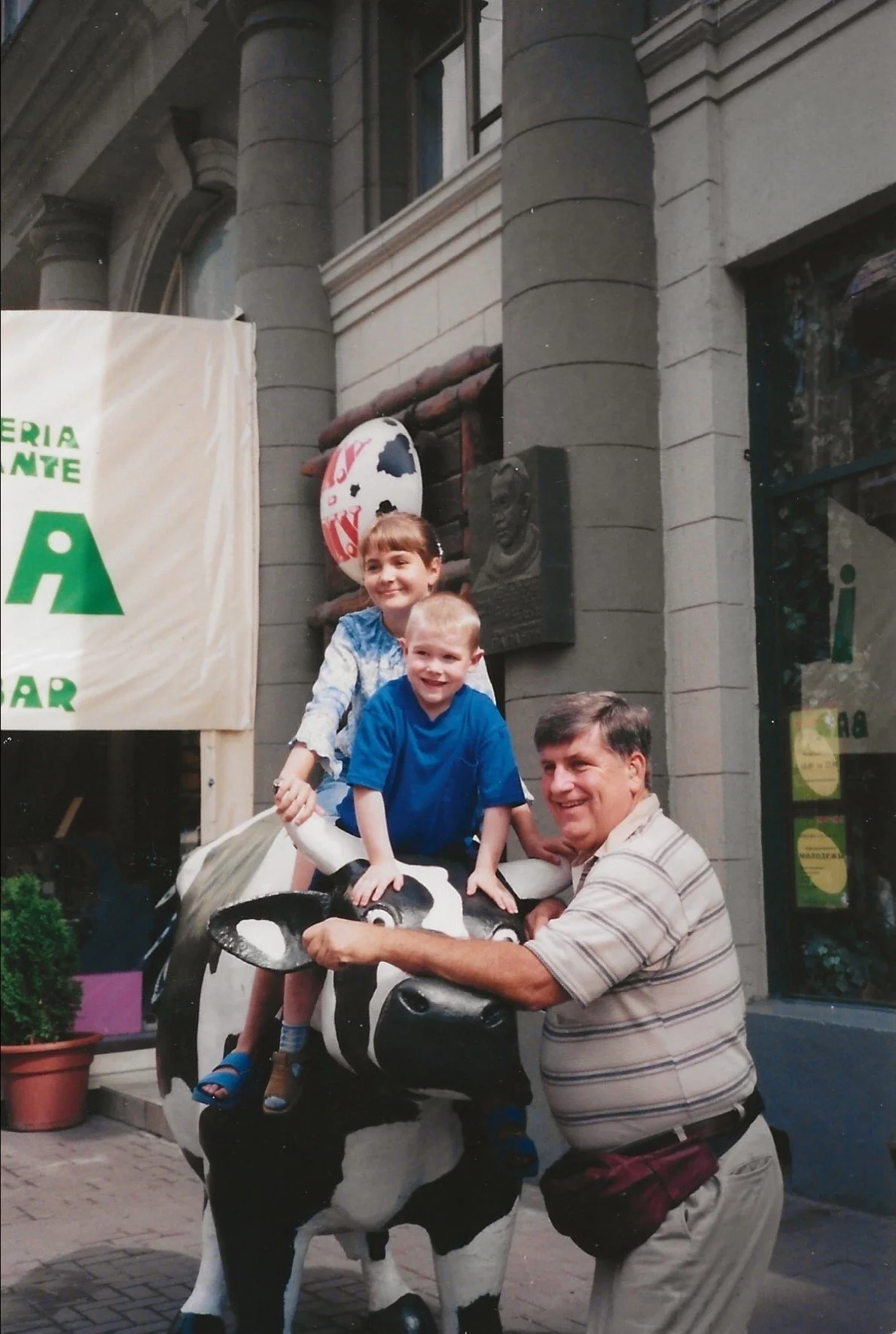
Bryan “Vladek” Hasel was born on December 20, 1998, in Russia. His earliest years were spent in an orphanage alongside his older sister, Irena. In 2004, when Vladek was 5 years old, the two siblings were adopted by a family in Florida – Steve and Cheryl Hasel.
The Hasel household was a full one. Steve and Cheryl were raising six children. Three of the oldest were already out of the home. Another one was preparing to leave for college. That meant Vladek and Irena grew up primarily alongside the two youngest siblings – Bethany and Kristyn.
When he arrived in the United States, he was given the name Bryan. But he preferred Vladek, or simply Vlad. It was the name that felt like him. He and Irena adapted quickly to their new life. They learned English. They adjusted to school. They stepped into a family structure that was already in motion. And for the Hasels, there was something special about watching the two siblings settle in and seeing them claim space as if they had always belonged there.
Vladek had energy that was hard to contain. He was rarely still. Sports became an outlet – soccer, T-Ball, basketball. For a period of time, he even played pee wee football. He enjoyed the routine, the practices, the feeling of being part of something structured. But more than the competition, he liked being around people. Connection came naturally to him.
Vladek spent time with his sisters and their friends, eager to be included in whatever was happening. He wasn’t shy about inserting himself into a room in a way that didn’t feel overwhelming, but invited interaction.
His sisters Bethany and Jodi described him by saying, “He is the friendliest person you’ll ever meet. He is constantly starting conversations with strangers. Anybody within a few feet of him, if you make eye contact, he’s going to start a conversation just to hear more about your story. And if there’s a way that he can help in any way, he will try to.” That instinct stayed with him – to engage, to ask questions, to offer help even when it wasn’t expected.
In middle school, Vladek’s parents separated. As the youngest child still at home, he chose to live with his father, Steve. By high school, he was thinking ahead. He had a clear goal – one he carried for years. He wanted to serve in the military. Specifically, he wanted to join the Marines.
He researched extensively what enlistment would look like. From Florida, he would be sent to boot camp in South Carolina. That wasn’t where he wanted to go. So he made a plan. After graduating high school, he would move to Texas, knowing that enlisting there would allow him to attend boot camp in California instead. He was a young man, moving with intention, and mapping out his own trajectory.
CHAPTER 4: A Plan Unraveled
In June 2017, Vladek relocated to Texas and lived with his older sister, Cari. He worked wherever he could – as a game attendant at Six Flags, security at Cowboys Stadium, and in a garage door warehouse. The positions weren’t glamorous, but they were steady. He was building towards a larger goal.
During that time, Cari was pregnant with her first child. Vladek naturally stepped into a caretaker role. When she went into labor, he stayed with her at the hospital – not just for the delivery, but for an entire week afterward. Once they brought the baby home, he helped care for her.
He was proud to be an uncle.
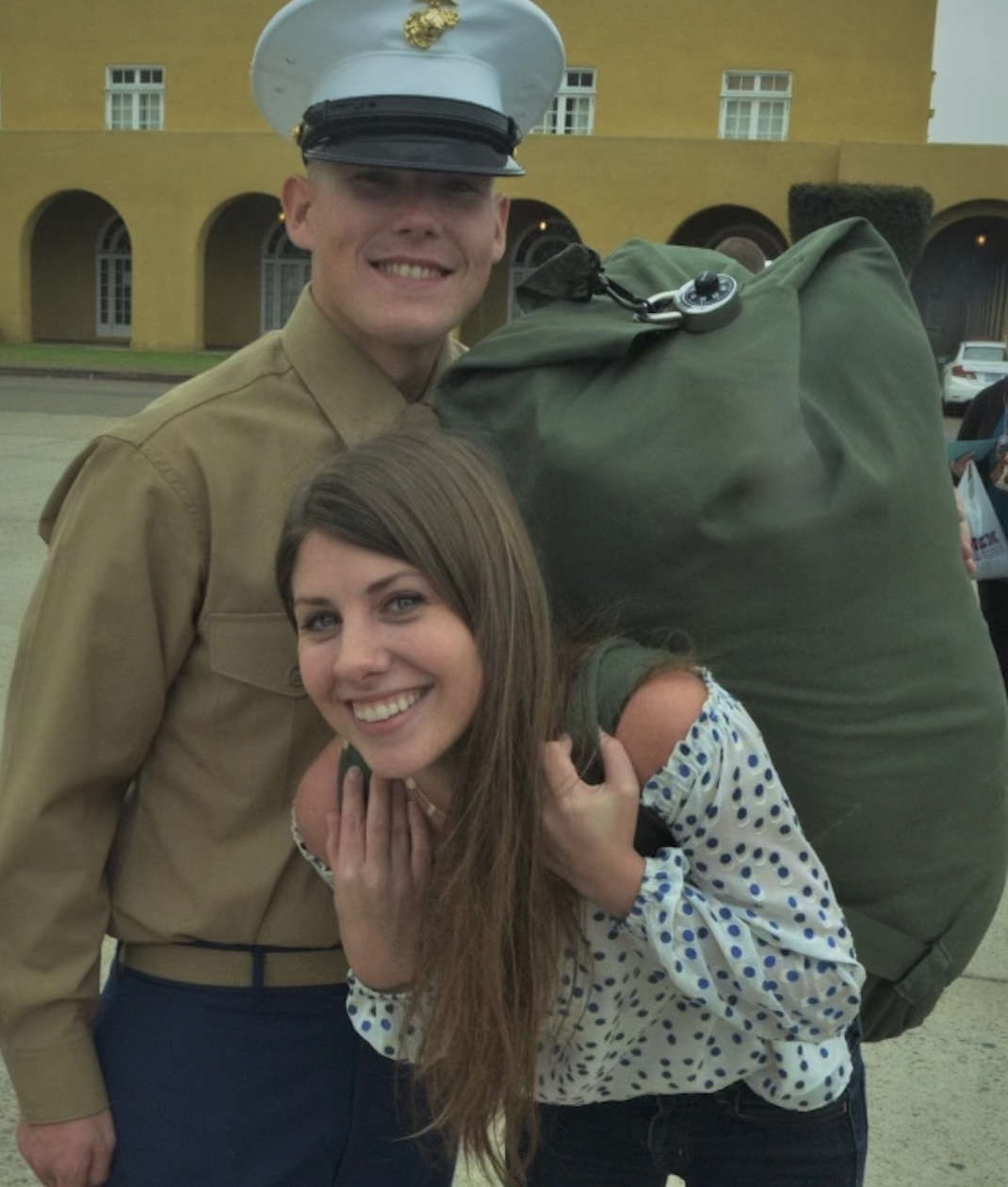
In 2018, he followed through on his long-held dream. Vladek enlisted in the Marines. He was sent to San Diego, California for basic training. When he graduated that December, his family traveled to be there. It wasn’t just a ceremony. It was the culmination of years of intention – research, planning, persistence.
But the reality of military life did not match the dream.
Vladek was assigned to a desk job which wasn’t exactly what he had envisioned. More significantly, aspects of the rigid military routine began to affect him in ways he hadn’t anticipated. The structure, the lack of autonomy, the environment. It stirred memories from his early childhood in the orphanage – memories he hadn’t expected to resurface.
He went to his superiors and told them what he was experiencing. He said he did not want to remain in the Marines. He received a general discharge under honorable conditions. On his paperwork were the words “failure to adapt.” For someone whose identity had been tied to that goal, it was a difficult turn.
Vladek returned to Florida and moved in with his father, Steve, and Steve’s new wife in Winter Springs.
The Marines had been the plan. Without it, Vladek felt lost. In January 2020, he relocated again. This time to the Detroit, Michigan area to stay with Cari again. He took a job as an environmental services technician at a nearby hospital. He loved spending time with his niece. He showed up for her in the same steady way he had before.
When COVID hit in March 2020 and daycares closed, Cari, a single mother, had to take a leave of absence from work. Vladek stepped up without hesitation. He financially supported them during that period.
Later, they relocated to Nashua, New Hampshire. There, Vladek struggled in his new job there. Eventually, he was let go. After that, he lacked the motivation to find another position. The direction he once carried with certainty felt harder to access.
Eventually, he returned to Winter Springs, Florida, moving back in with his father and stepmother once again.
CHAPTER 5: Letting Go
By this point, Vladek was struggling.
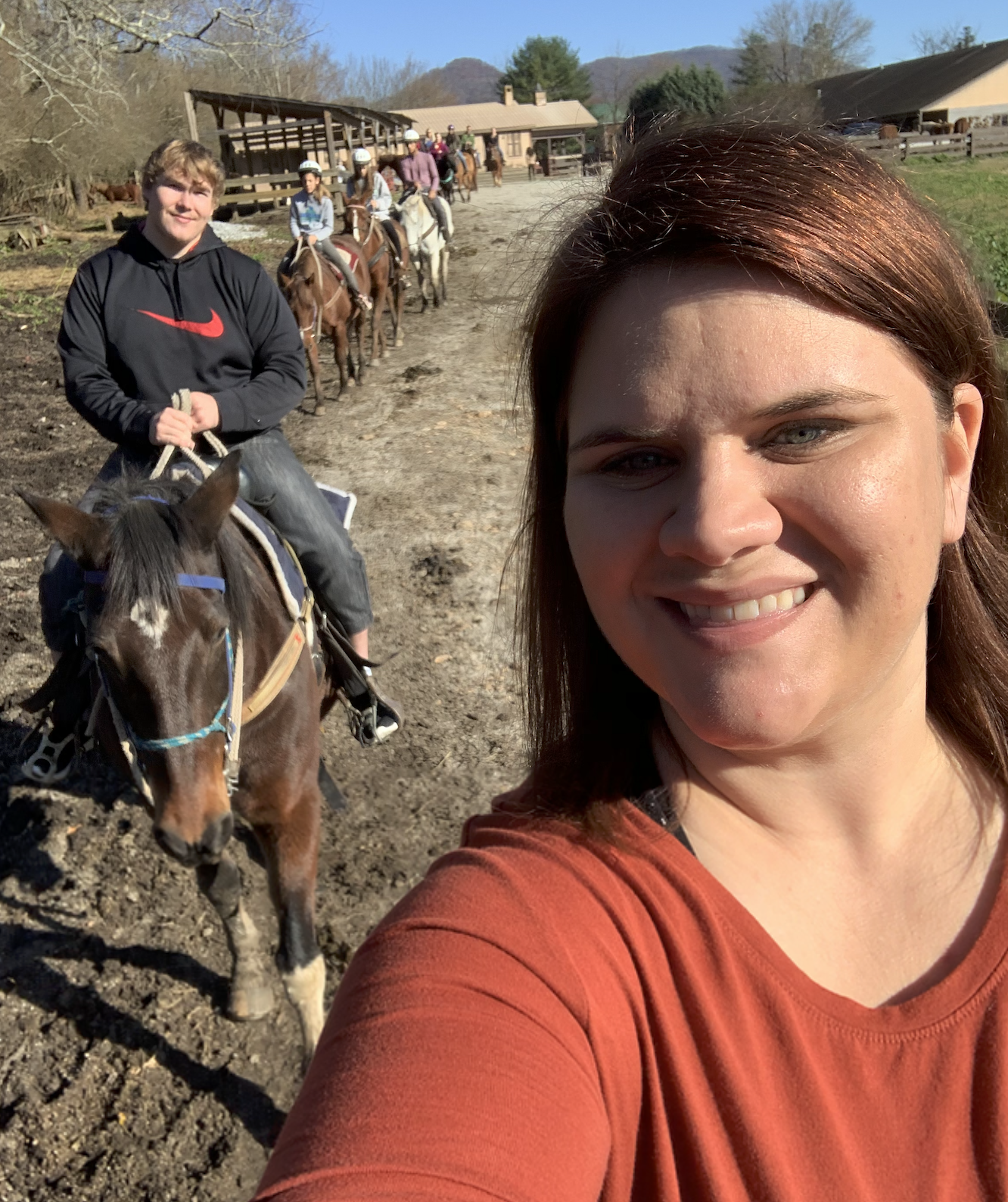
The structure he once relied on was gone. He felt uncertain about his future. The Marines were behind him. He wasn’t working. He wasn’t in school. The next step wasn’t obvious, and that uncertainty began to weigh on him. His father, Steve, supported him financially, but internally, Vladek seemed adrift. He was searching for direction and not quite finding it.
Around this time, Steve’s marriage ended. For about six weeks, he and Vladek lived out of hotels before securing a new apartment. In November 2020, they moved into The Place at Alafaya (alla-FAYE-ya), a large complex in Orlando near the University of Central Florida, close to MacKay Boulevard and Alafaya Trail.
Vladek filled his days by walking. He moved through the complex and the surrounding area with a kind of restless energy. He smiled at strangers, struck up conversations, asked questions about people’s lives. Connection came naturally to him, stillness did not.
Sometimes he would slip into the wooded area behind the basketball court to sing and smoke. Other days, he rotated between familiar spots – the gym, Wawa, Foxtail Coffee.
He and Steve shared a car. If Vladek didn’t have it, he stayed within walking distance. From time to time, he would take the free UCF buses that stopped at the complex, but more often than not, he chose to walk.
At the beginning of 2021, something changed in Vladek. He began spending time with unhoused individuals in East Orlando. He brought them food. He sat with them in restaurants and covered the bill. He took some to the movies. On at least one occasion, he allowed someone to use his credit card. Helping others seemed to give him purpose at a critical time in his life.
Steve supported those efforts financially. He was relieved to see his son engaged in something meaningful.
At the same time, Vladek began rejecting material possessions. As a teenager, he had wanted brand-name clothes, the newest phone, the things most kids his age gravitate toward. Now, he described materialism as a distraction.
He gave away his tablet. His bedroom became “very sparse and minimalistic.” He slept on an air mattress, even though Steve offered to buy him a bed.
At one point, he broke his phone and told his father he did it intentionally. He saw it as something that pulled his attention away from what mattered. He did not want a replacement. Steve and his sister Irena insisted he at least carry a flip phone so he could be reached. Eventually, he agreed.
Vladek also began spending significant time at a local Catholic church, often sitting in the prayer garden for long stretches. He listened to a YouTube pastor who frequently spoke about heaven, archangels, and demons. They are still trying to identify him – hoping it might offer context for what Vladek was hearing, and what he may have been internalizing.
Around this period, he began speaking more openly about heaven. He told his family he felt ready to go. That if he could be in heaven now, he would. At times, he asked, “What is the point if we can just be in Heaven?” Those comments worried his family. They weren’t dramatic declarations. They were quiet observations. But they lingered.
CHAPTER 6: November 4
In the summer of 2021, Vladek began talking about hiking the Appalachian Trail. Bethany remembers it sounding more like a passing idea than a real plan. Vladek sometimes floated big concepts, testing them out in conversation, to see how people would react. She did not believe he had concrete plans to attempt the hike. He hadn’t mapped out a route or set a departure date. It felt hypothetical.
By September, the family had started organizing a trip to Tennessee to celebrate Bethany’s birthday. They would leave on November 5 and return on the 16th.
When Vladek and Bethany talked about the trip, he mentioned hiking the Appalachian Trail and meeting them there. Bethany told him plainly – if he was serious, he needed to keep his phone on and check in. Vladek was dismissive. He said he would be fine.
At other times, he spoke about wanting to live in the woods someday. But he said he would not do that while his father was alive. He did not want to leave Steve alone. In early November, as the Tennessee trip approached, Vladek decided not to go to Tennessee.
On November 3, Vladek was driving the shared car when it broke down. He walked back to the apartment, worried his father would be upset. Steve wasn’t. He told him it was an old car and they could afford to fix it. He had it towed to a shop, where it would remain until Steve got back from vacation.
That same day, he purchased a pocket knife. When Steve asked him about it, Vladek said he bought it for protection. The conversation didn’t go any deeper than that.
On the night of November 4, the evening before the family left, something felt different. Vladek seemed intensely focused on religion. He spoke about archangels, demons, spiritual warfare. At one point, he said something that stayed with Steve: “You have to be dark to kill the dark.”
Steve didn’t understand what he meant. He wondered if Vladek was repeating something he had heard from the YouTube pastor that he had been listening to. Worried, Steve reached out to his daughter Jodi and told her that Vladek wasn’t speaking coherently. Jodi encouraged him to request a wellness check. Steve hesitated. He didn’t believe it would accomplish anything. He didn’t want to escalate something he wasn’t sure he understood.
The next morning, November 5, Steve left for Tennessee, not knowing that when he returned, his youngest child would be missing.
CHAPTER 7: Misheard
After Bethany filed the missing persons report on November 17, 2021, she and Steve moved quickly. They created flyers with Steve’s phone number and hung them throughout The Place at Alafaya – hallways, entrances, near the basketball court. They hoped someone in the complex had noticed something, anything, in the days before Vladek disappeared. It wasn’t long before Steve received a voicemail from a maintenance worker at the apartment complex.
Steve does not have the best hearing, and when he listened to the message, he believed the worker said he had spoken with Vladek at the basketball court for about five minutes “last Friday.” At the time, Steve, and the rest of the family, interpreted that to mean November 12.
That would have placed Vladek alive a full week after the last activity on his phone. But later, the family began to question that timeline. They now wonder if the maintenance worker may have meant November 5 instead.
Their reasoning is specific. Steve and Vladek’s apartment sat within 50 feet of the basketball court. The sidewalk leading to the court runs directly past their front door. If Vladek had walked to the court on November 12, he would have passed the package that had been delivered on November 8 – the one he had promised to bring inside. Yet when Steve returned home on November 15, that package was still sitting outside. It had never moved.
In the voicemail, Steve believed he heard the maintenance worker say that after speaking with Vladek for about five minutes, Vladek walked into the woods behind the court. Steve relayed that understanding to the sheriff’s department, and it was written into the initial report.
A few days later, Bethany listened to the voicemail herself. She wanted to confirm that the worker had said Vladek went into the woods.
When she replayed it, she realized something important.
The maintenance worker had not actually witnessed Vladek walk into the woods that day. He said he spoke with Vladek for a few minutes and mentioned that he knew Vladek liked to go into the woods behind the basketball court and suggested that area should be checked.
It was a general observation, not a confirmed sighting.
Bethany and Steve contacted the detective immediately to clarify what the voicemail actually said. Despite that correction, the statement “Vladek was last seen walking into the woods” remained on his missing person flyer for several months. Bethany and the family repeatedly asked for it to be corrected.
CHAPTER 8: Seven Days
On November 18, Bethany requested surveillance footage from the apartment complex. She learned quickly that time had already narrowed their options. Unfortunately, the system only retained the previous 7 days of video. Anything older had already been erased.
Management said they had only two security cameras – one positioned outside the laundry room and one near the gym. They told Bethany they would review the footage that still remained, but they could only release it to law enforcement if formally requested.
Bethany passed that information to detectives. When she followed up a week later to ask what had been recovered, she was told that requesting the footage was still on their to-do list.
Meanwhile, Bethany and Steve began searching on their own. They focused on the woods behind the basketball court. The woods are dense, though not expansive. They sit next to a retention pond. The area is overgrown – thick trees, palmetto bushes, wetlands, and swampy ground. Bethany and Steve pushed in as far as they could, but made it only about 30 feet before the terrain forced them to stop. They didn’t find Vladek or anything connected to him.
On November 19, multiple deputies searched the area around the apartment complex. They started in the same section Bethany and Steve had entered, reaching roughly the same depth. Then they expanded efforts – deploying helicopters and drones overhead, and bringing in a K9 search dog. Vladek was not found.
However, along the tree line of the complex, deputies found a single red slide shoe. They showed Steve a photograph of it. He said it was the type of shoe Vladek typically wore, but he could not remember whether Vladek owned a red pair specifically. The shoe was collected and sent for DNA testing.
As searches on the ground yielded no answers, the investigation broadened. Detectives explored the possibility that Vladek may have left the country and returned to Russia. That theory was quickly ruled out. Vladek no longer remembered how to speak Russian and did not have a Russian accent. Because his adoption had been closed, he had no personal connections in Russia to return to. On top of all that, his passport was expired, and any attempt to obtain a new one would have triggered alerts.
There was no indication he had left the United States. There was no sign of him anywhere.
CHAPTER 9: Last Seen
In the months that followed, updates from law enforcement were limited. Then, in February 2022, the family was called in for a meeting.
During that meeting, the detective told them the last time Vladek was verifiably seen was on November 6 at Foxtail Coffee House. According to the Orange County Sheriff’s Office, deputies had responded there to issue Vladek a trespass warning.
This was the first time the Hasel family had heard anything about a warning. When Bethany questioned the reason for the trespass warning, the detective responded, “Oh you know your brother, he was probably talking too much.”
It was a comment that landed heavily.
The family asked if they could see body cam footage from the trespass warning encounter. The detective told them they would need to submit a public records request.
A man from the apartment complex – described as a friend of Vladek’s – had reported that Vladek came to his door around 3 a.m. on November 15 and asked if he could stay the night. The friend told investigators that it wouldn’t work because his girlfriend and her children were there and would be waking up soon.
According to the friend, Vladek then asked if he had a gun. The man said he did not. He had a record and could not be around firearms.
The friend described Vladek as seeming anxious to leave, but he asked him why he needed a gun. Vladek reportedly said it was for protection. Protection from what, the friend asked. Vladek allegedly said protection against an animal. Vladek also said he wanted to go “off the grid.”
Bethany asked whether there was any way to independently verify that interaction. The detective responded, “No, he didn’t take a picture of your brother that day."
Because there was no independent verification of that account, law enforcement considered November 6 – the date of the Foxtail Coffee trespass warning – to be the last confirmed sighting.
Bethany pressed further. She asked whether detectives had attempted to track Vladek’s movements by reviewing footage from restaurants and businesses he frequently visited, or by checking street cameras in the area. She was told that would involve too much footage to review, and that the street cameras near where he disappeared were not functioning properly.
The detective added that the red slide shoe found near the wooded area had been tested. DNA results were inconclusive. They could not determine whether it belonged to Vladek. Bethany was shown a photograph of the shoe and asked if she believed it was his. She told the detective it was the type of shoe he wore, but just like her dad, she could not remember if he owned a red pair.
Before the meeting was over, Vladek’s flip phone and Steve’s laptop were returned to the family. Bethany asked whether detectives had contacted the people Vladek had communicated with on his phone. The detective said, “No, we thought you did." They also said they had not reviewed the laptop because they were unable to get it to power on.
When the meeting ended, the family left with more questions than answers – and with the quiet, sinking feeling that the urgency they felt was not being matched by investigators.
CHAPTER 10: The Warning
After the February meeting with law enforcement, the Hasel family decided to gather information on their own.
They contacted Foxtail Coffee House directly to better understand what had happened on November 6. The manager agreed to meet with them. She walked them through the timeline.
She explained that back on November 4, at around 8 p.m., Vladek walked into the coffee shop wearing headphones. He purchased a drink and sat down at a table. At some point, he removed his pocket knife and placed it on the table in front of him. A customer noticed. The customer told an employee he planned to leave because he felt uncomfortable. At the time, he did not mention the knife.
Later that evening, the customer returned and saw Vladek sitting outside the business. He then reported to staff that earlier, Vladek had placed a pocket knife on the table. Foxtail Coffee has a zero-weapons policy. Because of the complaint, management decided that if Vladek returned, he would be issued a trespass warning. He had already left the premises that night and was unaware that a warning had been initiated.
On November 6, at around 8 a.m., Vladek returned to Foxtail. He purchased a cup of coffee and sat down. At that point, staff contacted the Orange County Sheriff’s Office to issue the trespass warning. Vladek had no idea what was happening until police officers showed up to talk to him.
The manager provided the Hasel family with a still image from the store’s security cameras, timestamped 8:11 a.m. It shows Vladek wearing a black hoodie over a gray shirt with a necklace. He was wearing khaki shorts, crew-length black socks, and bright red slides. The manager also shared something else. She said that in previous visits, Vladek had mentioned feeling sleep deprived. She told the family she got the impression he was struggling.
After receiving the still image from Foxtail, clearly showing a red slide, Bethany contacted the detective again. She asked to see the photograph of the red slide shoe that deputies had found near the woods during the initial search. The request was declined.
Bethany then asked if the detective could at least confirm whether the recovered slide was the same size Vladek wore. In response, the detective asked her what size shoes he wore and requested that she send over the screenshot from Foxtail.
The family felt like they were constantly chasing clarity instead of receiving it.
They still hadn’t seen the body cam footage from November 6, so friends of the Hasel family submitted a public records request. The request was approved, but the family did not see that footage until September 2022, nearly one year after Vlad went missing.
This is the part families don’t talk about enough. Searching for a missing loved one does just induce fear or anticipation from the waiting.
It’s also a logistical nightmare – the paperwork, the follow-ups, the requests that feel like they vanish into someone else’s inbox. It’s disappointing to sit across from investigators and realize you’re the one keeping the timeline straight.
I want to be careful here. Law enforcement works complex cases with limited resources. Not every delay is negligence. Not every missed step is malicious. But when it’s your brother or your son or your best friend, every hour matters. Every piece of footage matters. Every detail feels urgent.
When you start feeling like you’re the one pushing the case forward, something shifts in the investigation, but also in the trust you place in the system responsible for bringing them home.
CHAPTER 11: 8:26
When the Hasel family finally watched the body camera footage, they paid close attention to every detail. They were looking for anything – a clue, a shift in tone, something that might explain what happened next. What they saw was difficult to process. It broke their hearts.
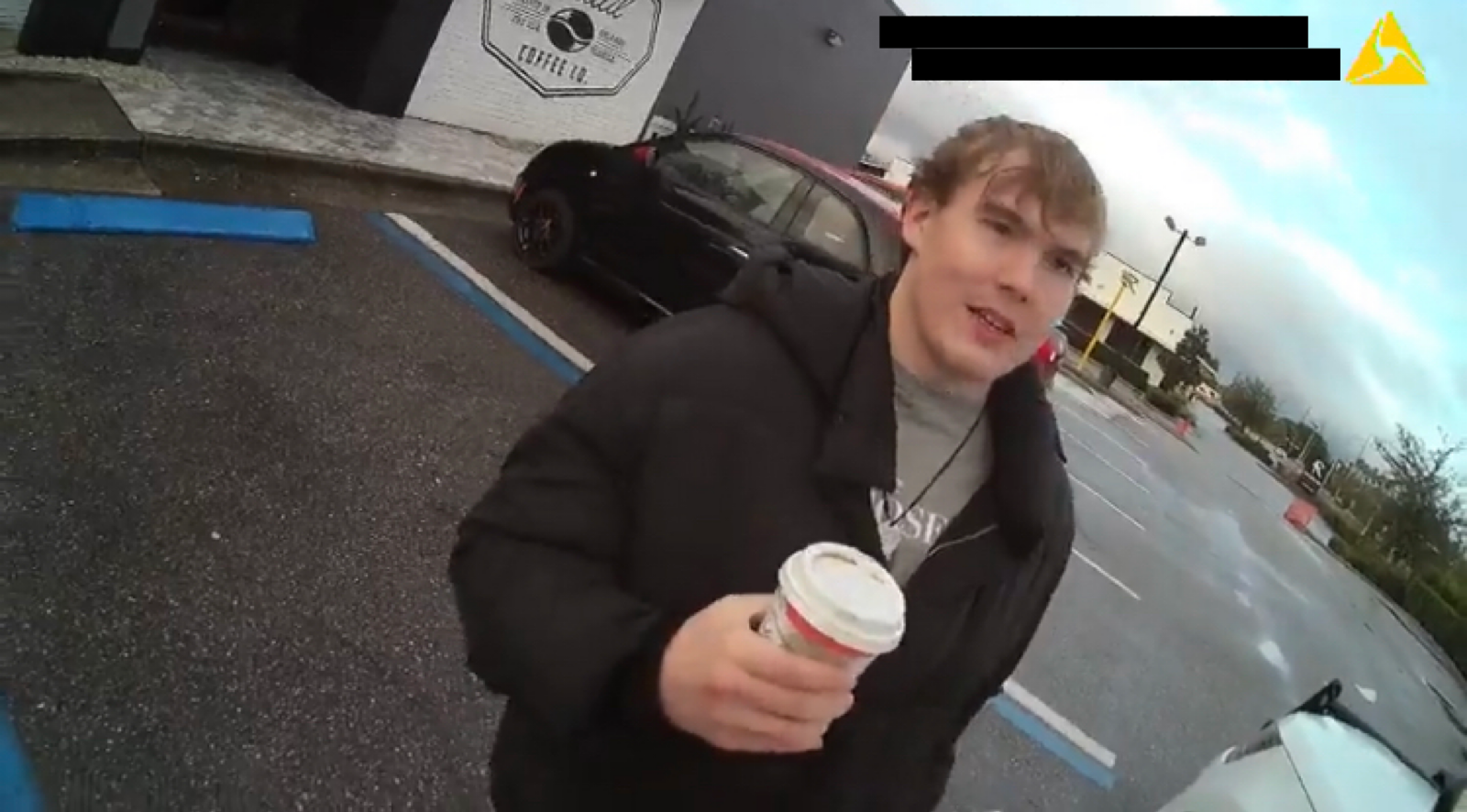
In the video, deputies inform Vladek that he is being issued a trespass warning. He appears visibly confused. He asks questions. He tries to understand what he did wrong. But the officers do not explain the specific reason for the warning. One tells him that it’s a private business and they can trespass someone for any reason – even something as simple as the shirt they’re wearing. From Vladek’s perspective, there is no clear explanation, but he does not argue.
Bethany said Vladek was respectful throughout the interaction. He attempted to make small talk with the officer, commenting on the weather and asking how his day was going. He wasn’t agitated. He wasn’t confrontational. But you can see the confusion in his face.
He seems to be searching for context, trying to piece together why he’s no longer allowed to return. That part hurt the most for his family. Foxtail had been a place he frequented – somewhere he felt comfortable, a routine stop. To learn that he was no longer welcome there was deeply upsetting.
In the footage, Vladek empties his pockets. He has the credit card Steve gave him, his Bank of America debit card, and his ID. He does not have the pocket knife or his phone on him. Everything Vladek removed from his pockets that morning has never been located.
At 8:26 a.m., the body camera captures Vladek calmly walking away. He heads west, in the direction of a Wawa convenience store near the coffee shop.
That timestamped footage is the last confirmed sighting of Vladek before he disappeared. After watching it, the family felt a mix of emotions. It was clear he was upset. He looked confused and hurt. It pained them to see him that way.
And to make matters worse, this video didn’t tell the family where Vladek was. It only marked the point where the trail ends and brought on more questions.
CHAPTER 12: After
The search did not stop. In the summer of 2022, a search organization conducted a more extensive sweep of the wooded areas near the apartment complex. Approximately 30 search dogs were deployed.Nothing was found.
Then, in September 2022, another loss came. Steve was in the process of moving into a new rental home when Hurricane Ian hit Florida. The apartment he had shared with Vladek flooded with about three feet of water.
Steve had not finished moving their belongings out before the storm. As a result, most of what remained – Vladek’s clothing, personal items, everyday remnants of his life – was destroyed. Losing those belongings felt like losing pieces of him all over again.
That November marked one year since the family saw or heard from Vladek. One year since they left for vacation, only to return to a completely different world, one where they had to constantly wonder where Vladek could be.
There’s something uniquely destabilizing about not knowing. When someone dies there is devastation, but there is also certainty. A line in the sand. An ending, however painful. When someone disappears, there is no line.
You wake up every day in a state of suspended possibility.
You scan crowds without meaning to. You analyze unfamiliar numbers that call your phone. You replay the last conversation you had, over and over, looking for something you missed.
Time keeps moving. The world keeps operating. But your brain never fully rests.
Because answers mean relief — even if they hurt.
And silence doesn’t.
As the years since November 2021 passed, the Hasel family continued pressing forward to fight for answers in Vlad’s case. They spoke with media outlets whenever they could. They distributed flyers across the United States. They collaborated with podcasters. They asked questions when questions weren’t being answered.
They have not stopped. They were and are desperate to find Vladek. To this day, they do not know what happened to him. They do not know where he is. If he chose to leave on his own, they want him to know they are okay with that. They just want to know he is safe and healthy.
But in their hearts, they do not believe he disappeared voluntarily. If he had, he would have contacted someone – at the very least his only biological relative Irena – to say he was okay. He would not want them to suffer in the uncertainty. That absence speaks loudly. Because of that, they continue searching, and hoping, and trying to bring him home.
If you have information in Vladek’s case, please reach out to the Crimeline Tip Line at 800-423-TIPS or email FindBryanVladekHasel@gmail.com.
If you’d like to follow the Hasel family’s advocacy journey, you can visit @FINDVLADEKHASEL on Facebook, X, Instagram, Reddit, and TikTok.
CHAPTER 13: Still Missing
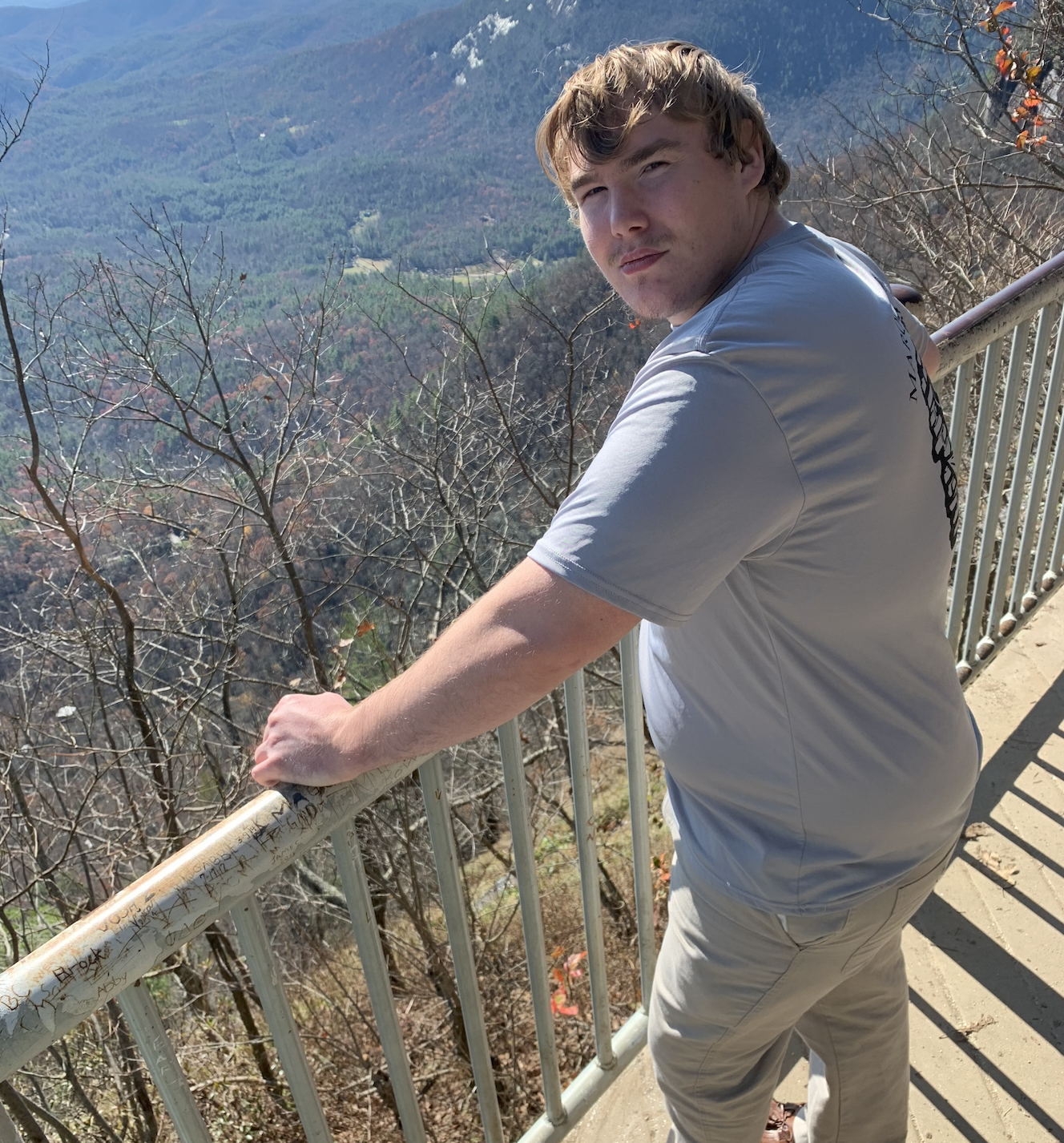
Bryan Vladek Hasel is a son, a brother, an uncle, and a young man still searching for his place in the world. He is endlessly curious about other people’s stories and quick to offer help to anyone who needs it. The kind of person who can strike up a conversation with anyone, and offer sincerity in his interactions.
Since November 6, 2021, his family has marked every birthday and every holiday without him. They have replayed their last conversations. They have studied the last footage. They have walked the same paths he walked and stood in the places he used to sit, hoping that proximity might offer clarity. So far, it hasn’t. They have lived with questions that do not quiet down.
They do not know what happened to Vladek. They do not know where he is. But they know this: silence is not the same thing as peace.
If Vladek chose to step away, they want him to know there is no anger. There are no accusations. There is only love. They want to know he is safe. They want to hear his voice again. And if something happened to him, if someone knows more than they’ve said, they need the truth.
Until that truth comes, this search does not end, and neither does the love his entire family has for him.
CREDITS:
To help this show reach a wider audience and help these victims and their families gain more attention on their cases, please follow, subscribe, rate, and review wherever you are listening. Your curiosity could crack the case.
Thanks for listening to Frozen Files a Yes! Podcast
Recorded in Los Angeles at KeyFrame Studios
This episode was produced, written, hosted, and edited by Madison McGhee
Produced by Nick Baudille
Produced, written, and researched by Haley Gray
Production design by Stephen Hauser
Creative direction by AJ Christianson
All additional sources are linked in the show notes.
SOURCES:
https://www.newsnationnow.com/missing/family-searching-for-missing-23-year-old-marine/
Interview and conversations with Jodi and Bethany
Clarifying questions email