DANIELLE BELL
COLD OPEN:
Cantonment, Florida sits just north of Pensacola in the panhandle – close enough to the coast to feel the humidity and the salt in the air, far enough inland to feel like a small town. It’s a town where everyone still knows each other’s last names. Friday nights there follow a pattern. High school football under bright stadium lights. Music drifting from open fields. Teenagers moving in packs to get to the bonfires. Parties at the popular kids house. Engines idling in driveways a little longer than they should. It’s a scene straight out of a young adult television show.
It’s the kind of place where kids ride around with friends and promise to be home the next day. A weekend sleepover with your best friends doesn’t raise any alarms. Parents expect late nights and don’t panic over late curfews. Why should they? Nothing bad happens here. Nothing about a Friday night in late September is supposed to feel dangerous.
But on Friday, September 28, 2001, a 14-year-old girl went out with friends in Cantonment… and she never came home.
This is the disappearance of Danielle Bell.
I’m Madison McGhee, and this is Frozen Files.
CHAPTER 1: The Last Normal Weekend
On the evening of Friday, September 28, 2001, Susan Bell attended a local football game in the Cantonment, Florida area. Before she left, she gave her 14-year-old daughter, Danielle Bell, permission to spend the night with friends. The kind of casual agreement that happens in houses where trust has been built over years.
By Saturday afternoon, Danielle hadn’t come home, but sleepovers don’t always end in the morning. Susan assumed she may have stayed with a friend named Jennifer. Susan reached out to one of Danielle’s friends, a girl named Jennifer. At first, Jennifer said they were together. That answer landed softly. It was enough.
By Sunday morning, the quiet felt different. Danielle still had not returned home. The hours were stretching. Susan called Jennifer again. This time, the story changed. Jennifer admitted that Danielle hadn’t been staying at her house.
In an attempt to stay calm, Susan began calling around, trying to track down anyone who might know where her daughter was. She eventually learned that Danielle had attended a party in the Cantonment Village area on Friday night and that no one had seen her since.
By the time Susan realized her daughter hadn’t simply stayed out late, nearly 48 hours had passed. She called 9-1-1 and reported her daughter missing.
An officer responded to gather more information. Susan gave investigators a list of people she believed could have relevant information. One of them was a young man named Alex Sanchez.
When investigators reached him, he confirmed there had been a gathering at a park in the Village area that night. He said Danielle left around 9:30 p.m., walking away from the group.
That was the last time he claimed to have seen her.
He also mentioned something else to the officer – that Danielle and her mother had been fighting, and that Danielle had said she did not plan to go home.
It’s a detail that would follow the case from that moment forward. When a teenager disappears, the question of whether they meant to leave becomes more than speculation. It becomes a narrative.

CHAPTER 2: Labeled a Runaway
After taking the report, the responding officer drove through the Cantonment area, canvassing the park where the party had taken place and circling the surrounding neighborhood. It was quiet. No unusual activity was observed. No teens were seen out on the street.
With no visible activity, the officer contacted dispatch to have them log the missing report. Danielle was classified as a runaway. She had left without clothes, without money, without a bag. No one had heard from her. Still, that label went into the system first, despite the fact that no one had seen or heard from her in two days. The officer then provided Susan with a complaint number. That was it. There was no official search that night for Danielle.
For reasons that remain unclear, Susan did not immediately tell her oldest daughter, Bonnie, that Danielle was missing.
Bonnie, who we worked with on this episode, did not find out until Monday, October 1. She called her mom for a routine conversation. When Susan answered the phone, she was crying. Bonnie’s grandmother took the phone and told her that her sister, Danielle, had been missing since Friday. She asked Bonnie to come to the house.
She rushed over. When she arrived, she was told Danielle had gone out Friday night. She was supposed to be staying with a friend. She hadn’t returned.. At that point, no one mentioned the party. The details were still incomplete – or still forming.
Being told that Danielle was missing changed Bonnie’s life forever. More than 24 years later, she is still searching for answers, still trying to piece together what happened that night, still trying to find her sister.
CHAPTER 3: The Girl She Was Becoming
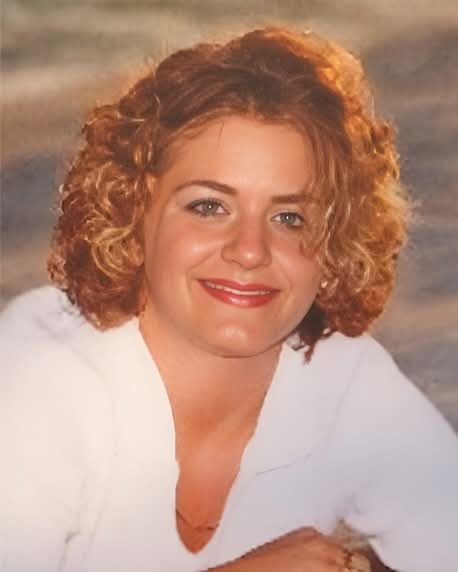
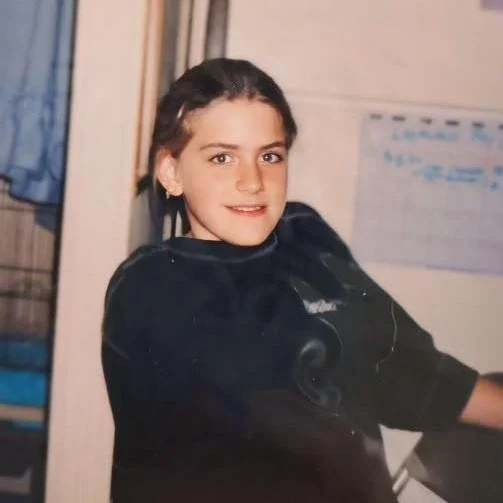
Danielle Bell was born on July 28, 1987 By the time she was fourteen, she had already developed a personality that filled a room without trying too hard. She was described as bright and happy. She was outgoing, friends with everyone, and not afraid to show a little sass. Danielle was comfortable in her own skin in a way that some adults never quite manage.
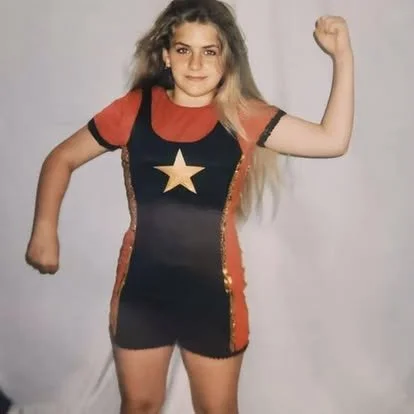
She drew constantly and anywhere she could: notebooks, loose paper, margins of homework. She danced on her cheer team and took it seriously. Animals had a way of finding her. Over the years she brought home stray cats, insisting they needed her. For a while she talked about becoming a veterinarian. Later, she shifted toward law, specifically helping children with disabilities. The kind of ambition that moves around when you’re fourteen but still says something about who you are.
She grew up in the Pensacola, Florida area with her mother, Susan, her father, Matt, and her older sister Bonnie.
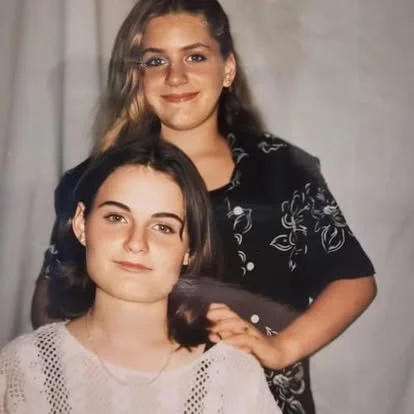
Even with a six-year age gap, Bonnie and Danielle were extremely close. They shared a bedroom for most of their childhood.
When Bonnie started driving, Danielle became her constant passenger. Bonnie worked at the mall during high school, and Danielle would tag along – wandering the stores or lingering near the food court until her shift ended. They spent a lot of time at the beach. The girls loved late-night drives with Bonnie’s friends, who treated Danielle less like a kid sister and more like part of the group.
While they were close, they also fought like sisters do. Bonnie remembers Danielle was messy. When it was time to clean their room, Danielle had a habit of pushing things under Bonnie’s bed instead of putting them away. Eventually, Bonnie responded the only way an older sister would – she laid a strip of tape down the middle of the bedroom floor. A boundary line.
It was the kind of disagreement only sisters understand. You feel safe enough to have those arguments because you feel secure in the love that exists there. And you assume tomorrow will always come.
CHAPTER 4: A House Without Edges
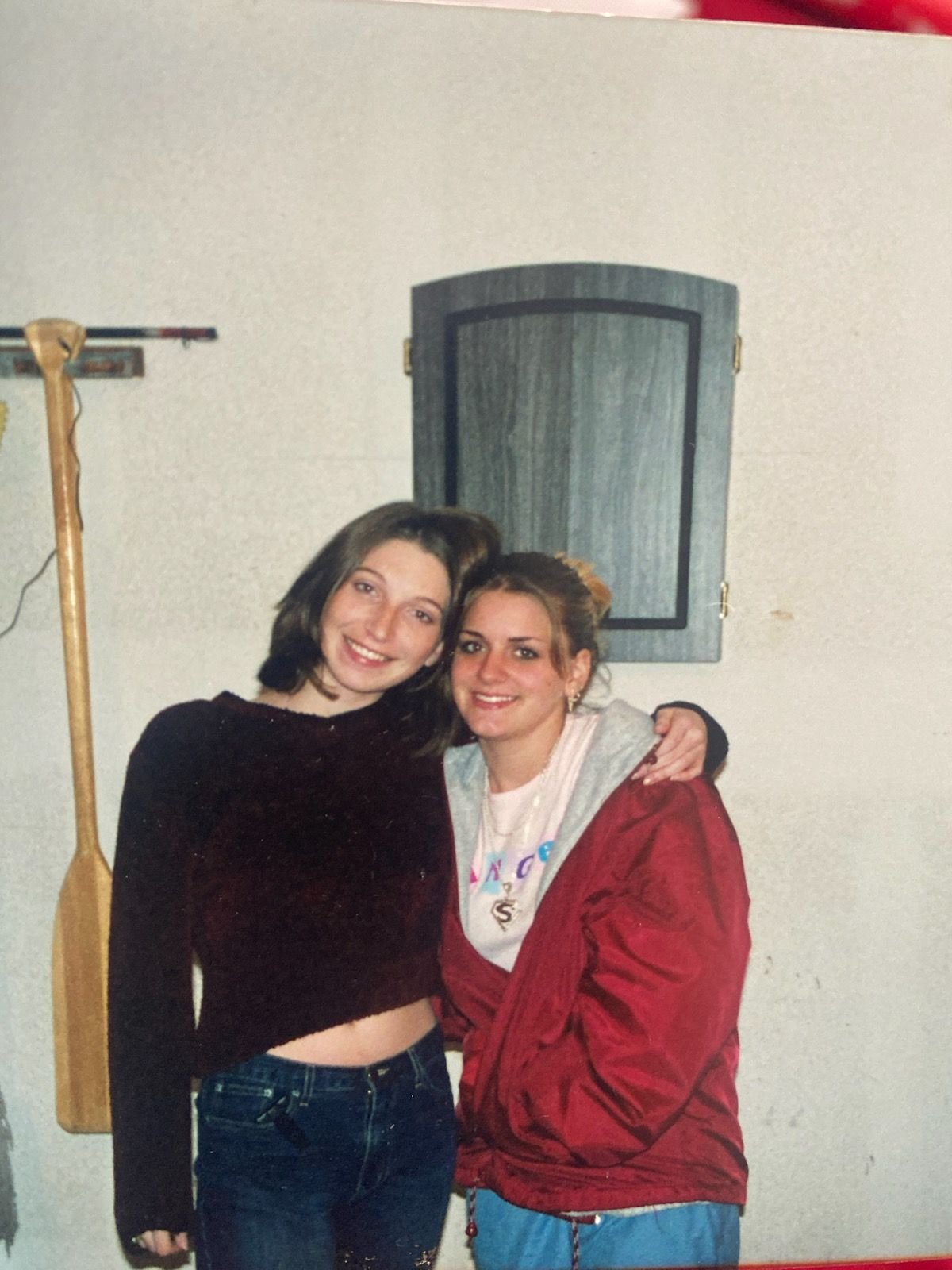
Danielle was close with her mother. But home life was unstable. Bonnie described their mother Susan as neglectful. There were stretches of absence and periods of instability. Susan was in and out of jail. The boundaries are blurred in ways that can feel normal when you’re growing up inside them. But Susan felt like more of a friend to Danielle than a parent. That dynamic meant Danielle was given a lot of freedom and not much structure. Curfews were flexible. Supervision wasn’t always consistent. That style of parenting sounds cool from a distance, but is complicated in ways that don’t always show up immediately or obviously.
There was tension between Danielle’s parents. Arguments that stretched across years. Money moved through the house quickly and didn’t always land where it was supposed to. Utilities were shut off more than once. At one point, Susan was arrested after attempting to restore electricity herself by pulling the meter from outside the home.
In 2000, Danielle’s parents Susan and Matt divorced. Danielle and Susan moved in with Susan’s mother, Danielle’s grandmother. By this point, Bonnie was in college and living in her own apartment. Danielle’s grandmother often traveled to care for a sick relative, which meant Danielle and Susan were frequently alone.
Danielle continued spending time with her father, Matt, and they remained close. Still, Bonnie said she doesn’t think Danielle felt comfortable going to him with her problems. That hesitation isn’t unusual for a 14-year-old girl. Teenagers curate what they share especially with their parents.
Danielle leaned on Bonnie, spending time with her whenever she could. On September 16, less than two weeks before she disappeared, they went to Pensacola Beach to have photos taken. That was the last time Bonnie ever saw Danielle. Just over two weeks later, Bonnie made what she thought was an ordinary phone call home. The conversation that followed divided her life into before and after her sister was gone.
CHAPTER 5: What They Weren’t Told
As soon as Bonnie learned Danielle was missing, the uncertainty turned into urgency. Search efforts finally began. Danielle’s uncle opened his home as an informal command center. Friends and family gathered there, organizing searches and making plans. More than 1,500 missing person flyers were distributed.
Family members and volunteers spread out across the Cantonment area. Bonnie joined others on foot, scanning riverbanks and wooded patches – places teenagers sometimes wander and places where someone could disappear without being seen. She searched anywhere Danielle might have gone.
She wasn’t looking for evidence yet. She was looking for her sister.
Danielle’s father, Matt, and his girlfriend joined the effort. They went door to door in nearby neighborhoods, knocking, introducing themselves, repeating the same question with measured calm: Have you seen Danielle?
While canvassing, they ran into Alex Sanchez, the young man Susan told the police to contact. He told them Danielle had been at a party on Friday night. He said he had already told Susan that, and she had passed the information to the police.
Bonnie and Matt hadn’t heard anything about a party. No one had mentioned a gathering, or a park that Danielle may have been to the night she disappeared. The timeline they were working from suddenly felt incomplete. They returned to Susan and told her they needed to know everything she knew. That is when Susan revealed something else, a shocking detail that completely reframed the story.
Susan said Danielle was pregnant, and that the father was a 24-year-old man named Alfredo Gomez Sanchez Jr. Bonnie would later learn Danielle met Alfredo in the spring of 2001 through a friend who was dating Alfredo’s cousin, Rowel.
Alfredo was a dangerous man who had a criminal record going all the way back to when he was 16. Now, at 24, he was known for often having "young girls" around him and his friends. He would give them drugs and alcohol. By May, Danielle and Alfredo were in a sexual relationship.
Before we move forward, I want to be very clear about something. Some people have described Danielle’s relationship with Alfredo as consensual – that she agreed to it, that she wanted it. Danielle was 14-years-old. Alfredo was 24.
At 14, you cannot legally consent to sex with an adult. And even beyond the law, there’s the reality of power. A decade separates middle school from full adulthood. That’s 10 years of experience, influence, social control. When you combine that with access to alcohol, drugs, and transportation, it gives the adult in the situation the ability to shape the narrative.
When a grown man involves himself sexually with a child, the responsibility sits with the adult – always.
Even if Danielle believed she was choosing the relationship, that belief doesn’t make it equal, it doesn’t make it safe, and it doesn’t make it lawful.
According to Susan, she did not realize Danielle and Alfredo were romantically involved. She believed Danielle was babysitting for Alfredo’s child. That explanation doesn’t sit comfortably with Bonnie, but we’ll come back to that in a moment.
In early to mid-September, Danielle told her mom she thought she might be pregnant. She believed Alfredo was the father. Susan later said Danielle also shared something else – that Alfredo had threatened to kill her if she told anyone about the pregnancy. Susan scheduled a doctor’s appointment, but Danielle disappeared before it could happen.
Several of Danielle’s friends knew about the pregnancy. Bonnie and her father did not.
Bonnie believes that silence was intentional. She thinks Danielle understood how she would respond – protective, confrontational, unwilling to treat the situation lightly. Susan offered closeness that felt like friendship. Bonnie offered boundaries. At 14, boundaries don’t always feel safe. Sometimes they feel restrictive, and that can determine who you confide in.
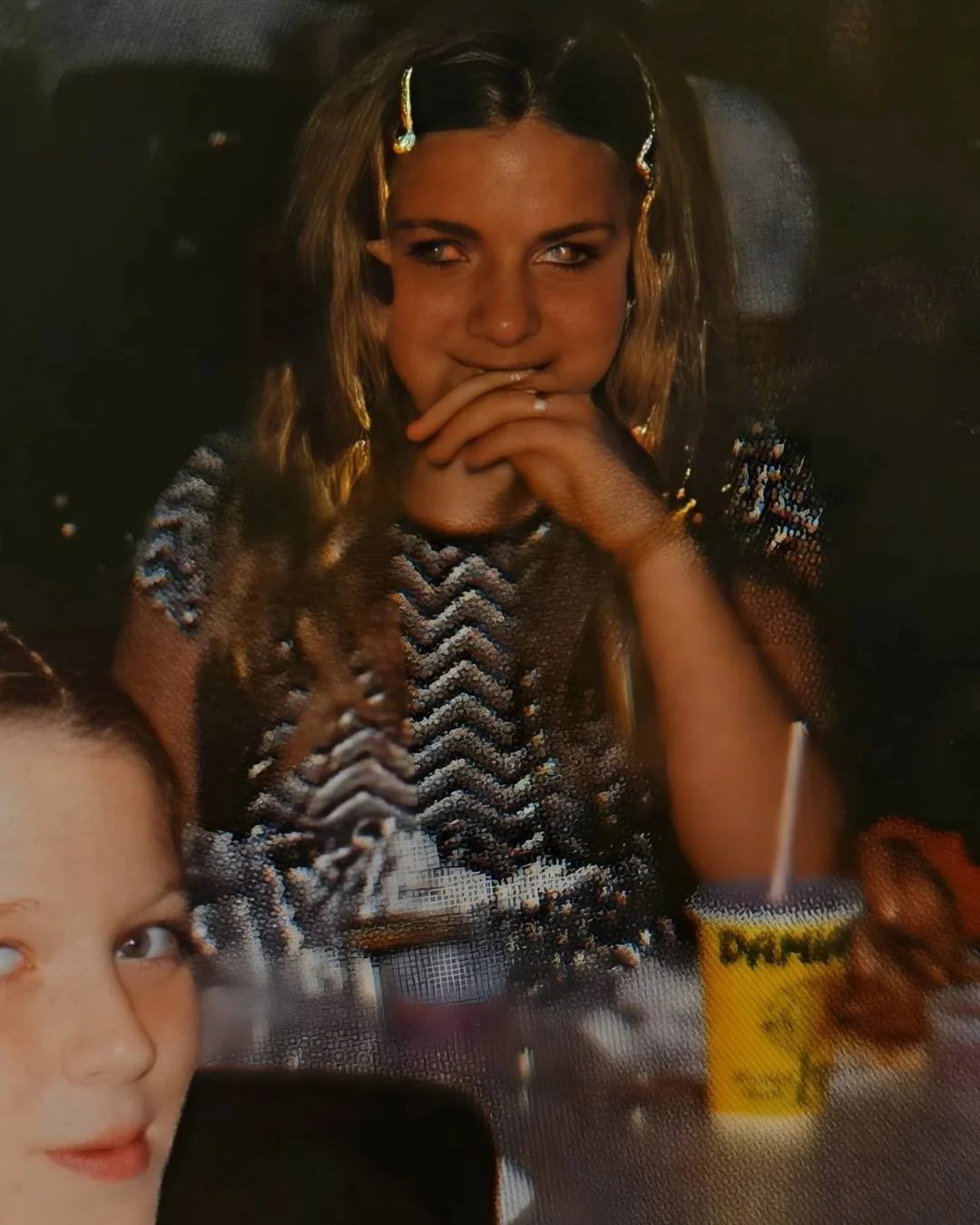
CHAPTER 6: The Last Time Bonnie Saw Her
Bonnie didn’t know about Danielle’s pregnancy, she did know Alfredo's name. Though she did not understand the nature of his relationship with her sister.
She first heard it on Sunday, September 16 – the same day she and Danielle went to Pensacola Beach for photos. The afternoon is now preserved in her memory. Afterward, they returned to Susan’s house. Bonnie overheard Danielle ask if friends could come over, including Alfredo. Susan agreed without much hesitation.
About 30 minutes later, three men arrived: Alfredo, his brother Alex, and their cousin Rowel. Bonnie clocked it immediately. She felt uneasy. The men were older, not even slightly, way older than Bonnie — which meant they were significantly older than Danielle. She definitely should not have been allowed around them.
When Bonnie asked who they were and why Danielle was spending time with them, Susan said Danielle babysat for Alfredo and described him as a good guy.
Danielle asked to go for a drive with the three men. Susan agreed to let her go. Bonnie pushed back. She argued with both her mother and Danielle, attempting to stop all of this. She tried to interrupt the momentum of it. The conversation escalated, but it didn’t change the outcome. When it became clear she would not sway them, she walked out of the house. That was the last time she ever saw her sister.
When Bonnie later learned about the pregnancy and the nature of Danielle’s relationship with Alfredo, the memory of that day rearranged itself. Bonnie and Matt were, in Bonnie’s words, “freaking out.” They were overwhelmed, confused, trying to make sense of everything they had just been told.
There’s a specific kind of shock that happens when new information rewrites an old scene. You replay it differently. You notice things you didn’t notice before. You ask yourself what you missed – even when you couldn’t have known. But you think about what you could have done to change the outcome if you had just picked up on the signs earlier.
Most of us have experienced that feeling on some level. A moment that felt ordinary at the time, and later feels loaded, like a neon sign pointing to danger. The difference here is the stakes. Bonnie wasn’t just revisiting a conversation that she wished could have gone differently, she was revisiting the last time she ever saw her sister.
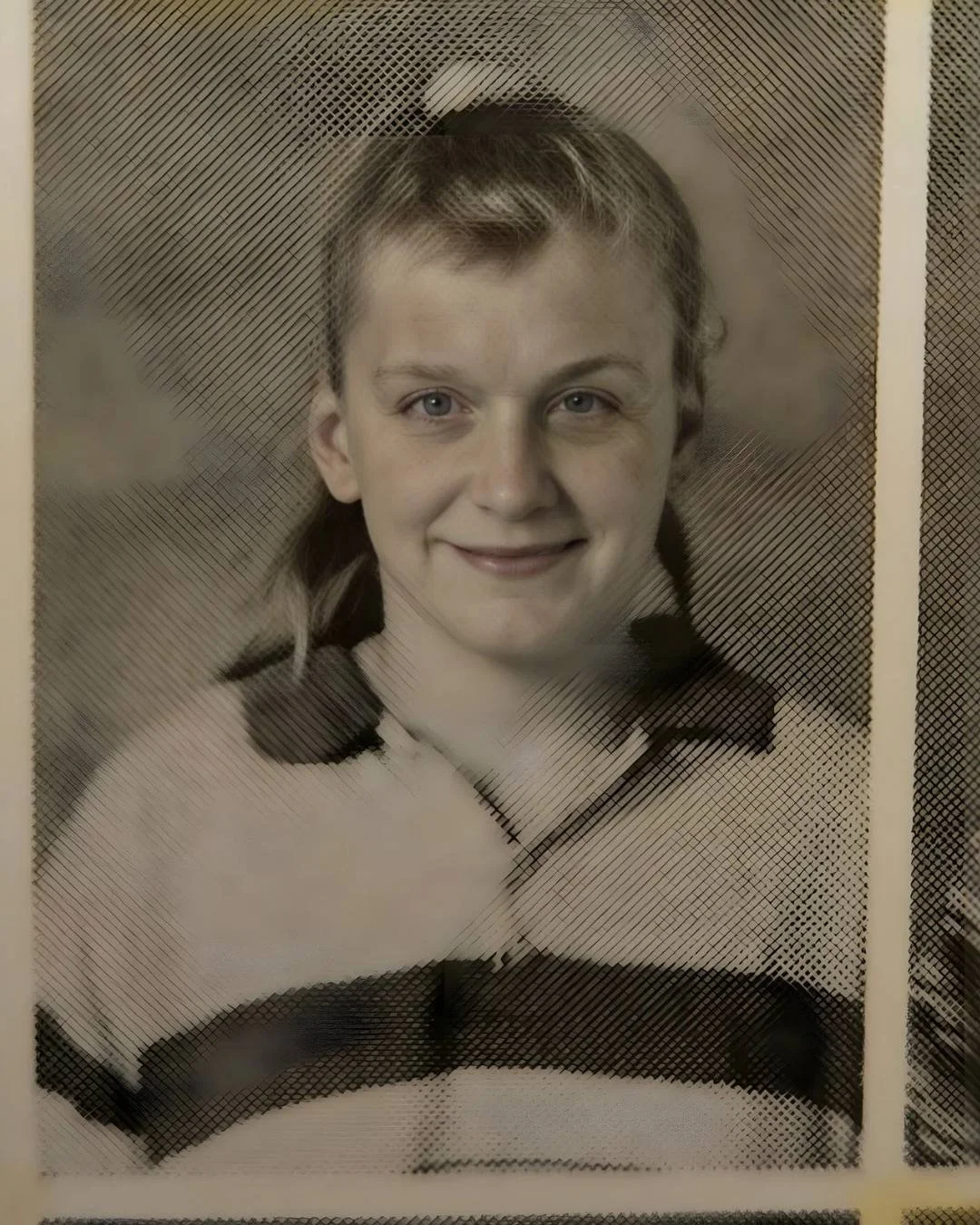
CHAPTER 7: The Hour That Matters
In the days that followed, Bonnie and Matt showed up to the command center every morning. They searched. They made calls. They revisited the same streets over and over again. Bonnie remembers her father unraveling in ways she hadn’t seen before – exhausted, crying openly, unable to steady himself. Grief was no longer hypothetical.
Then Bonnie realized something else. Her mother had not told investigators that Danielle was pregnant. That information didn’t reach law enforcement until October 3.
Detectives immediately went to Alfredo for an interview. He admitted to being sexually involved with Danielle, and said Susan was aware of everything. He denied knowing she was pregnant, and claimed he had not seen Danielle in three months.
The investigation continued. In the months immediately following Danielle’s disappearance, media coverage was limited. Reporting was sparse. There were brief segments, short articles, but no sustained spotlight.
Her family, however, did not slow down. If attention was scarce, they would generate interest themselves. They worked to keep Danielle’s name visible and assisted in raising awareness for missing children in their community.
Behind the scenes, detectives and family members focused on reconstructing Danielle’s movements in the hours before she disappeared.
On the night of September 28, Danielle attended the party at the park in Cantonment Village. At around 11:30 p.m., she left that gathering with several people to go to another party at a residence located at 588 Cedar Tree Lane. The home belonged to Robert Lewis Bassett Jr., a 26-year-old man with a criminal history dating back to more than five years. Multiple people confirmed seeing Danielle at Bassett’s party.
At approximately 2 a.m., Danielle’s friend Tiffany – whose house Danielle had told her mother she would be staying at – found her asleep inside Bassett’s home. Tiffany woke her up.
Alfredo’s brother, Alex, drove the girls to Tiffany’s house. After they reached Tiffany’s home, Danielle said she wanted to go back to the house party. Alex claimed he drove her back and left her there. After that point, Danielle was never seen again.
There is, however, another detail. At around 3 a.m., a nearby residence reported hearing gunshots in the area near Bassett’s home.
When investigators build a timeline, they aren’t assembling something solid. They’re layering fragments. Memory is unreliable, especially in rooms where people were drinking, distracted, or moving in and out. One person says 11:30, another says midnight. That discrepancy can completely change the outcome.
Not to mention, time compresses at night and when things don’t seem significant at the time, moments blur together. But when someone disappears, those blurred moments become critical.
There’s also another layer. Not everyone recounting the night is neutral. Some are protecting themselves. Some are protecting friends. Some are minimizing their own exposure. That doesn’t always mean they committed a crime, but oftentimes self-preservation kicks in quickly. What you’re left with is a narrow window – constructed from recollection rather than documentation.
In Danielle’s case, that window sits between roughly 2 a.m., when she was last seen inside the house on Cedar Tree Lane, and 3 a.m., when a nearby resident reported hearing gunshots. One hour. Sixty minutes that have been stretched and examined for more than two decades. And when the only thing separating presence from absence is that small of a gap, every detail inside it becomes salient.

CHAPTER 8: Stories Start to Shift
By December 2001, detectives wanted to speak with Alfredo again. His story changed.
This time, he said that on the night Danielle disappeared, he wasn’t at the party at all. A new version of the night emerged – one that moved him away from Cedar Tree Lane entirely. He claimed he had been at a bar with his cousin Rowel. After that, they went to Waffle House. Then home. Then bed.
Rowel confirmed that storyline when he spoke to police.
As investigators continued speaking with people connected to the party, another detail surfaced. One man told detectives he had seen Robert Bassett with Danielle the night she vanished. After sharing that information, he reported that Bassett began stalking and threatening him.
Bassett was arrested on those charges but he was never charged in connection with Danielle’s disappearance.
As months passed, the case began to lose speed.
In 2004, three years after Danielle vanished, there was a renewed momentum – a push for answers. A $5,000 reward was offered for information. The KlassKids National Search Center partnered with law enforcement to assist in the search efforts and raise awareness for missing children, including Danielle.
Over several weekends, more than 300 people and nine agencies gathered to search. They focused on a 2-mile radius around Bassett’s home – the last confirmed location where Danielle had been seen.
By that time, Danielle’s family had come to believe she was no longer alive. They were no longer looking for a girl who might walk back through the door. They were looking for remains.
Despite the scale of the searches, nothing was found. There was no sign of Danielle
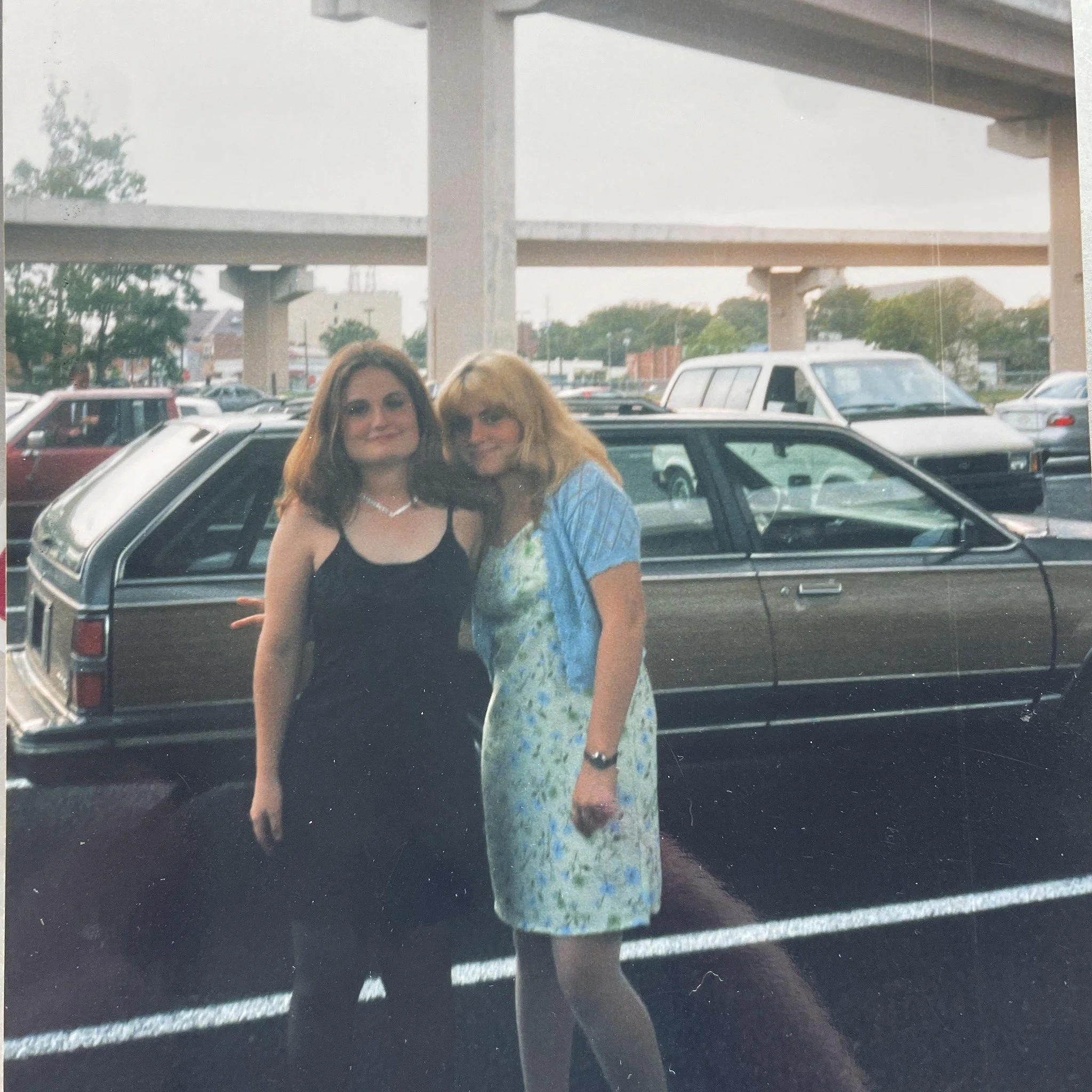
CHAPTER 9: When the Case Turned
While large-scale searches were underway in 2004, something else was happening behind the scenes. Susan began dating the lead investigator assigned to Danielle’s case. Internal affairs opened an investigation. The relationship raised obvious concerns about objectivity and boundaries. The investigator was eventually fired.
A new detective took over the case. According to Bonnie, the shift felt tangible. Communication improved. He treated the case seriously. The investigation felt active again rather than stalled in a file cabinet. Momentum began to build again.
In mid-2005, an age-progressed image of Danielle at 17 years old was released. Her case was featured on the Nancy Grace show on CNN. The Florida Department of Law Enforcement joined investigative efforts, bringing additional resources. Then, in July 2005, the case intensified.
Witnesses began challenging Alfredo’s statements to police. One woman came forward and told investigators that on the night of September 28, 2001, she had been at the home of one of Alfredo’s cousins. She said Danielle arrived there with Alfredo and Rowel. She said the three of them smoked marijuana together. That account directly contradicted Alfredo’s earlier statement – that he had not seen Danielle in three months. It placed them together the night she disappeared.
Detectives brought Alfredo back in for questioning. This time, he offered a detailed alibi.
He said he could not have been anywhere near Danielle on or after September 28 because he had been staying at the home of a woman identified in records as Laura Hill from the daytime on Friday, September 28, and remained through the following Tuesday. According to Alfredo, on the night of September 28, he, Laura, and Rowel went to a bar. Then to a Waffle House. And eventually back to Laura’s house, where they stayed for the night.
He denied being at Robert Bassett’s home or seeing Danielle Bell that night. He said he hadn’t spoken to or had any contact with Bassett since “at least a couple months” before.
When asked about Danielle, Alfredo said the last time he had seen her was at another girl’s house a “couple weeks” prior. That was not the same version he told investigators before, nor did it match up with what other witnesses were saying.
When stories change in a missing person case, investigators have to ask why. Sometimes memory sharpens over time, but sometimes it’s adjusted or rehearsed. What matters is whether it holds up under scrutiny, specifically in a court of law. In Danielle’s case, the statements were stacking but they were not aligning.
CHAPTER 10: What the Evidence Could Hold
Detectives went to Laura Hill. Her account did not support Alfredo’s alibi. She told them that on September 28, Alfredo did not stay at her place. She said he had specifically told her he would not be staying that night. According to Laura, Alfredo explained there was “something we have to do.” At the time, he was with Rowel and Bassett.
She also described an interaction that happened days later.
Laura said Alfredo came to her home appearing anxious and unsettled. During that visit, she told detectives he said his cousin had “raped some girl named Danielle.” She claimed he then instructed her that if law enforcement ever asked, she should say he had been with her the entire night of September 28. That statement shifted the investigation again.
Detectives continued speaking with more people who had information.
One man reported seeing Alfredo at the park party earlier that evening and later at the party at Bassett’s house. A few days after Danielle disappeared, he saw Alfredo and Alex Sanchez standing with Bassett in the front yard of Alfredo’s residence. That contradicted Alfredo’s claim that he had not seen Bassett in months and had not been at the parties.
Additional witnesses placed Alfredo at both gatherings with Danielle the night she vanished. All of this proved he had definitely seen Danielle and Bassett that night. Alfredo’s story had completely fallen apart. The timeline that had once been uncertain was becoming more defined – and less consistent with Alfredo’s statements.
Detectives believed he had knowledge of what happened to Danielle. But without Danielle, without physical evidence tying anyone directly to a crime scene, the case remained incomplete. There wasn’t enough to charge him. There was, however, another path forward.
In his initial October 2001 interview, Alfredo had acknowledged abusing Danielle. Now, law enforcement may have enough for lewd or lascivious battery and molestation. Detectives wanted to build a separate case for these charges. They interviewed Danielle’s friends and family. At least nine people were aware of the relationship and understood it was sexual. inappropriate and illegal relationship with Danielle. After meeting in May 2001, Danielle and Alfredo had not hidden their involvement. They were seen together publicly. Friends described open displays of affection.
By late August, friends began noticing warning signs. At one point, Danielle had a black eye. When asked what happened, she said Alfredo hit her.
At another point, one of her friends found Danielle in tears, deeply distressed and barely holding herself together. Danielle shared that she and Alfredo had ended their relationship. She also alleged that after ingesting drugs provided by Alfredo and others, she had been sexually assaulted by him and several of his friends. Those disclosures added another layer to the investigation.
Over time, detectives gathered enough corroboration to move forward with charges related to lewd or lascivious battery and molestation. It was not a homicide charge. It was not a disappearance charge. But it was something the evidence could support in court.
CHAPTER 11: What Couldn’t Be Proven
With Alfredo now incarcerated, detectives brought him in again. His position did not change. He said he was with Laura Hill the weekend of September 28. Investigators told him their findings suggested otherwise. He responded by calling Laura a liar and then redirected the conversation.
The following day, Alfredo pleaded no contest to unlawful sexual activity with a minor, lewd or lascivious sexual battery on a minor, and lewd or lascivious molestation on a minor. He was sentenced to 45 years in prison. It was accountability for the relationship. It was not accountability for Danielle’s disappearance.
Weeks later, investigators spoke to him again. Once more, he placed himself away from Danielle. He maintained he hadn’t seen her for weeks prior and insisted he had been with Laura on the 28th. His statements remained inconsistent with multiple witness accounts.
Investigators ultimately charged him with providing false information during the investigation. In their reports, they wrote that they believed Danielle had been killed and that her body had been disposed of by one or more individuals. But belief is not proof.
Without physical evidence, without a body, without a confession that could hold up under scrutiny, the case could not move forward in a significant way..
Time kept going. Years passed. By the 2010s, Bonnie’s relationship with the case, and with her mother, had changed. Her perspective had shifted. Grief has a way of evolving, so does anger. Bonnie began to question Susan’s role – not necessarily in causing harm, but in failing to prevent it. Danielle had been allowed to spend time with adult men. Boundaries were loose. Information had been withheld. And the decision to enter into a relationship with the lead investigator blurred lines further. To Bonnie, the pattern felt troubling.
It was all too suspicious.

CHAPTER 12: The Questions Turn Inward
Bonnie began revisiting the timeline. She thought back to how Susan had told her she confronted Alfredo about his involvement with Danielle two to three weeks before Danielle vanished. But Bonnie first met Alfredo on September 16 – less than two weeks before Danielle disappeared.
That gap stayed with her.
To Bonnie, it suggested that on September 16, Susan already knew Alfredo was abusing Danielle, and still allowed her to spend time with him. From there, Bonnie’s questions widened. She believes Susan was purchasing drugs from Alfredo.
In Bonnie’s view, that explains why Susan did not mention Alfredo when she first reported Danielle missing, even after being asked for names of people who knew her daughter. It explains why she did not disclose the pregnancy and why some details seemed to surface gradually rather than all at once. These are conclusions Bonnie has drawn after years of reviewing documents, re-reading statements, and replaying conversations.
Bonnie cannot forgive her mother for that. In fact, she believes it’s possible she even sex trafficked Danielle to Alfredo for drugs. She doesn’t put anything past her mom. Those are serious accusations, and Bonnie does not make them lightly.
She began reviewing the case herself. Based on what she has uncovered, she believes Susan knew Danielle planned to attend the party on September 28. She thinks Susan later denied it to avoid scrutiny. She does not want to appear complicit in the relationship between Danielle and Alfredo.
As for what happened in the early morning hours of September 29, Bonnie has her own theory. She believes that after Alex dropped Tiffany off and returned Danielle to Robert Bassett’s home, at which point when the party had thinned out, something violent occurred. She suspects Danielle may have been shot and that her body was removed from the property. That theory has never been proven, but it reflects the vacuum left behind by the absence of physical evidence.
Bonnie believes Susan then misled investigators in an effort to present herself as a better parent — and that those decisions impeded the investigation.
After forming these conclusions, Bonnie urged detectives to question her mother again – to press harder, to revisit inconsistencies. She believes they should have questioned her harder. That did not happen.
CHAPTER 13: Silence and Intimidation
In 2020, Susan died. She had struggled with drug dependency for years. At times, she relied on sex work for income. Her life was complicated long before Danielle disappeared, and it remained complicated until the end.
Bonnie’s feelings about her mother’s death are complicated. There are still questions she believes only Susan could have answered. There is grief, and there is still anger. Bonnie maintains that Danielle was not protected – that decisions made inside the home created vulnerability. Whether those decisions were intentional or negligent, she believes that failure altered the course of everything that followed.
Bonnie kept pushing. As she continued speaking publicly, she says she began experiencing harassment from individuals she believes were connected to the events of that night.
At one point, Bonnie received screenshots from a Facebook group. In the thread, Robert Bassett was arguing with a young woman. When someone recognized his name, they commented, “What did you do with that white girl, Danielle Bell?”
Bassett replied, “I put her in the hog pen where you belong.”
Bonnie forwarded the screenshots to law enforcement. When detectives questioned Bassett about the remark, he characterized it as a joke.
Bonnie later shared the screenshots publicly. She said, “He gets so angry with me every time I put his name in the media.”
Whenever Bonnie publicly mentioned him, Bassett would reach out – message her, leave voicemails, use confrontational language. He even made threats toward Danielle’s father, Matt.
Bonnie believes the harassment was meant to intimidate her – to discourage her from continuing to draw attention to his name in connection with Danielle’s disappearance..
The harassment stopped when Bassett was incarcerated on unrelated domestic violence charges.
Years continued to pass.
CHAPTER 14: Waiting on Movement
By early 2024, Bonnie and Matt felt they could not wait any longer. Danielle’s mother was gone. Danielle’s mother was gone. Years had passed. Witnesses were aging. Memories fade. Opportunities narrow.
They contacted the Escambia County Sheriff’s Office again and demanded movement in the case. They were told a panel review would be conducted. By July 31, 2024, there would be a new plan of action. July came and went. There was no update.
In September 2024, Bonnie called for an update. She was told the case was not currently an active investigation and that no additional information could be provided.
Later, the department announced that a retired detective would review cold cases, including Danielle’s. It sounded promising – a fresh set of eyes, another pass through the file. But according to Bonnie, little changed. When asked why, she recalls being told something along the lines of, “if there’s nothing to go on, there’s nothing to go on.”
Today, Danielle’s case remains open.
Bonnie’s relationship with law enforcement is complicated. Communication has been inconsistent over the years. However, the department has been more willing to work with Matt.
Bonnie and Matt are now working alongside a volunteer private investigator from Private Investigators for the Missing. They continue to follow up on tips and reexamine information.
Alfredo Sanchez remains in prison. His brother Alex is married and has children. Robert Bassett was released from prison in November 2025 and placed on probation. Bonnie says he resumed contacting her shortly after his release. He later violated probation and was returned to custody.
Through it all, Bonnie and Matt have not stopped. They know Danielle did not leave on her own. They believe she was killed. They want to find her remains and bring her home. They want accountability for anyone responsible.
They are certain someone knows more than they have said.
If you have information about Danielle Bell’s disappearance, you can contact the Escambia County Sheriff’s Office at 850-436-9620. You can also find Bonnie’s advocacy work by searching “Missing Child Danielle Bell” on Facebook.
CHAPTER 15: Frozen at Fourteen
Danielle Bell will forever be frozen at 14. She was a daughter, a sister, a cheerleader, and a girl who talked about becoming a lawyer for children who needed someone on their side. She loved the beach, her cats, and riding around town with her big sister. She was still in the middle of becoming who she was going to be.
Since October 1, 2001, her family has carried the weight of that September 28 night. They have revisited the timeline. They have replayed conversations. They have searched riverbanks, neighborhoods, and wooded areas. They have marked birthdays and holidays with an empty space that does not get easier to sit with.
They have spent more than 24 years asking the same questions. What happened after Danielle went back to that house? Who was there? Who knows the truth?
Danielle did not leave on her own and that she deserves to be found. And until she is brought home, and the truth is fully known, her family will keep going.
CREDITS:
Thanks for listening to Frozen Files a Yes! Podcast
To help this show reach a wider audience and help these victims and their families gain more attention on their cases, please follow, subscribe, rate, and review wherever you are listening. Your curiosity could crack the case.
Recorded in Los Angeles at KeyFrame Studios
This episode was produced, written, hosted, and edited by Madison McGhee
Produced by Nick Baudille
Produced, written, and researched by Haley Gray
Production design by Stephen Hauser
Creative direction by AJ Christianson
All additional sources are linked in the show notes.
SOURCES:
https://www.newspapers.com/image/268738775/?match=1&terms=%22Danielle%20Bell%22
https://www.newspapers.com/image/268606096/?terms=%22Danielle%20Bell%22
https://www.newspapers.com/image/270072070/?match=1&terms=%22Danielle%20Arion%20Bell%22
https://www.newspapers.com/image/270021509/?match=1&terms=%22Danielle%20Bell%22, https://www.newspapers.com/image/270021607/?terms=%22Danielle%20Bell%22
https://www.newspapers.com/image/270047676/?match=1&terms=%22Danielle%20Arion%20Bell%22
https://www.newspapers.com/image/269591308/?match=1&terms=%22Danielle%20Bell%22
https://www.newspapers.com/image/269590839/?match=1&terms=%22Danielle%20Arion%20Bell%22
https://www.newspapers.com/image/269594855/?match=1&terms=%22Danielle%20Bell%22
https://www.newspapers.com/image/269601563/?match=1&terms=%22Danielle%20Bell%22
https://www.newspapers.com/image/269130481/?terms=%22Danielle%20Bell%22
https://www.newspapers.com/image/269612425/?match=1&terms=%22Danielle%20Bell%22
https://www.newspapers.com/image/269517968/?match=1&terms=%22Danielle%20Bell%22
https://www.newspapers.com/image/285748696/?match=1&terms=%22Danielle%20Arion%20Bell%22
https://www.newspapers.com/image/269140258/?match=1&terms=%22Danielle%20Bell%22
https://www.newspapers.com/image/270055347/?match=1&terms=%22Danielle%20Bell%22
https://www.newspapers.com/image/269966779/?match=1&terms=%22Danielle%20Bell%22
https://www.newspapers.com/image/270710186/?match=1&terms=%22Alfredo%20Gomez%20Sanchez%20Jr%22
https://www.newspapers.com/image/269799091/?match=1&terms=%22Danielle%20Bell%22
https://www.newspapers.com/image/228186731/?match=1&terms=%22Danielle%20Bell%22
https://www.newspapers.com/image/270089200/?match=1&terms=%22Danielle%20Bell%22
https://www.newspapers.com/image/270953839/?match=1&terms=%22Danielle%20Bell%22