ERIC VELASQUEZ
COLD OPEN:
It’s late on a Sunday night in March of 1994. Most people are asleep – the new week is waiting for them, only a few hours away. Homes are dark. The streets are empty. The world has a quiet stillness to it.
A car passes every now and then. A dog barks somewhere in the distance. Through the walls of a kitchen, a refrigerator hums. Inside a small apartment complex, a few lights remain on. Someone’s just getting home from a late shift. Someone else is trying to soothe a baby that won’t settle. A TV flickers in the background of a living room that no one’s really watching.
And inside one of those apartments, a 21-year-old man is getting ready to leave. It’s nothing unusual. He’s been here before. He’ll be back again.
A quick goodnight. A short walk to the car. He starts the engine to head home to the people who love him. A routine so ordinary no one would ever think to remember it. But somewhere between that apartment door and the driver’s seat of his car, the night goes from calm to chaos. A single gunshot cuts through the quiet. There was no warning, no chance to call for help, no time for goodbyes. By morning, his mother will hear the words every parent dreads – her son was killed.
And for the next 30 years, she will be left with questions that don’t soften with time –
Who was waiting in that parking lot?
Who pulled the trigger?
And why has this case been allowed to sit unanswered?
This is the story of Eric Velasquez.
I’m Madison McGhee, and this is Frozen Files.
CHAPTER 1: The Shot No One Saw
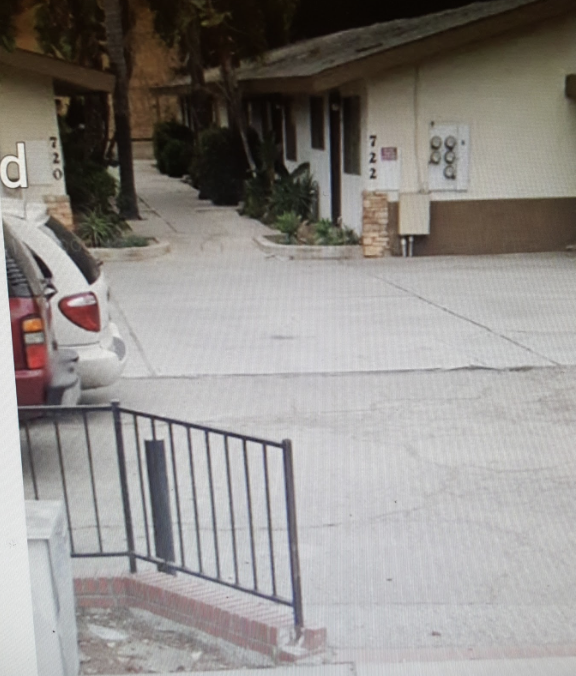
Just after midnight on March 7, 1994, a sharp sound cut through a quiet apartment complex on Ojai Road in Santa Paula, California. It wasn’t loud enough to set off any alarms and not chaotic enough to feel urgent. But it didn’t go unnoticed. A few residents paused for a second. Most people would move on. But one person doesn’t…
A man named Bino goes outside. He later tells police thought someone might have hit his car in possibly a late-night accident. Instead, as he got closer, he saw a young man lying motionless beneath the carport.
Bino called out to him, hoping for a response. There was none. He doesn’t get closer, because he doesn’t need to. He knows. He turned back toward his apartment and told his family to call 9-1-1.
Within a few minutes, police and emergency responders arrived. But by the time they reached the scene, the young man was already gone. They identified him quickly – 21-year-old Eric Velasquez.
Just hours earlier, officers had been at the same complex responding to an altercation between Eric and another man. At the time, it didn’t appear to them that it would carry into the night – nothing that would end like this.
Eric had been visiting a friend. Sometime after midnight, he left the apartment and walked toward his car, but he never made it. Investigators determined he had been shot once in the chest. A single shot at close range. Fatal almost instantly. And in that quiet carport, Eric’s life ended in a quick moment without warning. What’s left behind isn’t just a crime scene – it’s a gap: a moment no one can fully account for, a shooter no one can find, a reason no one can explain. Leaving behind a family who, from this point forward, would be forced to live inside that gap – trying to understand how something so sudden could remain so unresolved. They will spend decades searching for that resolution.
CHAPTER 2: What Followed Him Home
To understand what happened to Eric Velasquez, you have to go back a few hours. Because for his family, this part of the timeline has never felt like background information. It’s the turning point where everything starts to shift. But it didn’t happen all at once – not in a way anyone would recognize at the moment. The story builds piece by piece.
That weekend, Eric had been in La Puente visiting his girlfriend, Alicia (ah-LEE-see-ah). He wasn’t alone—he had gone there with friends, and they spent time with her family, doing the kinds of things that feel ordinary in the moment. Laughing, eating, just being together.
The plan had been simple. They were supposed to head home Saturday night. But something happened that changed that.
One of the men Eric was with was arrested. And instead of leaving without him, Eric made a decision to stay. He didn’t want to abandon his friend, so they remained in the area, waiting for him to be released. They didn’t leave until sometime Sunday.
When they finally began the drive home, Eric was still with the same group. One of them was his friend Raymond. The other, Richard, is mentioned in reports, though it’s unclear how well they knew each other.
It wasn’t unusual for Eric to do something like this – staying behind, helping someone, making sure everyone got back safely. That was the kind of person he was.
On the way back to Santa Paula, Eric made a stop at his brother’s house. He had brought a pair of shoes for his niece – who was also his goddaughter – and wanted to give them to her. It’s a small detail, but it shows his character. It tells you something about how Eric moved through the world – always thinking of others.
After that, they got back in the car and continued toward Santa Paula… and somewhere along that drive, something changed.
CHAPTER 3: A Recognizable Face
While driving through Oxnard, Eric saw a car he recognized – a white Ford Escort with a yellow bumper sticker. According to his family, that car belonged to a man who had threatened Eric with a gun months earlier.
The details of that initial confrontation six months earlier vary based on who is telling the story. The exact reason isn’t consistent across accounts. It may have started over something minor – driving too close, or possibly involving Eric giving a young woman a ride home. But the part that is constant is how the argument ended… The man pulled a gun on Eric and allegedly threatened him saying, “I never forget a face. I’ll get you.”
Eric didn’t brush it off. He told people about it. He described the man as heavyset, late teens, maybe 18 or 19. And after that, there were indications he may have encountered the same man again in recent months.
So when Eric spotted that car in Oxnard, it was chilling. Eric stopped near the house where the car was parked. One of the men in Eric’s car got out, walked up to the Escort, and smashed the window. They got back in the car, and Eric drove off.
CHAPTER 4: They Found Him Anyway
The owner of the car reported what happened. He gave police a description of Eric’s vehicle as it left the scene. At some point after that, Eric was pulled over. According to Eric’s mother, Susan, she doesn’t know exactly what happened during that stop – only that Eric and the others were eventually allowed to leave. They continued on to Santa Paula, to Raymond’s apartment.
Raymond lived with his mother and sister at the small apartment complex on Ojai Road in Santa Paula.
Unfortunately, when Eric and Raymond arrived there, the conflict didn’t stay behind in Oxnard. The people connected to that vandalized car showed up at Raymond’s apartment complex. It’s unclear how they knew where to go. When they arrived, the situation picked back up right where it left off. At least one man ran toward Eric and confronted him.
Raymond’s sister later said she saw Eric arguing with a man she described as “chunky” around 10:30 that night. At one point, she heard Eric say something to him – “You’re the one who pulled a gun on me in Oxnard.” The man denied it and said Eric had the wrong person. Eventually, Raymond stepped in. The argument was broken up. For a moment, it seemed like that might be the end of it. The men shook hands. Everyone was told to go home. About an hour later, Eric would be killed.
CHAPTER 5: The Hour in Between
After the argument ended, Eric and Raymond went back inside Raymond’s apartment. It had been a long night at that point, and they were decompressing. After they ate and talked, it seemed like the tension had passed. Inside the apartment, things had calmed down. Whatever had been building throughout the night had finally leveled out.
But not everyone involved left the apartment complex when the police got involved. At least one of the men connected to that earlier confrontation stayed in the area. Some people say he had a friend who lived in the complex. But it’s unclear.
Just before midnight, Eric got up to leave. His car – a white two-door Honda Civic – was parked under the first covered space on the south side of the complex. It was a short walk. One he had no reason to think twice about even after an argument. The night had winded down and this was the insignificant part. He will leave, get in his car, and go home.
There’s no signal, no warning, no way to know if someone has been watching where you go and waiting for you to come back out. About an hour after that argument in the parking lot – a single sound breaks through the complex. Eric Velasquez’s life ends beneath that carport.
CHAPTER 6: Before He Was a Case
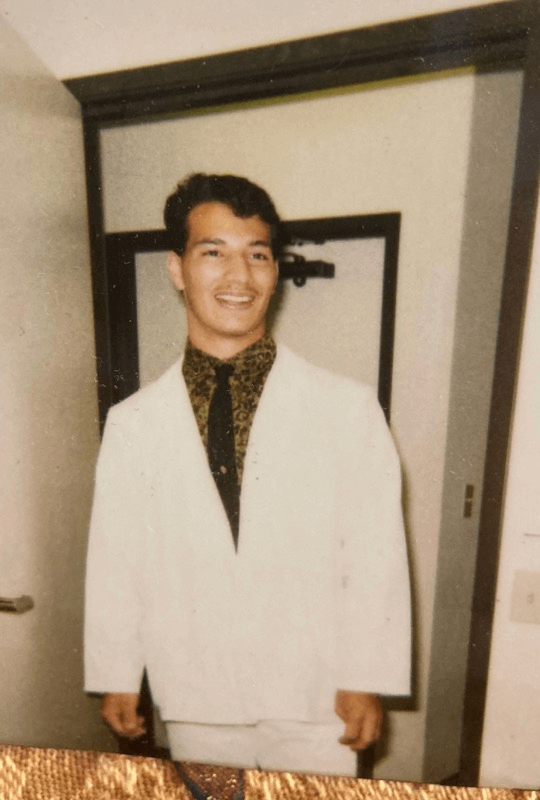
Eric Velasquez was born on September 27, 1972, in Trinidad, Colorado, a small town near the New Mexico border. By the time Eric was a teenager, his family had moved to California for his stepfather’s job, eventually settling in La Puente, in San Gabriel Valley. Home was busy and loud – four boys, close quarters, always something happening – but family was the center of Eric’s world.
He was especially close to his older brother. Just three years apart, they grew up side by side – close in age and close in life. When his mom remarried and had two more sons, there was an eleven year gap between him and the youngest boys. Eric embraced being a big brother, and he took that role seriously. He was old enough to notice what needed to be done and step up. He helped with homework, chores, and cooked dinner when his mom needed it.
Susan remembers the older boys jumping in without being asked. They just understood. That was Eric. He didn’t complain. He didn’t push back. He was happy to support the people he loved.
He met his girlfriend, Alicia, in high school. Their relationship started young but became serious quickly. She became part of the family – Susan would say she felt like the daughter she never had. It didn’t feel like a juvenile relationship. It was very real. They spent holidays together, birthdays together, evenings at her house. Their families grew close.
They talked about their future the way young couples do – possibly over zealous but seemingly tangible. They discussed their thoughts on marriage, kids, careers. They weren’t talking about a fantasy. They were building something together.
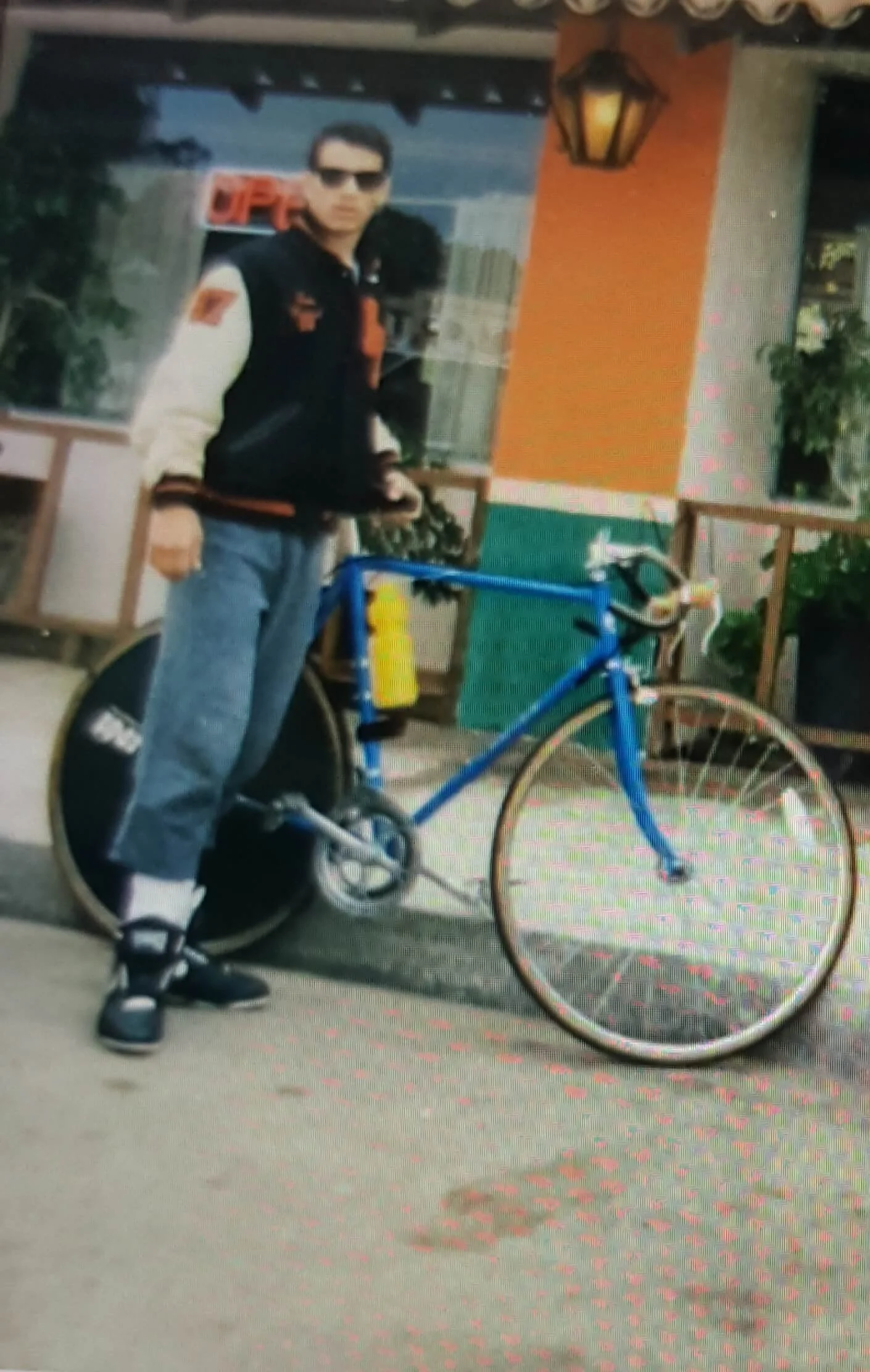
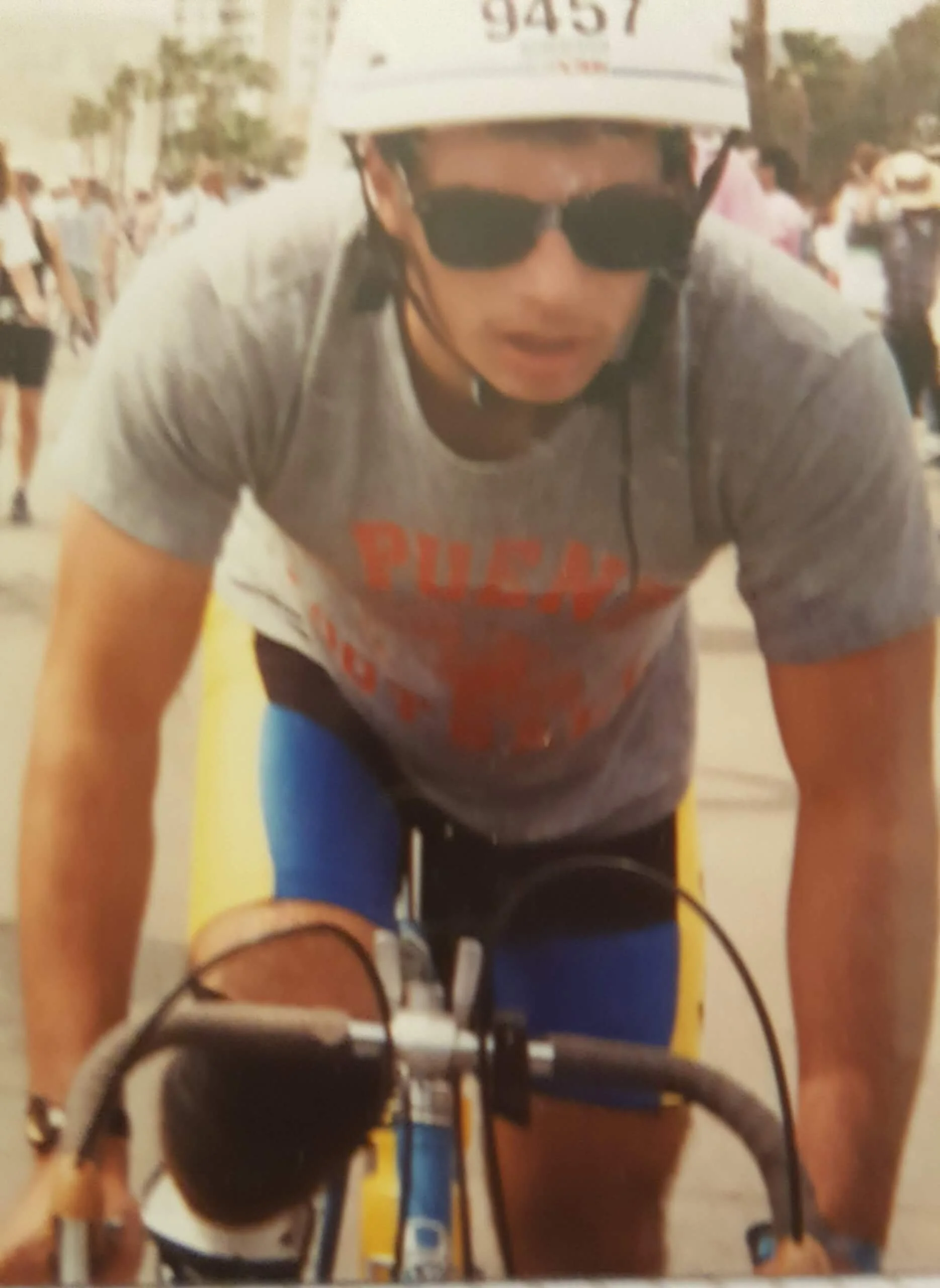
After high school, Eric moved to Santa Barbara. He took a job in the Jennier Craig office, biking miles to get to work every day. Later he bought himself a moped. Susan told us that Eric often brought home desserts from work, which I am sure was great.
Eric also enrolled at Santa Barbara City College, hoping to pursue art or business. That’s the age when you can explore your options and take risks. But when his family ran into financial trouble, Eric made a difficult decision. He went home.
By then his family had moved to Ventura, and Eric moved back into the apartment with his mom, stepfather, and younger brothers. He got a job at an In-and-Out restaurant a block from the beach. Susan told us that Eric was really excited about being so close to the beach - he loved to swim and fish.
Later he sold subscriptions for the Los Angeles Times, going door-to-door in the evenings. His supervisor said he was almost always one of the top salesmen. Eric had a way with people. He was friendly, outgoing, easy to talk to. One uncle joked, “He could sell you the shoes off your feet.”
Eric helped with the boys. He did what needed to be done so his family could get back on their feet. His goal was to help the family restabilize again. But Eric didn’t see this pivot as a sacrifice. He never complained about putting his own plans on hold. He simply adjusted to the shift.
And even living an hour and a half away, he still made the hundred-mile trip back to La Puente almost every weekend to see Alicia. If he didn’t have a ride, he took the bus. Nothing stopped him. He wanted to make it work. “Family first” was not just his mentality, it was baked into the fabric of every choice he made.
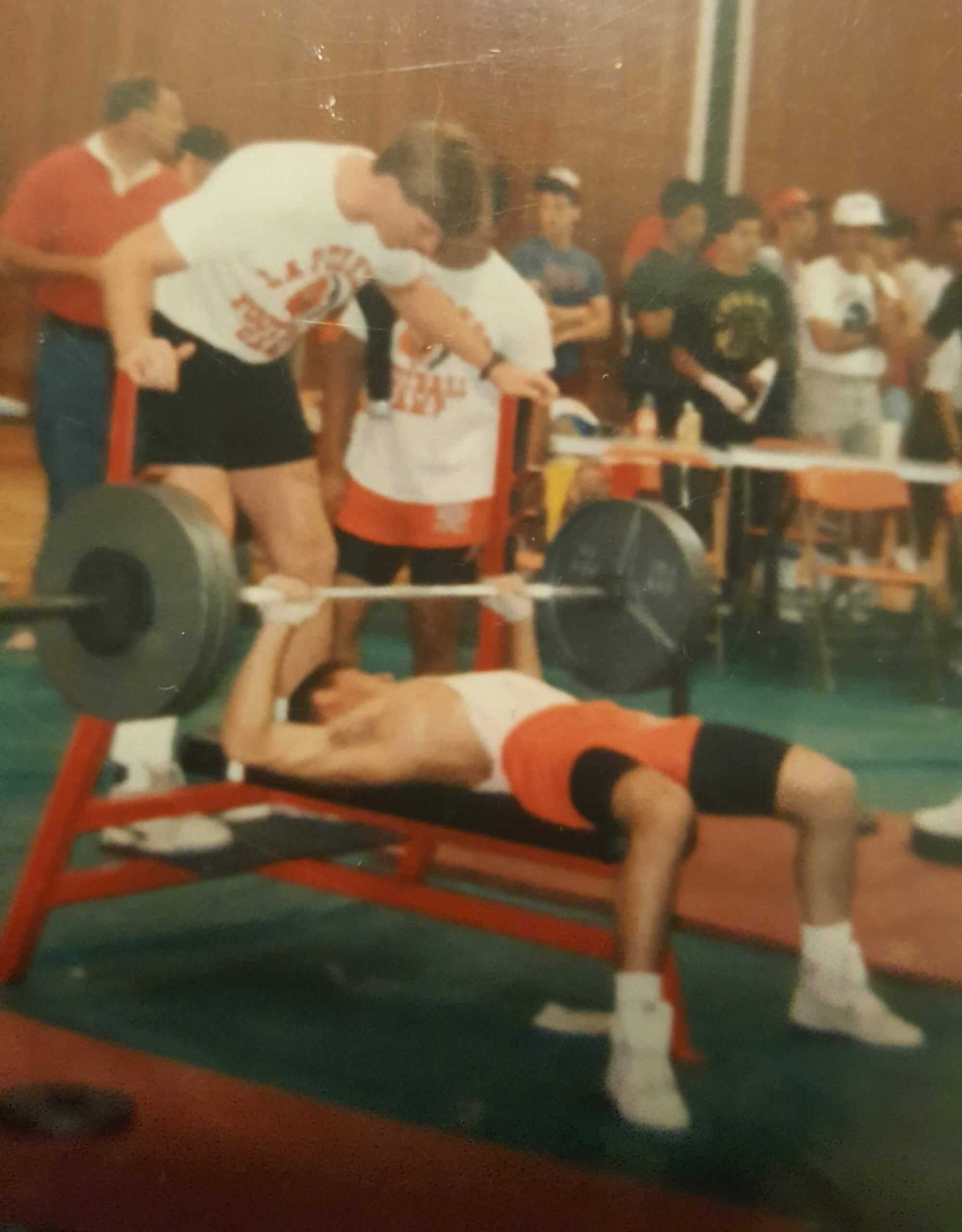
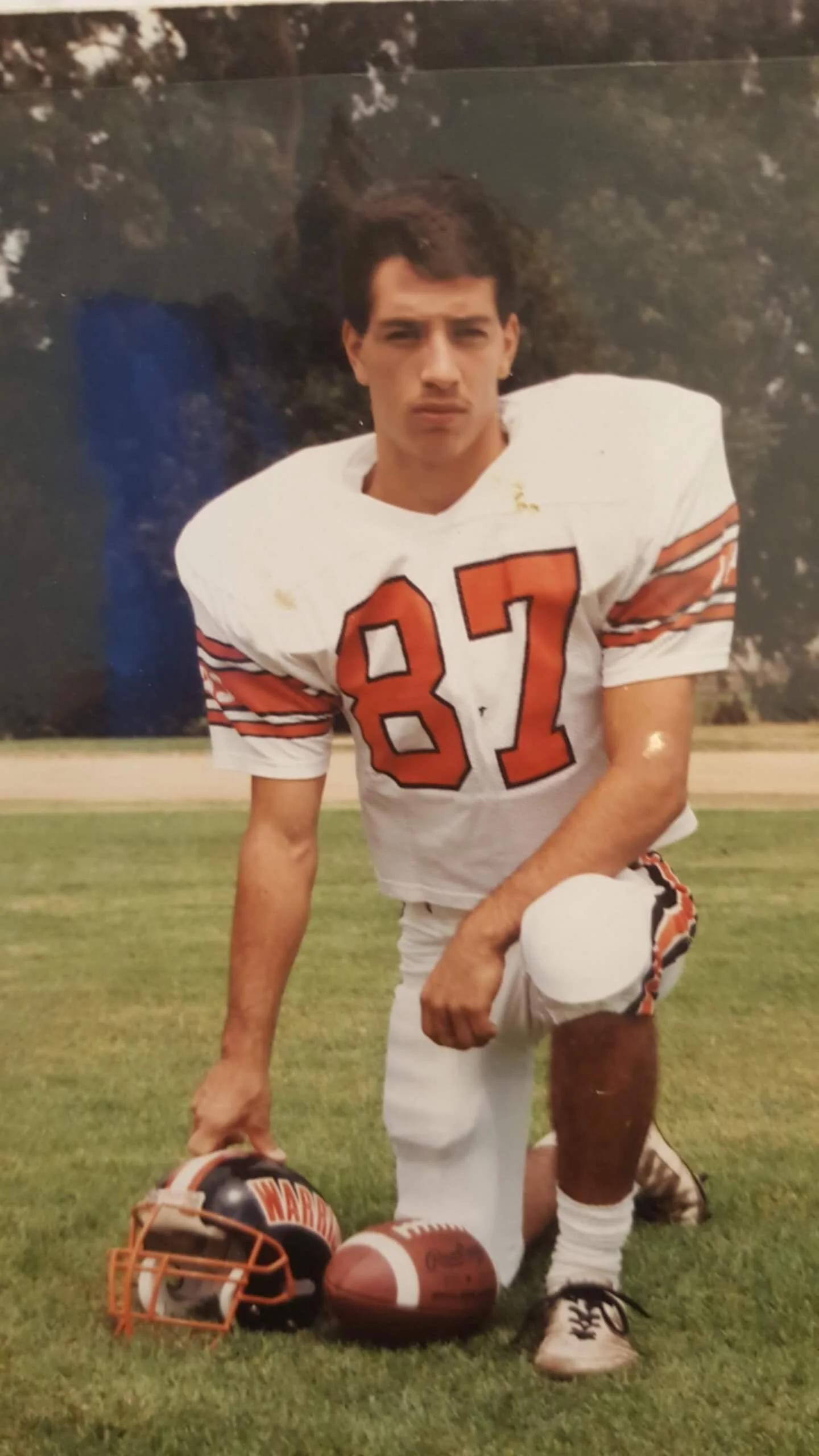
Eric had many different interests and talents. He was athletic and artistic in equal measure. As a kid, he played the flute in the band. He also ran track, played baseball, and later joined the football team. On the field, he was known for slipping through tackles – twisting away from situations that should have stopped him. His teammates gave him the nickname “Pretzel.”
His mom never missed a game. She remembers him scoring a touchdown, then immediately searching the stands to find her. “I was such a proud mother,” she said. “His name was always called.” His coaches believed he could go far in football, but Eric wanted balance. He loved the game, but he wanted to go to college, have a career, and build a full life beyond sports.
He was an artist, too. He drew for the school newspaper and earned the Bank of America Achievement Award in Art. He read, painted, sketched – quiet hobbies that balanced his busy days.
But what mattered most to Eric was family. Every payday, he would take his younger brothers out for Mexican food – his favorite – just to treat them. He organized family dinners. He stayed close with his siblings even as life pulled them in different directions. Keeping everyone connected was a priority for him, and his family would say he was the glue.
Susan described him simply: “He was an amazing son. Very caring. Very grateful. I’m just so proud of raising him because he was strong and just the kindest boy.”
By the start of 1994, Eric’s family was in a much more financially secure place. They were ready to send him back to college. But tragically, he didn’t get the chance.
At 21, Eric hadn’t reached his full potential. He had plans for his life, to finally become the person he wanted to be. He was planning for school, his career, a future with Alicia, and for his family to feel steady and secure. He was staring straight into a life of promise, full of possibility. And for Eric, there was direction and momentum. But most importantly… there was time.
And to the people who loved him, Eric wasn’t defined by just one of his interests or dreams. He was a son they were proud of, a brother they leaned on, a partner building a future, a steady presence in a busy home full of boys. That’s why, when Eric’s life was taken so suddenly, the loss wasn’t just the weight of his absence. It was the loss of the future his family had imagined with him.
CHAPTER 7: What Wasn’t Seen
The police didn’t go to Susan first. They broke the news of Eric’s murder to his older brother. And then his brother had to do the unimaginable. There’s no preparation for that, no way to say it that softens it. He had to walk in and tell his mother that her son was gone.
Detectives started where they always do. They canvassed the complex, knocking on doors and asking questions. But as they were trying to piece together what happened in the parking lot, they ran into a familiar problem. This was a small apartment complex – the kind of place you’d expect someone to notice something that was out of the ordinary. It’s also the kind of place he Yet many neighbors said they didn’t even realize a shooting had happened. They hadn’t heard an argument or gun shots. No one said they had seen anything unusual.
A few people said they heard something – but it didn’t register. They thought it was fireworks or a car backfiring, something that didn’t require them to get up and look outside.
People described the apartment complex as quiet and safe. Not the kind of place where something like this happens. But that kind of environment can be deceiving and work against an investigation.
Because when something violent interrupts a place that feels normal, people don’t always recognize it for what it is. The first clues are often missed, or ignored, or never reported at all.
And by the time it registers… the moment is gone.
At least one witness noticed something. Someone reported hearing a loud pop sometime between 11:30 p.m. and midnight – something he compared to an M80 firecracker. He went to the window right away, and saw a man running from the direction of the carport. He described him as a Hispanic male, between about 5’8” and 6 feet tall, roughly 130 to 150 pounds, wearing a white T-shirt and blue work pants.
The man ran to the passenger side of a vehicle parked under a streetlight. The witness described it as a dark blue or brown Chevy Blazer, and then the car drove away. That’s it. No plate number. No clear look at the driver. No way to follow it once it left.
Just a direction, a general description, and a moment that passed quicker than it could be explained.
CHAPTER 8: No Weapon, No Trace
Police towed Eric’s vehicle to examine it for fingerprints or other evidence, but later it was determined there was nothing usable. They also conducted a walk-through of the scene, searching for the weapon or anything else that might have been left behind. They were looking for anything that might have been dropped, discarded, or overlooked. After searching the surrounding spaces, nothing was found – no gun, no physical evidence tying a suspect directly to the shooting.
As investigators widened the scope. They didn’t just look at the scene, they looked at the timeline. Detectives started going backwards, retracing Eric’s steps from that weekend, trying to understand what led up to the moment he was killed.
It started with the weekend, then moved into the drive back from La Puente. They spoke with Alicia, Eric’s girlfriend, and they contacted people in town, because Eric had attended a party there over the weekend. But what kept coming up, over and over, was that Eric didn’t have a long list of enemies. He wasn’t involved in drugs. He wasn’t involved in gang activity.
But there was something. The same issue that had followed him for months. That person, or group of people, connected to his earlier confrontation. From the beginning stages of the investigation, police publicly suggested they believed Eric may have been the victim of a “revenge slaying.” The people closest to him, and to that weekend, all agreed.
Friends and family told police about the ongoing problem that had been hanging over Eric for months. They believed Eric had been shot by the man involved in the months-long dispute, especially given the argument earlier that night. Eric’s brother told investigators that Eric had been worried. Worried enough that he asked whether he should buy a gun to protect himself – and his brother said he knew it was serious, because Eric hated guns.
But Eric also didn’t want their mother to know. He made his brother promise not to tell her. And that tells you how Eric was carrying this fear. He carried it quietly and privately. He didn’t want to escalate it or make it bigger than it already was. He was trying to manage it and not scare the people he loved.
And that detail is easy to miss, but it matters because Eric wasn’t someone who liked guns. So for him to even ask that question… it says something. Not necessarily about what he thought would happen, but about how he was feeling. The situation had intensified. Whatever he was dealing with didn’t feel completely behind him and it didn’t feel small. The fact that he kept that to himself, and didn’t want his mom to know means he was carrying that fear all on his own, trying to manage it without making it bigger than it already was.
Sometimes we are in positions where our gut is saying something and we are at a crossroads – are we just being overly cautious or dramatic… or is our body and mind telling us that there is something wrong? The level that this had escalated to in Eric’s soul, was clearly extreme, even if he was trying to play it off like he didn’t think it was a big deal. That instinct can change a circumstance drastically. Clearly, it was trying to protect Eric from tragedy.
CHAPTER 9: The Gap
Police Commander Mark Hanson later confirmed that officers had interacted with Eric earlier that evening. They’d been told a car tied to a “vehicle vandalism” incident was at the complex. But Eric’s family has never seen a police report documenting that call or the altercation that followed. As far as they know, no report was ever made.
This creates a gap in the story. And for his family, that gap has never been explained. On the same night that Eric was killed, there’s a portion of the timeline that isn’t formally recorded. They still don’t know exactly what happened or what would have sparked such an escalation.
According to Susan, one officer later said he stayed in the area of the apartment complex for about 30 minutes after the altercation to make sure there were no further issues. But there’s no record placing him there during that time. Based on what we know, the shooting likely happened within that same window.
Despite all of this, the lead detectives told reporters that just because Eric had an ongoing issue with someone “doesn’t necessarily mean that the guy shot him,” adding, “This is not as simple and cut-and-dried as some folks would like to try to make it.”
And to be fair – he’s right. Suspicion isn’t enough. Investigators can’t arrest someone based on what feels obvious. They need proof, something they can stand on. And that’s where cases start to stall. When you can’t rely on physical evidence or forensics, these cases are dependent on people coming forward. And in this case, they didn’t.
Unfortunately, police have struggled to get anyone to give them groundbreaking information. In at least one account, investigators told reporters they had not heard from witnesses – that people were reluctant, possibly afraid of retaliation. When a person is turning on someone who has potentially killed someone else, that level of fear changes what they are willing to say.
This is where cases like Eric’s get trapped. If the people responsible are known – or at least suspected – and the community believes they’re dangerous, the fear becomes its own kind of shield. People don’t want to be the next target. They don’t want their family pulled into it. They don’t want to be the person who “snitched.” The result is that the truth gets buried, and not because it isn’t known, but because it’s too risky to say out loud.
There’s a difference between a case with no direction and a case where people know more than they’re saying. That’s what makes this so hard to sit with. It’s not that there’s nothing here and it’s difficult to see a clear connection.
It’s that there are people who know more than they’ve said. People who were there. People who heard things. People who’ve put pieces together over time. And for whatever reason they’ve stayed quiet. Whether that’s fear, loyalty, or just distance after all these years, that’s what keeps the case in the same place.
One of the worst things a family can hear is that people know exactly what happened to their loved one, but no one is going to do anything about it. It’s the most frustrating experience. All you want is closure and answers, but you’re forced to live in limbo.
Because when information exists but doesn’t move, the truth stays frozen just under the surface.
CHAPTER 10: Silence
Susan kept pushing. In 1995, Eric’s family offered a $1,000 reward, hoping it would shake loose something – a tip, a name, a conscience. But the same theme continued to surface: silence.
Then information started to surface. At some point, Susan was told police had located the gun that killed Eric in Los Angeles – but the details of that recovery or what was learned from it have not been made public. Police have said there may have been as many as four suspects involved. Susan says her family believes they know who those four people are.
Later documents connected to the case described potential suspects as documented gang members – men that investigators believed were connected to multiple gang-related murders in and around Santa Paula. And yet, no arrests have been made.
Susan has been clear about what she wants: She wants justice for her son. She wants his killer off the streets. And she’s also voiced the fear that never really leaves a family after a murder that is unresolved like this – whoever did this could do it again.
When you step back and look at Eric’s case, you see a young man who wasn’t living a reckless life. He was working. He was helping his family. He was trying to build a future.
The people who really knew him say the conflict that followed him wasn’t something he sought out – it was something that found him, and then wouldn’t let go.
This case is solvable. There is a direction to follow and suspects whose names have come up repeatedly. But it requires the one thing that’s been missing for decades:
A statement. Someone who knows what happened, the shooter, or someone close to him, to come forward and say what they know – clearly and on the record.
CHAPTER 11: Thirty Years Without Answers
In the years since Eric Velasquez was killed, his family has refused to let his name fade into the background. Susan has spent more than thirty years waking up every morning without her son. Thirty years of birthdays without him. Thirty years of wondering who knows the truth… and why they haven’t said it.
Eric should be in his fifties now. He should be a husband, maybe a father. Instead, his life and legacy froze at 21. Because Eric’s case has gone cold. It remains open – but inactive. Susan was told that there is not enough manpower, not enough resources, to put into his case. Police acknowledged that despite decades of coverage, no one has ever come out with information that could move the case forward.
In 2022, California Governor Gavin Newsom announced a $50,000 reward for information leading to the arrest and conviction of Eric’s killer. But a reward doesn’t solve anything on its own. It only works if someone is willing to speak. And Susan keeps asking for that. She keeps sharing Eric’s story anywhere someone will listen.
What she needs is simple. She needs people to keep talking about Eric, to keep his name visible, to keep the pressure where it belongs – not on the family, but on the truth. I’m happy to be helping with that effort. There are ways you can help, too.
For more than thirty years, someone has known exactly what happened to Eric Velasquez. Someone knows who pulled the trigger. Someone knows who was there. And until that truth is spoken, Eric’s story isn’t finished.
When you look at Eric’s case, it doesn’t feel like something impossible to solve. It feels close. There are names. There are moments where things almost connect. There are people who were there that night.
And yet – thirty years later –it’s still sitting in that same place. Waiting.
I think about what it takes for a case like this to move forward… and how often it doesn’t come down to some new piece of technology or a sudden break. It comes down to a person.
Someone deciding that whatever they’ve been holding onto – fear, loyalty, distance, time – doesn’t outweigh the truth anymore. Because for Eric’s family, this isn’t something that faded with time. It didn’t get easier. It didn’t get quieter. It just became something they learned to carry.
The weight of that doesn’t belong to them. It belongs to whoever knows what happened… and hasn’t said it.
If you have any information about Eric Velasquez’s murder, you can contact Ventura County CrimeStoppers at 800-222-8477 or Angels of Justice at Angels of Justice dot org. A $51,000 reward is available. Share his story and help make this case as visible as possible.
Even something that feels small – a memory, a rumor, a detail you once dismissed – could make a difference. This case is solvable, and Eric deserves justice.
CREDITS:
Thanks for listening to Frozen Files a Yes! Podcast
To help this show reach a wider audience and help these victims and their families gain more attention on their cases, please follow, subscribe, rate, and review wherever you are listening. Your curiosity could crack the case.
Recorded in Los Angeles at KeyFrame Studios
This episode was produced, written, hosted, and edited by Madison McGhee
Produced by Nick Baudille
Edited by Alexander Soltis
Produced, written, and researched by Haley Gray
Research and written by Nikki Heyman
Production design by Stephen Hauser
Creative direction by AJ Christianson
All additional sources are linked in the show notes.
SOURCES:
https://www.newspapers.com/image-view/156750164/?match=1&terms=velasquez%2C%20eric
https://www.newspapers.com/image-view/934690124/?match=1&terms=velasquez%2C%20eric
https://www.newspapers.com/image-view/934689243/?match=1&terms=velasquez%2C%20eric
https://www.newspapers.com/image-view/934676597/?match=1&terms=velasquez%2C%20eric
https://www.facebook.com/photo/?fbid=1406407168153902&set=pcb.1406407201487232
https://www.newspapers.com/image-view/927608658/?match=1&terms=velasquez%2C%20eric
https://www.newspapers.com/image-view/929093504/?match=1&terms=velasquez%2C%20eric
Murder Diaries podcast: https://podcasts.apple.com/us/podcast/the-murder-diaries/id1475609603?i=1000705648084
https://www.newspapers.com/image-view/155582498/?match=1&terms=velasquez%2C%20eric
Request for Governor’s Reward, Santa Paula Police Department
Case Report, Santa Paula Police Department