TRISH HAYNES
COLD OPEN
Sandi Tewksbury knew her granddaughter’s voice. She knew when she was excited. She knew when she was hiding something. She knew when she was trying to sound stronger than she actually felt.
For years, Trish called her regularly. They shared long conversations, rambling stories, and small updates about the day. The kind of calls that didn’t always have a point. But that spring, things felt different.
At first, it was the phone. Trish said hers had been stolen. After that, every call came from a different number – someone else’s phone. And someone always seemed to be nearby.
If Sandi asked where she was staying, the answer was vague. If she asked when she was coming home to Florida, the subject changed. If she pressed too hard, the call would end – “Battery’s low. I have to go. I’ll call you later.”
Sandi tried to tell herself she was overreacting. Trish was twenty-five. She was an adult, independent, figuring out life the way most young people do – on their own. She told herself, Trish would be home soon. Still… when she hung up, something lingered.
The pauses were longer. The warmth in her voice felt thinner. It was as if she was choosing her words carefully. Sandi didn’t know she was listening to her granddaughter slowly disappear. But one day…the calls stopped altogether.
This is the story of Trish Haynes.
I’m Madison McGhee, and this is Frozen Files.

CHAPTER 1: She Never Left New Hampshire
In the spring of 2018, 25-year-old Trish Danielle Haynes was living in Grafton, New Hampshire.
This wasn’t her permanent home. She had traveled there to resolve a misdemeanor court matter. She planned to return to Florida as soon as it was finished. She never did.
On May 16, Trish’s grandmother, Sandi Tewsbury, heard her voice for the last time. After that call, communication didn’t completely stop, but changed. Messages came from other people. Phone calls came from unfamiliar numbers. Whenever family members tried to ask questions, the answers were inconsistent.
Weeks passed. Family members were told Trish had gone to Vermont with a new boyfriend. They were told she wanted space. They were told she might be in jail. Each explanation sounded plausible enough on its own, but together, they didn’t line up.
Eventually Trish’s aunt decided to do some digging. She contacted the court directly to ask about the case Trish had supposedly traveled north to resolve. That’s when she learned something no one in the family expected. Trish had never shown up for court. By early July, nearly two months had passed without anyone hearing directly from her.
On July 6, 2018, Trish was officially reported missing. What investigators would eventually uncover made the situation far more disturbing. She had never left New Hampshire at all. In a pond, less than a mile from where she was staying in Grafton, New Hampshire, they found a washing machine submerged. Inside, were partial human remains later identified as Trish Haynes. The autopsy would estimate she had been killed in May – the same month her family stopped hearing from her.
To this day, no one has been convicted in Trish Haynes’ murder. And the people who last saw her alive have never publicly explained what happened inside that house in Grafton.

CHAPTER 2: What Made Her Vulnerable
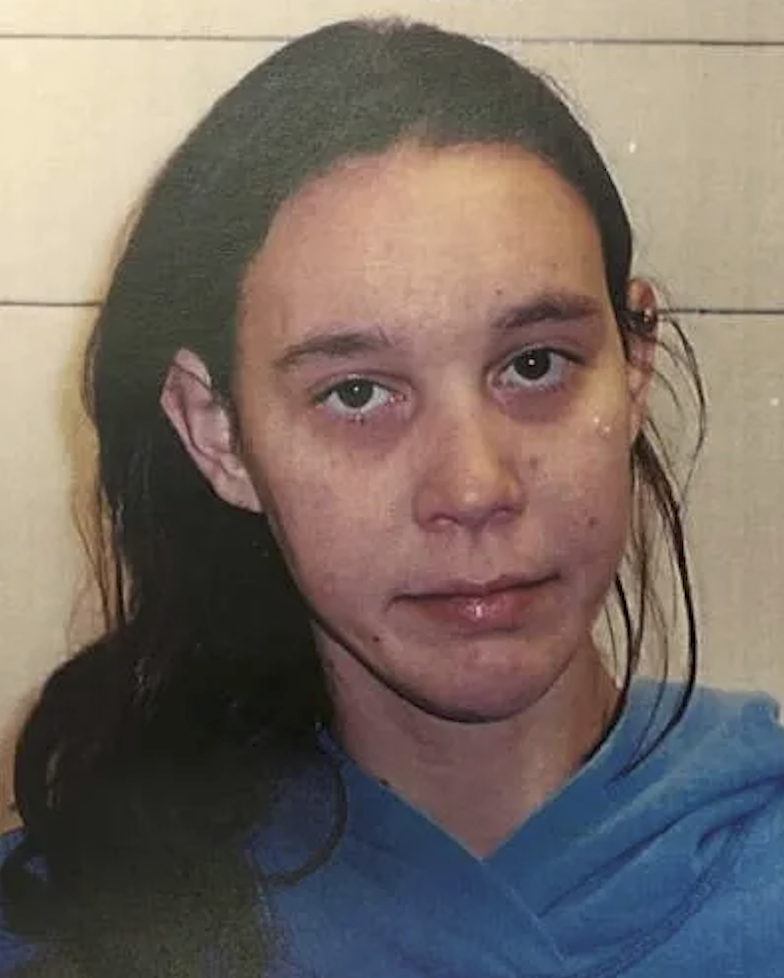
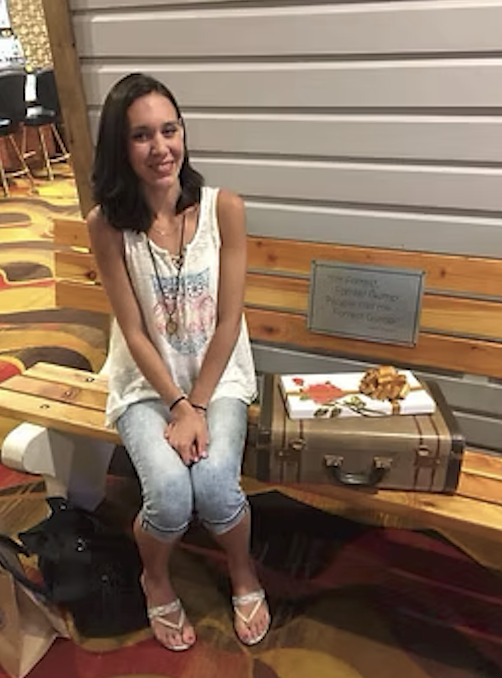
Trish Haynes was a daughter, a granddaughter, a cousin – someone deeply loved by the people around her. Now her story is defined by a headline. But she is more than a missing persons case or a homicide victim.
Trish Danielle Haynes was born on July 22, 1992, in Stuart, Florida, to Megan Haynes and Toby Duran. Megan was only 15-years-old when Trish was born. Her parents’ relationship was unstable. When Trish was still very young, Toby died from health complications.
Trish’s early life was difficult. When she was 3-years-old, her maternal grandparents, Sandra – known as Sandi – and Steven Tewksbury were granted custody. Even before that, Trish spent most of her time with them. Sandi later said, “We were her constant. She could always depend on us.”
Another steady presence in Trish’s life was her great-aunt, Valorie – someone who felt less like an aunt and more like another grandmother.
Sandi never wanted to keep Trish from her mother. She asked Trish to call her “Grammy” making sure Megan could always be “Mom.” They encouraged visits and kept the door open, hoping Trish would know she was loved, even if her mother couldn’t always be there. But that didn’t erase the pain.
There were times when Trish would wait for her mother to visit – and she wouldn’t show up. Other times the visits were brief, rushed, with one eye on the clock. For a child, those moments left deep emotional scars that wouldn’t fade.
Still Sandi and Steven did everything they could to give Trish the kind of stability every child deserves. They tried to build something steady around her – something that could hold together even when other parts of her life felt fragile.
As a child, Trish had a bright, playful personality. One of Sandi’s favorite memories was watching Trish prance around the house in her high heels, changing outfits again and again, and coordinating every detail, making sure everything matched perfectly. She loved fashion. She dreamed of modeling. If someone had a camera, Trish wanted to be in front of it – posing, laughing, asking for just one more picture until she got it right.
Another time, a neighbor invited her to go frog hunting. Trish happily joined – white dress, white tights and all. By the time she came home she was completely covered in mud, laughing like it was the best day she’d ever had. There were so many moments like that. The family holds onto those.
At one point, Sandi found a small note tucked away in a drawer. It simply said: “I love you, Gram.”That was Trish – kind-hearted, loving, and thoughtful.
Her cousin Carey-Ann said Trish never missed a birthday or holiday. She always reached out, always made sure the people in her life knew she cared. Family members described her as trusting – sometimes more trusting than the world deserved. Trish believed in people. She looked for the good in them, even when it wasn’t always returned.
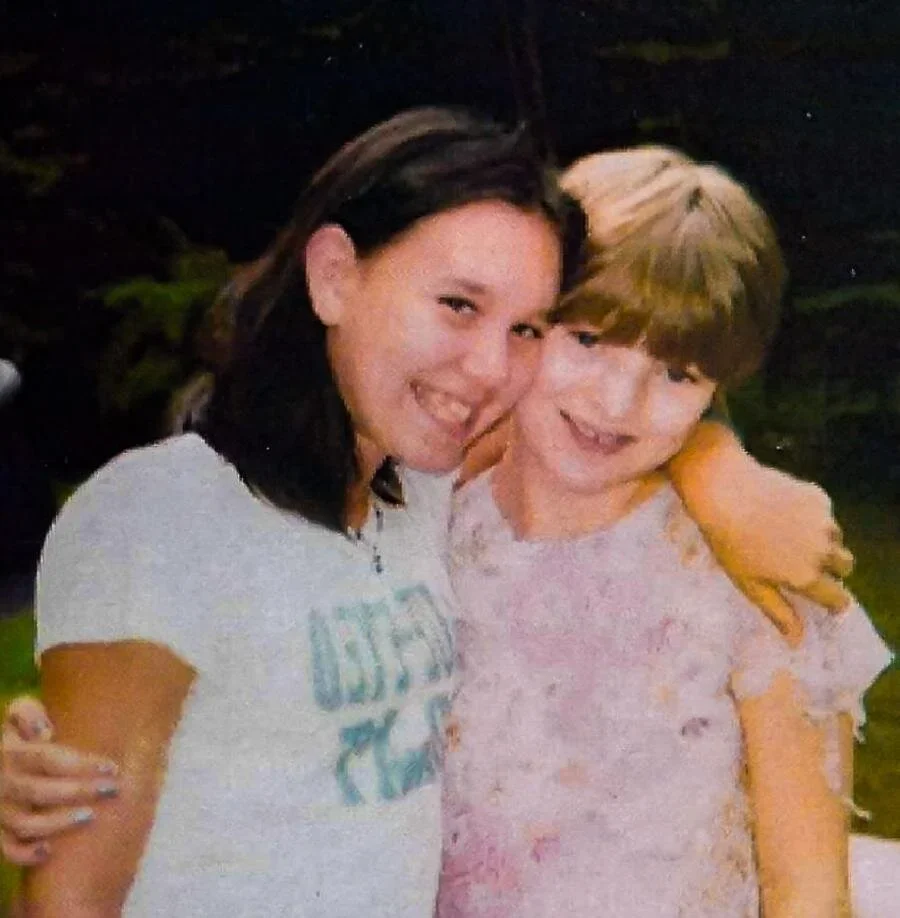
As a child growing up in New Hampshire, Trish met a girl named Ashley Ruff. According to Trish’s family, Ashley could be difficult – sometimes even a bully. Sandi worried about the friendship and encouraged Trish to keep her distance. But Trish’s kind nature made that hard. She wanted to see the best in people, and believed that they could change. Despite the concerns around her, she continued spending time with Ashley.
At the time, no one could have known how important that relationship would later become. Eventually, as Sandi and Steven grew older, they moved back to Florida to escape the harsh New Hampshire winters. Trish went with them, staying close to the people who had always been her foundation.
Through everything she experienced growing up, Trish remained loving, forgiving, and loyal. She was someone who wanted to belong, to trust freely, and believe in the good in people. Those qualities – the ones that made Trish who she was – may also have made her vulnerable.
CHAPTER 3: A Place to Stay
In 2014, while living in Florida, Trish met a man named Chris. They began dating, and their relationship lasted about three years. From the start, her family had reservations about the relationship. Chris had recently been released from prison, and they worried about his influence on Trish. But Trish believed in people, and she believed things could get better.
When Chris told her he had a job waiting for him in New Hampshire, Trish agreed to move with him. He took a job at a restaurant in North Woodstock, and shortly after moving she got a job washing dishes there. She also picked up shifts as a housekeeper at a nearby resort. She was trying to build a life. But over time, the relationship became abusive.
Family members noticed bruises when they saw her. Coworkers also saw injuries. Chris was controlling. He had the only car, and Trish didn’t drive, so she often had to walk long distances to work. At one point, Trish shaved her head. She told her family it was because of lice. Later, they learned she had been pressured into it. People tried to help her. Employers noticed the injuries and encouraged her to leave. Friends tried to help. But leaving an abusive relationship is rarely simple.
In 2017, after years of violence, Trish finally reported Chris to police. When he realized he could be sent back to jail, he pressured her to withdraw the complaint. Trish relented. She recanted her statement. Police warned her that doing so could result in charges for filing a false report. Ultimately, that’s exactly what happened. Trish was charged. After that, she returned to Florida and moved back in with her grandparents. She was trying to start over and reset her life.
Then, in early 2018, Trish went back to New Hampshire for a court date related to the false report charge. She told her family she wanted to take care of it and get it resolved so that she could move forward with her life. She didn’t want anything hanging over her head. Her family didn’t want her to go. But Trish believed she needed to take responsibility and close that chapter.
After she went back to New Hampshire, her court date was postponed… then postponed again. She planned to stay with a friend named Becky on a farm in Rumney, New Hampshire. At first it seemed like a good solution and in the beginning, it was fine. But the farm was remote. There was no cell service, and Becky worked long hours.
Trish wanted to be closer to town. So she reached out to a childhood friend she had known for years – Ashley Ruff, now Ashley Smith – and Ashley’s husband, Doug. They offered her a place to stay.
Sandi says Trish hesitated. She knew her grandmother didn’t trust Ashley. She even told a friend, “Maybe I shouldn’t go there.” But Trish always tried to see the best in people. She thought Ashley had grown up, that things would be different now.
It’s easy to focus on the decision Trish made to move into that house in Grafton.
And when we look back at cases like this, hindsight has a way of making everything seem obvious. People hear the names involved, they hear about the environment around that property, and the instinct is to ask the same question over and over again: Why would she go there?
But the truth is, life rarely unfolds with the clarity we have after the fact.
Trish wasn’t looking at that house through the lens of a future investigation. She wasn’t seeing headlines or evidence photos or timelines the way we are now. She was just trying to get through a difficult chapter of her life. She was trying to resolve a court case that was hanging over her head. She needed a place to stay while she waited for the legal process to play out. And she reached out to someone she had known for years. Even with a cloudy past, there is comfort in the kind of familiarity you feel with someone you’ve known that long.
The truth is, Trish’s decision was incredibly human. Most of us have done the same thing at some point in our lives. We’ve given people another chance. We believed someone had changed. We convinced ourselves that the past shouldn’t define who someone is today.
For Trish, that hope – that belief in people – had been part of who she was for as long as anyone could remember.
On January 28, Becky dropped Trish off at a gas station in Canaan, New Hampshire. Ashley and Doug picked her up and drove her to their home in Grafton. It was a house surrounded by several acres, with outbuildings, woods, and long stretches of rural road. And from that house in Grafton, the timeline of Trish’s final days begins.

CHAPTER 4: Inside The House
To understand what investigators would later uncover, it helps to understand the people who surrounded Trish during her final months in New Hampshire – including her longtime acquaintance, Ashley Ruff, and Ashley’s husband, Doug Smith.
Ashley Ruff was born to Wendy and Bryon Ruff. By many accounts, her childhood was difficult. Family members and community reports describe a home marked by chaos. Ashley’s mother, Wendy, was said to struggle with mental illness, and neighbors later described frequent conflict within the household.
In August 2005, when Ashley was still a teenager, state inspectors condemned the Ruff family home after finding unsafe and unsanitary living conditions. Reports described trash and animal waste throughout the house, very little food for the children, and dozens of neglected animals on the property. Authorities seized dozens of animals, and Ashley’s parents were charged with child endangerment. Those charges were later dismissed on appeal.
People who knew the family say the home remained troubled. Police were called repeatedly for domestic disputes. Neighbors described long-running conflicts between family members. Ashley grew up in an environment that many later said was unstable and unpredictable.
Ashley and Trish had known each other since childhood. Ashley later described them as best friends. But members of Trish’s family remember things differently. They said Ashley could be a bully, someone who sometimes put others down to fit in.
Friends from school recalled that Ashley desperately wanted to belong. At times, they said, she would exaggerate stories or manipulate situations to gain attention or approval. These memories come from classmates and family members, and they reflect how Ashley was perceived by those around her at the time.
Ashley’s life changed as she got older and her responsibilities changed. During her senior year of high school, she gave birth to her first child. After graduation, some friends believed she was beginning to build stability. She had a job and a clean apartment. To some, it looked like she was overcoming the hardships of her childhood. However, as Ashley grew older, her life became more complicated.
By the time she began dating a man named Doug Smith, she already had four children. Friends from their hometown remember Doug as someone with a troubled past. According to court records, Doug had a lengthy criminal history, including convictions for violent and sexual offenses, as well as burglary, theft, harassment, and other charges spanning many years. People in town knew his name – and many kept their distance.
Ashley and Doug went on to have children together. By the time Trish later moved in with them, Ashley was pregnant with her sixth child. Friends and family who knew the couple described their relationship as volatile. They said Ashley and Doug often fed into each other’s worst behaviors, creating a tense home environment.
Ashley herself also had run-ins with the law. She faced charges in separate criminal mischief cases and was later arrested alongside Doug in theft-related incidents. Some of those charges were eventually dropped. This was the household Trish moved into in early 2018 – a home filled with children, conflict, and a complicated history.
Everything in Trish’s life changed after she moved in with Ashley and Doug. At least, that’s what her family would later piece together. At the time, the changes were subtle.
Trish began calling Sandi using Ashley’s phone, explaining that her own had been stolen. At the time, Sandi accepted the explanation. Later, she would begin to question it. She came to believe the phone may not have been stolen at all – that it had been taken. From that point on, communication became more limited. Calls were shorter. Conversations felt strained. Sandi sometimes sensed hesitation in Trish’s voice, as if someone else might be nearby, possibly supervising.
Her family found it strange that Trish never replaced her phone. She had always been attached to it – never going anywhere without it. Trish received Social Security benefits for her PTSD diagnosis so she had enough money to get a new one. And then the calls started decreasing.
Sandi didn’t even have an exact address for where Trish was staying. She told herself it was temporary – that once the April court hearing was over, Trish would come home to Florida and everything would settle again. But April came… and nothing settled.
Ashley told the family that Trish had attended court and might have to serve seven days in jail. When that week passed, Sandi and Valorie expected a phone call. It never came.
At the end of April, Sandi suffered a heart attack. A few days later, Trish called. The conversation lasted only two or three minutes. Trish said Ashley’s phone battery was at two percent and she needed to hang up. Sandi said she cried for a long time after that call ended.
On May 16, Sandi heard Trish’s voice for the last time. During that call, Sandi said she could hear Ashley in the background, urging Trish to end the conversation. After that, all communication came through Ashley. Texts from Ashley’s phone. Messages relayed secondhand. Explanations that didn’t quite add up.
Ashley told them Trish had gone to Vermont with a new boyfriend. She couldn’t provide his name. She said Trish was angry with her family and that she wanted space. Sandi asked to hear that directly from Trish. She never did.
Once Trish’s aunt Valorie learned that Trish had not shown up for her April court date, the situation suddenly felt much more serious. That court date had been the entire reason Trish returned to New Hampshire. In that moment, hope gave way to fear – and the search for Trish truly began.
Valorie drove to her summer home in New Hampshire and started searching for Trish herself. She started by calling local police, asking if they had any information. They didn’t. Valorie didn’t even have an address for Ashley. So she went into the town where she believed Ashley lived and began asking around. Inside local stores, she showed people Trish’s photo and asked if they recognized the names involved. No one did.
She also contacted Trish’s ex-boyfriend Chris, worried that perhaps Trish had gone back to him without telling anyone. Chris said he hadn’t heard from her either. He sounded concerned and said he would keep an eye out. Meanwhile, the family continued pressing Ashley for answers. Ashley avoided direct questions. She said her mental health was suffering and that she couldn’t handle the interrogation.
On July 5, Trish’s family had enough. They told Ashley that if Trish did not contact them directly, they would go to the police. Ashley responded with a warning: “If you report her missing, you will never hear from her again.”
Sandi asked the question that had been weighing on her – “Is that what Trish said… or is that what you’re saying?”
Ashley didn’t answer the question. She said she wasn’t going to respond to a million questions and claimed she had just been discharged from a psychiatric unit at the hospital. The conversation ended without answers.

CHAPTER 5: What They Found In The Pond
On July 6, the day after the family’s ultimatum, Trish was officially reported missing. One of the first steps investigators suggested was something practical but painful: they asked the family to stop Trish’s Social Security payments. The thinking was simple. If Trish had chosen to disappear intentionally, she would likely contact the Social Security office once the checks stopped. She never did. Valorie later said, “When she didn’t check for her money, we knew it meant she was in trouble.”
By August 28, the Assistant Attorney General publicly asked for help locating Trish. That same day, the New Hampshire State Police Major Crime Unit carried out a search warrant at the home where Trish had been staying – Ashley and Doug Smith’s house in Grafton. Investigators did not explain what led them there. They didn’t say what they were searching for. And they declined to comment on whether they believed Trish was hiding… or whether something much worse had already happened.
Around that time, Ashley gave an interview to WMUR, saying she didn’t know why police were searching her home. She said Trish had stayed with her before, but didn’t live there. She described their relationship as close – calling them “best friends.” When asked when she last heard from Trish, Ashley hesitated. June… maybe July. She said she wasn’t good with dates. But she insisted she was worried.
Inside the home, investigators conducted a forensic search. They used specialized tools, including luminol – a chemical capable of revealing traces of blood that might not be visible to the naked eye. When the search ended, no arrests were made. And publicly, nothing changed.
Later that month, authorities conducted another search — this time at Grant Pond in Grafton, less than a mile from the Smith property. The search was based on a tip from someone connected to the property. In the water, police located two large appliances: a washer and a dryer. They carefully removed the machines from the pond, and preserved them as potential evidence. Inside one of them, investigators made a discovery that confirmed the family’s worst fears. They found what appeared to be human remains.
Investigators contacted Sandi and asked for a DNA sample. Months later, in January 2019, the results came back. The remains – a jawbone – belonged to Trish. She had been killed and dismembered. The autopsy estimated her death occurred sometime in May, around the time her family stopped hearing her voice. Only a portion of her remains were ever recovered.
When investigators confirmed the remains belonged to Trish, it changed everything about the way her family had to carry this case.
Before that moment, there’s always a part that holds onto hope. Even when the situation feels wrong… even when your instincts are telling you something terrible may have happened… there’s still that small voice in the back of your mind that says maybe she’ll walk through the door. Maybe she’ll call. Maybe there’s some explanation that hasn’t surfaced yet.
But once that confirmation comes, that kind of hope disappears. And what replaces it is something much heavier.
You stop questioning: Where is she?
Now you’re asking: What happened to her? Who did this? And why has no one been held accountable?
What stands out to me in this case is that Trish’s family didn’t just lose her once. They had to lose her in stages. First when the calls stopped. Then again when months passed without answers. And then again when investigators confirmed that the remains found in that pond belonged to her.
And even after that… the waiting didn’t end. Just because they had clarity that Trish had been killed didn’t automatically mean justice was coming. In this case, the fight for answers was about to get even longer.
After confirming the identification, investigators made an extraordinary request of Trish's grandmother. They asked her to keep the discovery a secret. For nearly nine months, Sandi was not allowed to publicly acknowledge that Trish’s remains had been found. Investigators said the secrecy was necessary to protect the case. She was allowed to tell only Valorie.
During that time, people would still say they had heard from Trish. Some said they believed they had seen her. And Sandi had to pretend she didn’t know the truth. Later, she would say the silence was devastating to her mental health. The family also worried that potential witnesses might stay quiet because they still believed Trish was simply missing.
Finally, in July 2019, frustrated with the lack of movement, Valorie decided to go to the media. Hours before a planned news report was set to air, the New Hampshire Attorney General’s Office made an announcement. They confirmed they were officially investigating Trish Haynes’ death as a homicide. Authorities did not reveal where her remains had been found, and they did not name any suspects.

CHAPTER 6: The Allegations
From the moment Trish was reported missing, her family began gathering information on their own. What they uncovered was deeply disturbing. Several people came forward to the family with allegations about what they witnessed inside the Smith home. A woman named Faith told Valorie that she had visited the property while Trish was living there. During that visit, she said she saw Doug strike Trish. Faith later reported what she said she witnessed to police. According to family members, some of Ashley and Doug’s children also told authorities they had seen Trish being physically harmed inside the home.
Another woman said she encountered Trish in the spring of 2018 and described her as frightened and disheveled, avoiding eye contact. That same woman later sought a restraining order against Ashley. Other individuals told the family that tensions inside the home centered around jealousy. They alleged that Ashley accused Trish of inappropriate relationships and that arguments often escalated into violence. Some of the claims go even further.
Through conversations relayed to Valorie by a woman, additional accounts surfaced from people who had reportedly lived on or near the property. Those descriptions painted a picture of an environment marked by intimidation, financial control, and extreme confinement.
One individual alleged that Trish was sometimes locked in confined spaces as punishment. Another said that a freezer on the property may have been used as a way to threaten or intimidate her. That freezer has never been publicly recovered. There are also allegations that after Trish’s death, multiple people may have been involved in concealing evidence.
Then, in October 2019, the case took another unsettling turn. On the same night, two vehicles were intentionally set on fire. Both vehicles belonged to individuals who had previously spoken with law enforcement about Trish’s case and had shared information regarding Ashley and Doug.
According to the state fire marshal, the fires were ruled arson. The vehicles were destroyed – burned down to their frames. Some people close to the investigation viewed the timing as suspicious. But no one has been charged in connection with the fires, and to this day, the arson remains under investigation.
Allegations about the abuse Trish may have endured – and about what happened to her – have circulated for years. Many of those claims have been shared publicly by members of Trish’s family. Valorie has repeatedly stated that she believes Ashley and Doug were involved in Trish’s murder.
One of the most disturbing accounts shared with Trish’s family came from a child that we’ll call “Lane.”
Lane was the child of Travis Coulter – a man who, along with his partner Sarah, had lived on the same property as Ashley and Doug. Because of that, Lane spent a significant amount of time around the Smith home.
According to Trish’s family, Lane later told them that they had witnessed abuse while Trish was living there. When Lane saw Trish’s missing person photo on the news, they reportedly told their mother that Trish had been at the house. That information is what ultimately led Sarah to direct investigators toward the pond where part of Trish’s remains were later discovered.
Years later, Lane also spoke with members of Trish’s family about what they remembered from that time. They described seeing Trish injured on multiple occasions. They said she was sometimes isolated and, at times, forced to sleep outside in harsh conditions. Lane doubled down on the claims that tensions in the home centered around accusations and jealousy.
Lane ultimately told the family they believed Ashley was responsible for Trish’s death. However, investigators have said that Lane was very young at the time and that they could not determine whether the account was reliable or influenced by other information Lane may have heard. Because of that, law enforcement has never publicly confirmed Lane’s statements.
Still, for Trish’s family, the account raised troubling questions about what may have been happening inside the house in Grafton – questions that, to this day, remain unanswered.
CHAPTER 7: The Case That Stalled
In the years that followed, there was little visible movement in Trish’s case. For her family, the silence was frustrating and difficult to understand. In 2021, the New Hampshire Attorney General’s Office stated that the investigation into Trish’s death remained open and ongoing. But for the people who loved her, the word “ongoing” did not feel like progress.
That same year, supporters organized a rally to bring renewed attention to Trish’s murder. The event was driven by growing frustration – over the lack of updates, and what the family felt was limited communication from investigators.
During the rally, Douglas and Ashley Smith were publicly called upon to provide information, as they were the last people known to have seen Trish alive. Law enforcement has acknowledged knowing who they are. However, they have not publicly identified them as suspects or persons of interest.
Two years later, in 2023, Trish’s family stood alongside the families of more than 130 other unsolved homicide victims in New Hampshire. Together, they called for greater transparency and communication in cold case investigations.
The event was organized by the New Hampshire Coalition of Families of the Missing and Murdered.
Other families attended as well, including the family of Maura Murray. It was a reminder that Trish’s case is not the only one waiting for answers, and that her family is not alone in their search for them.
While Trish’s murder remained unresolved, Ashley and Doug continued to have legal troubles of their own. In October 2019, police responded to a reported domestic disturbance involving Ashley and Doug. According to law enforcement reports, officers encountered Ashley leaving the scene. A firearm was later recovered nearby. At the time, Ashley was reportedly under a court order prohibiting her from possessing a firearm. She was charged with violation of a protective order and felony falsifying physical evidence. The case stretched into 2022, with multiple continuances.
Court records show Ashley failed to appear for several hearings in 2022, resulting in bench warrants and additional arrests. Later that year, police attempted to pull Ashley over for traffic violations. According to authorities, she did not stop, and a pursuit followed across multiple towns. Officers deployed tire-deflation devices before the vehicle eventually stopped after colliding with a cruiser.
Ashley was charged with several offenses, including reckless conduct and operating with a suspended license. She ultimately served prison time and was released on parole in April 2025.
Doug’s legal troubles during this period were more extensive. In December 2020, he entered a global plea agreement involving multiple felony charges across two counties. Those charges included aggravated felonious sexual assault, weapons offenses, reckless conduct with a deadly weapon, failure to register as a sex offender, voter fraud violations, and possession of a firearm by a felon. He was sentenced to five to ten years in prison, with some sentences running concurrently and others suspended.
Court records show that in 2019, Doug was also charged in connection with firing a weapon at a vehicle. In early 2020, after failing to appear in court on some charges, he became the subject of a multi-agency manhunt involving U.S. Marshals. He was ultimately arrested in Vermont in June 2020 after allegedly using a different name while evading law enforcement. None of Doug’s convictions were directly related to Trish’s case.
There has been at least one individual who claimed Doug made statements about Trish while incarcerated. Law enforcement has not confirmed those claims, and no additional charges have been filed in connection with them.
One of the hardest parts of covering cases like this is confronting the space between what people believe happened… and what can actually be proven in court. For Trish’s family, that space feels enormous.
They have spent years listening to stories from people who say they witnessed violence inside that house. They’ve heard allegations about intimidation, about threats, about the conditions Trish may have been living in before she disappeared. But allegations and suspicions don’t always translate into criminal charges.
Investigators have to build a case that can stand up in court – one that proves guilt beyond a reasonable doubt. Oftentimes that process moves slowly. Sometimes it moves so slowly that for families waiting for answers, it can feel like it isn’t moving at all.
Meanwhile, life continues for everyone else. Years pass. Court cases come and go. People move. Memories fade. But for families like Trish’s, time doesn’t really move forward in the same way. Every ordinary day that passes without answers becomes another reminder of what’s missing.
And that’s why families continue to speak out, continue to organize rallies, continue to share their loved one’s story. Because when a case goes quiet publicly, they know the risk is that the world may stop paying attention. Attention can matter. Sometimes, all it takes is one person deciding to come forward with something they’ve been holding onto – one memory, one detail, one moment that finally connects the pieces.
CHAPTER 8: No One Held Accountable
As of today, no arrests have been made in Trish’s case. No suspects have been publicly named, and Ashley has been released from prison. She is now living her life outside custody. In fact, she began dating Travis Coulter, who had divorced Sarah. Travis and Ashley even got married in the fall of 2025.
Trish’s family was shocked by this development. Previously, Travis had expressed fear of Ashley and Doug and concern for Sarah’s safety. At one point, he even suggested that Sarah could be murdered too if she didn’t get away from them.
Now he is married to Ashley. It didn’t make sense to the family, and it raised even more questions about who was involved in Trish’s murder and dismemberment.
Trish’s family strongly believes that Ashley and Doug are responsible, and that Sarah and Travis at least know what happened.
Many members of the public share that belief. However, detectives have not publicly confirmed that conclusion, and no charges have been filed against anyone.
The family has expressed frustration with what they describe as a lack of prosecutorial movement. In their view, the circumstantial evidence already available should be enough to bring charges forward. Officials have not publicly explained what additional evidence may be needed.
At one point, someone previously associated with the case reportedly suggested that there may be less urgency because Trish “made bad choices.” Her cousin, Carey-Ann, strongly rejects that sentiment. She has said: “It’s an awful system of justice when the victim is blamed. I don’t care if, in her naivety, Trish made a bad decision – no one deserves what happened to her.”
For Trish’s family, this isn’t about speculation. It’s about accountability. It’s about recovering the rest of her remains. And it’s about making sure that what happened to her is never minimized or dismissed.
Carey-Ann has a message for anyone who may have information: “If you know something, say something. Trish can no longer speak for herself. Our family needs closure. No matter how insignificant you think your information might be, it could be the key that breaks this case open.”
If you have information about Trish Danielle Haynes’ death, you can contact the New Hampshire State Police at 603-223-4381.
You can also support the family by keeping Trish’s story alive – sharing information, distributing flyers, or joining the online group dedicated to seeking justice for her.
Because nearly seven years later, the questions remain. And Trish, and her family, still deserve answers.
CREDITS:
Thanks for listening to Frozen Files a Yes! Podcast
To help this show reach a wider audience and help these victims and their families gain more attention on their cases, please follow, subscribe, rate, and review wherever you are listening. Your curiosity could crack the case.
Thanks for listening to Frozen Files a Yes! Podcast
Recorded in Los Angeles at KeyFrame Studios
This episode was produced, written, hosted, and edited by Madison McGhee
Produced by Nick Baudille
Produced, written, and researched by Haley Gray and Nikki Heyman
Production design by Stephen Hauser
Creative direction by AJ Christianson
All additional sources are linked in the show notes.
Sources:
https://www.wmur.com/article/police-seek-information-on-missing-woman-in-grafton-area/22854567
https://www.wmur.com/article/search-continues-at-3-locations-for-signs-of-missing-woman/22878973
https://www.wmur.com/article/search-for-missing-woman-continues-in-grafton-area/22863372
https://www.wmur.com/article/human-remains-found-in-grafton-identified-as-trish-haynes/28356954#
https://www.vnews.com/Relatives-of-Grafton-homicide-victim-seek-answers-26925978
https://www.newspapers.com/image/838805783/?terms=%22Trish%20Haynes%22
https://patch.com/new-hampshire/concord-nh/warner-man-pleads-guilty-rape-firearm-voter-fraud-charges
https://patch.com/new-hampshire/concord-nh/justice-trish-haynes-rally-held-concord-saturday
https://patch.com/new-hampshire/concord-nh/dozens-rally-concord-bring-justice-trish-haynes-watch
https://www.wmur.com/article/trish-haynes-death-grafton-new-hampshire-92322/41357074#
https://www.concordmonitor.com/Death-and-disappearance-fuel-this-coaliton-51790438
https://www.newspapers.com/image/990952731/?terms=%22Trish%20Haynes%22
Gray, Haley; Interview with Valorie Haynes-Alvarez
Gray, Haley; Interview with Sandi Tewksbury
Gray, Haley; Interview with Carey-Ann
Haynez-Alvarez; Journal of a Murder
Gray, Haley; Interview with Chloe French
Murder, She Told podcast https://www.murdershetold.com/episodes/trish-haynes
https://www.schoolbusfleet.com/forum/topic.asp?TOPIC_ID=15407
https://patch.com/new-hampshire/concord-nh/warner-man-pleads-guilty-rape-firearm-voter-fraud-charges
https://patch.com/new-hampshire/concord-nh/armed-dangerous-felon-accused-rape-second-degree-assault
https://www.newspapers.com/image/836385505/?match=1&terms=wendy%20ruff%20
https://www.newspapers.com/image/838805792/?terms=trish%20haynes
https://www.doj.nh.gov/bureaus/cold-case-unit/victim-list/betty-place